As the world of marketing evolves, influencer marketing campaigns have emerged as a powerful tool for brands to connect with their audience. This article delves into the intricacies of influencer marketing, exploring key components and strategies for success.
From selecting the right influencers to measuring campaign success, this guide provides valuable insights for businesses looking to leverage influencers in their marketing efforts.
Influencer Marketing Campaigns
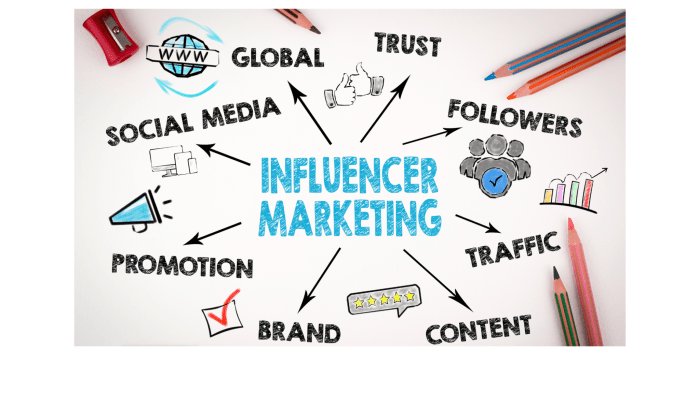
Influencer marketing campaigns involve collaborating with individuals who have a strong influence over a specific audience. These influencers have the power to affect purchase decisions and can help brands reach their target market authentically through sponsored content, product placements, or endorsements on social media platforms.
Examples of Successful Influencer Marketing Campaigns
- The Coca-Cola x Selena Gomez Campaign: Coca-Cola partnered with Selena Gomez, a popular singer and actress, to promote their “Share a Coke” campaign. Selena shared personalized Coke bottles on her social media, creating a buzz and increasing brand visibility.
- Daniel Wellington x Influencers: Daniel Wellington, a watch company, collaborated with numerous fashion influencers to showcase their watches on Instagram. The influencers posted high-quality images wearing the watches, leading to a surge in sales and brand awareness.
- FitTea x Influencers: FitTea collaborated with fitness influencers and celebrities to promote their detox tea products. Through sponsored posts and endorsements, the influencers shared their positive experiences with the products, driving sales and brand credibility.
Benefits of Using Influencers in Marketing Campaigns
- Authenticity: Influencers can promote products in a genuine and relatable way, resonating with their followers and building trust with the audience.
- Increased Reach: Partnering with influencers allows brands to reach a wider audience beyond their usual scope, tapping into the influencer’s follower base.
- Engagement: Influencer marketing campaigns often result in higher engagement rates as followers are more likely to interact with content from someone they trust and admire.
- Targeted Marketing: Influencers can help brands target specific demographics or niche markets effectively, ensuring that the message reaches the right audience.
Components of Influencer Marketing Campaigns
Influencer marketing campaigns involve various key components that contribute to their success. From selecting the right influencers to setting clear goals and objectives, each aspect plays a crucial role in achieving desired results.
Identifying the Right Influencers
When selecting influencers for a campaign, it is essential to consider factors such as their audience demographics, engagement rates, content authenticity, and brand alignment. Collaborating with influencers whose values align with the brand’s identity can help build credibility and trust among their followers.
- Look for influencers whose followers match the target audience for the campaign.
- Evaluate the influencer’s engagement rates and authenticity of their content.
- Ensure that the influencer’s values and persona align with the brand’s image and messaging.
- Consider the influencer’s reach and impact within the niche or industry relevant to the campaign.
Setting Clear Goals and Objectives
Establishing clear goals and objectives is crucial for measuring the success of an influencer marketing campaign. By defining specific KPIs and outcomes, brands can track the performance of the campaign and optimize strategies for better results.
- Define specific goals such as increasing brand awareness, driving website traffic, or boosting sales.
- Set measurable objectives that align with the overall marketing strategy and campaign theme.
- Establish key performance indicators (KPIs) to track the progress and effectiveness of the campaign.
- Regularly monitor and analyze the campaign metrics to make data-driven decisions and adjustments as needed.
Measuring Success in Influencer Marketing Campaigns
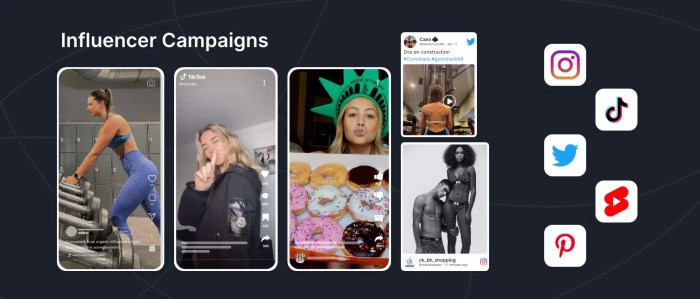
In influencer marketing campaigns, measuring success is crucial to determine the effectiveness of the strategies implemented. Various metrics are used to evaluate the performance of these campaigns, providing valuable insights for future planning and decision-making.
Metrics Used to Measure Success
- Engagement Rate: This metric measures the level of interaction and involvement generated by the influencer’s content. It includes likes, comments, shares, and overall engagement with the target audience.
- Reach and Impressions: These metrics assess the number of people exposed to the influencer’s content, indicating the campaign’s potential impact and visibility.
- Conversion Rate: Conversion rate measures the percentage of individuals who took a desired action after being influenced by the campaign. This could include making a purchase, signing up for a newsletter, or downloading an app.
- Brand Sentiment: Monitoring brand sentiment helps in understanding how the influencer’s content has shaped the perception of the brand among consumers, whether positive, negative, or neutral.
Tools and Methods for Tracking ROI
- Unique Tracking Links: Providing influencers with unique URLs helps in tracking the traffic and conversions generated by their content specifically.
- Affiliate Marketing Platforms: Utilizing affiliate marketing platforms enables brands to track sales and conversions directly attributed to the influencer’s efforts.
- Social Media Analytics: Platforms like Instagram Insights, YouTube Analytics, and Facebook Insights provide detailed data on reach, engagement, and audience demographics.
- Google Analytics: Integrating Google Analytics with influencer campaigns helps in tracking website traffic, goal completions, and overall ROI.
Role of Engagement Rates and Follower Growth
- Engagement Rates: Higher engagement rates indicate a more active and interested audience, showing that the content resonates well with the target demographic. It also signifies a stronger connection between the influencer and their followers.
- Follower Growth: While follower count is important, sustainable follower growth over time indicates the influencer’s ability to maintain and expand their audience. It also reflects the effectiveness of the content in attracting new followers.
Influencer Marketing in the Context of Digital Marketing
In today’s digital landscape, influencer marketing has become a crucial component of overall digital marketing strategies. By leveraging the power of influencers, brands can reach a wider audience, build credibility, and drive engagement like never before.
Integration with Social Media
Social media platforms play a significant role in influencer marketing campaigns. Influencers often have a strong presence on platforms like Instagram, YouTube, and TikTok, where they can create authentic content that resonates with their followers. Brands can collaborate with influencers to create sponsored posts, stories, or videos that seamlessly integrate with their social media marketing efforts.
Integration with Content Marketing
Influencer marketing can also enhance content marketing initiatives by providing high-quality, engaging content created by influencers. Collaborating with influencers to develop blog posts, videos, or other forms of content can help brands connect with their target audience in a more meaningful way. This content can then be repurposed across various digital channels to maximize its reach and impact.
Integration with
Influencer marketing can positively impact efforts by generating quality backlinks and increasing brand visibility online. When influencers mention or link back to a brand’s website in their content, it can improve the brand’s search engine rankings and drive organic traffic. Collaborating with influencers who have a strong online presence can help brands improve their performance and reach a broader audience.Overall, integrating influencer marketing with social media, content marketing, and strategies can amplify a brand’s digital marketing efforts and deliver tangible results.
By leveraging the influence and creativity of content creators, brands can create authentic connections with consumers and drive engagement in a competitive digital landscape.
In conclusion, influencer marketing campaigns offer a unique opportunity for brands to engage with consumers authentically and drive results. By understanding the components and metrics of a successful campaign, businesses can maximize the impact of their influencer partnerships.
Helpful Answers
How can I measure the success of an influencer marketing campaign?
Success can be measured through metrics like engagement rates, follower growth, and ROI tracking tools.
What are the benefits of using influencers in marketing campaigns?
Influencers can help reach a larger audience, build credibility, and create authentic connections with consumers.