Interactive Content Marketing A Comprehensive Guide

Interactive incredible

In today’s digital landscape, capturing and maintaining audience attention is paramount. Interactive content marketing offers a powerful solution, moving beyond passive consumption to foster genuine engagement. By transforming one-way communication into a dynamic two-way exchange, businesses can cultivate stronger relationships with their target audiences and achieve measurable results.

This guide delves into the core principles of interactive content marketing, exploring diverse formats, strategic implementation, and effective measurement techniques. We’ll examine how interactive elements can enhance various digital marketing strategies, from email campaigns to social media engagement, ultimately driving conversions and boosting brand loyalty. Through practical examples and case studies, we aim to equip you with the knowledge and tools to successfully leverage the power of interactive content.

Defining Interactive Content Marketing

Interactive content marketing is a strategic approach that leverages engaging content formats to foster audience participation and build stronger relationships. Unlike traditional content marketing, which primarily focuses on one-way communication (like blog posts or static infographics), interactive content actively involves the audience, encouraging them to interact, explore, and share. This active engagement leads to deeper understanding, improved brand recall, and ultimately, higher conversion rates.Interactive content marketing relies on several core principles.

Firstly, it prioritizes user experience, ensuring that the interactive element is intuitive, enjoyable, and relevant to the audience’s interests. Secondly, it emphasizes personalization, tailoring the experience to individual preferences and behaviors whenever possible. Finally, it focuses on data collection and analysis, using interaction data to gain valuable insights into audience preferences and optimize future campaigns. This data-driven approach allows for continuous improvement and refinement of the marketing strategy.

Interactive Content Formats

Interactive content comes in many forms, each designed to engage users in different ways. The choice of format depends heavily on the marketing goals and the target audience. A well-chosen format significantly enhances the effectiveness of the campaign.

Content Type Description Example Use Case Benefits
Quizzes Fun, engaging assessments that provide personalized results based on user responses. A skincare company uses a quiz to determine a user’s skin type and recommend suitable products. High engagement, lead generation, personalized recommendations.
Polls Simple surveys that gather audience opinions on specific topics. A food brand uses a poll to gauge customer preference between two new flavor options. Quick data collection, understanding audience preferences, social sharing.
Calculators Tools that allow users to perform calculations related to a specific product or service. A mortgage company uses a calculator to estimate monthly payments based on loan amount, interest rate, and loan term. Provides valuable information, simplifies complex processes, lead generation.
Interactive Infographics Visually appealing data presentations that allow users to explore data points through interactive elements like clickable charts and graphs. A travel agency uses an interactive infographic to showcase popular destinations, allowing users to filter by budget, travel style, and interests. Improved data understanding, enhanced engagement, visually appealing content.
Interactive Videos Videos that include clickable elements, allowing viewers to choose their own path or access additional information. An educational institution uses an interactive video to guide prospective students through the application process. Increased viewer engagement, personalized learning experience, improved knowledge retention.

Benefits of Interactive Content in Digital Marketing

Integrating interactive content into a digital marketing strategy offers numerous advantages. These benefits extend across various marketing objectives, from lead generation to brand building.Interactive content significantly boosts audience engagement by encouraging active participation. This heightened engagement leads to increased brand awareness and recall, solidifying the brand’s presence in the minds of consumers. Furthermore, interactive content allows for more effective lead generation, capturing valuable contact information through forms embedded within interactive experiences.

Finally, the data gathered from user interactions provides crucial insights into audience behavior and preferences, enabling marketers to refine their strategies and optimize future campaigns for maximum impact. This data-driven approach is fundamental to successful modern marketing.

Types of Interactive Content

Interactive content is crucial for modern marketing strategies, offering a dynamic and engaging alternative to passive content formats. By actively involving the audience, interactive content fosters deeper connections, improves understanding, and ultimately drives better results. This section will explore several key types, highlighting their strengths and weaknesses.

Quizzes and Polls

Quizzes and polls are excellent tools for quick engagement and lead generation. They’re relatively easy to create and can be deployed across various platforms. A well-designed quiz can capture user data (email addresses) in exchange for results, building an email list. Polls, on the other hand, are ideal for gauging audience opinion and preferences, providing valuable market research insights.

However, the effectiveness of quizzes and polls depends heavily on the quality of questions and the overall design; poorly crafted ones can lead to low completion rates and limited value. The cost is generally low, especially with readily available platforms.

Calculators and Assessments

These tools offer a more in-depth, personalized experience. Calculators can help users determine the cost of a service, the ROI of a product, or other relevant metrics. Assessments can guide users toward the right product or service based on their individual needs and preferences. This type of interactive content excels at lead nurturing and demonstrating value. The downside is the higher development cost compared to quizzes and polls, requiring more sophisticated programming or specialized software.

A successful example is a mortgage calculator on a financial institution’s website, instantly providing personalized estimations and driving engagement.

Interactive Videos

Interactive videos allow viewers to influence the narrative, making the experience more engaging and personalized. Viewers can choose different paths, leading to various outcomes, creating a sense of control and involvement. This format is highly effective for storytelling and product demonstrations. However, creating interactive videos can be complex and expensive, requiring specialized software and expertise. A clothing brand could use an interactive video where viewers select different outfits and see how they look on a model, enhancing the online shopping experience.

Infographics

While not strictly interactive in the same way as the previous examples, interactive infographics can enhance engagement by incorporating elements such as clickable elements, expandable sections, and embedded videos. This allows for a more dynamic and engaging presentation of data, leading to better comprehension and retention. The cost is relatively low to moderate, depending on the complexity.

Interactive Content Example: A Clothing Brand’s Virtual Try-On

For a clothing brand like “StyleSphere,” we could create a virtual try-on experience using augmented reality (AR) technology. Users would upload a photo of themselves and virtually “try on” different outfits from the StyleSphere collection. This would significantly enhance the online shopping experience, reducing purchase hesitation and boosting conversion rates. The purpose is to increase sales by bridging the gap between online browsing and the in-person shopping experience.

This interactive experience would fall under the category of interactive videos and leverage AR technology, potentially increasing the development cost compared to a simple quiz. The potential return on investment, however, could be substantial, justifying the higher initial outlay.

Creating Engaging Interactive Content

Creating truly engaging interactive content requires a thoughtful blend of compelling design, relevant content, and a clear understanding of your target audience. It’s not just about adding interactive elements; it’s about strategically integrating them to enhance the user experience and achieve specific marketing goals. A successful interactive piece should feel natural and intuitive, seamlessly guiding the user toward a desired outcome.

Several key elements contribute to the overall engagement level. These elements work synergistically to create a cohesive and impactful experience, encouraging users to actively participate and ultimately, convert.

Key Elements of Engaging Interactive Content

Effective interactive content hinges on a few crucial elements. First, the content itself must be valuable and relevant to the target audience. It needs to answer a question, solve a problem, or provide useful information. Secondly, the interactive elements should enhance, not distract from, the core message. Simplicity and intuitive navigation are paramount.

Finally, the overall design should be visually appealing and consistent with the brand’s identity. A poorly designed interactive piece, no matter how clever the concept, will likely fail to engage users.

Effective Calls to Action (CTAs)

The call to action (CTA) is the critical bridge between engagement and conversion. A well-crafted CTA guides the user towards the next step, whether it’s making a purchase, signing up for a newsletter, or downloading a resource. Effective CTAs within interactive content are clear, concise, and visually prominent. They should be strategically placed throughout the experience, rather than just at the end.

Examples of effective CTAs include: “Get Your Free Guide Now,” “Start Your Quiz,” “Download Your Checklist,” “Shop the Collection,” or “Schedule a Consultation.” The language should be action-oriented and benefit-driven, clearly communicating the value proposition to the user.

Step-by-Step Guide for Designing and Developing Interactive Content

Designing and developing interactive content is an iterative process. It requires careful planning and testing to ensure a seamless user experience.

  1. Define Objectives and Target Audience: Clearly define your goals for the interactive content (e.g., lead generation, brand awareness, education). Thoroughly understand your target audience’s needs, preferences, and online behavior.
  2. Choose the Right Interactive Format: Select a format that aligns with your objectives and audience (e.g., quizzes, calculators, polls, interactive infographics, videos). Consider the technical capabilities and resources available.
  3. Develop Compelling Content: Craft high-quality, engaging content that is relevant to your target audience and answers their questions or solves their problems. Keep it concise and easy to understand.
  4. Design for User Experience (UX): Prioritize a clean, intuitive design that is easy to navigate. Ensure the interactive elements are seamlessly integrated and enhance the overall user experience. Consider mobile responsiveness.
  5. Implement Clear CTAs: Incorporate clear, concise, and visually prominent calls to action throughout the interactive experience. Make it easy for users to take the next desired step.
  6. Test and Iterate: Thoroughly test the interactive content on different devices and browsers. Gather user feedback and iterate based on the results to optimize performance and engagement.

Interactive Content and Digital Marketing Strategies

Interactive content marketing, while a powerful tool, is just one piece of the larger digital marketing puzzle. Understanding how it interacts with and complements other strategies is crucial for maximizing its effectiveness. This section explores the relationship between interactive content and other key digital marketing approaches, outlining optimal distribution channels and demonstrating its integration within a comprehensive marketing funnel.

Interactive content marketing differs significantly from other digital marketing strategies in its emphasis on audience engagement and two-way communication. Unlike passive content consumption, interactive content actively involves the audience, leading to deeper engagement and improved data collection. This allows for more targeted and personalized marketing efforts.

Comparison of Interactive Content Marketing with Other Digital Marketing Strategies

The following comparison highlights the key distinctions between interactive content marketing and other prominent digital marketing approaches. Each strategy offers unique benefits, and a blended approach often yields the best results.

  • Interactive Content vs. Email Marketing: Email marketing focuses on broadcasting messages to a large audience. Interactive content, however, enhances email campaigns by adding elements like quizzes, polls, or personalized recommendations within the email itself, leading to increased click-through rates and engagement. Email can be a powerful distribution channel for interactive content, driving traffic to landing pages hosting more complex interactive experiences.
  • Interactive Content vs. Social Media Marketing: Social media thrives on engagement. Interactive content naturally aligns with this, providing shareable and engaging content formats such as polls, contests, and interactive infographics that boost brand visibility and user participation on platforms like Facebook, Instagram, and Twitter. Social media analytics provide valuable insights into audience preferences and content performance.
  • Interactive Content vs. Search Engine Optimization (): focuses on improving website ranking in search engine results. Interactive content, while not directly impacting ranking factors like density, indirectly improves through increased dwell time, reduced bounce rates, and the generation of high-quality backlinks when shared. Long-form interactive content often incorporates relevant s and provides valuable information, improving organic search visibility.

Optimal Channels for Distributing Interactive Content

The success of interactive content hinges heavily on its distribution. Choosing the right channel maximizes reach and engagement. The type of interactive content significantly influences the best distribution strategy.

  • Quizzes and Polls: Social media platforms (Facebook, Instagram, Twitter), email marketing, embedded on websites.
  • Calculators and Assessments: Company websites, landing pages, email marketing.
  • Interactive Infographics: Social media, blogs, email newsletters, websites.
  • Interactive Videos: Social media, YouTube, company websites, embedded in email.
  • Virtual Events and Webinars: Dedicated landing pages, email marketing, social media promotion.

Integrating Interactive Content into a Digital Marketing Funnel

Interactive content can be strategically integrated throughout the entire digital marketing funnel, from awareness to conversion. This approach enhances user experience and drives conversions more effectively.

For example, a company launching a new product might use social media polls to gauge customer interest (awareness stage). Then, they could use a quiz on their website to help customers determine which product version best suits their needs (consideration stage). Finally, a calculator estimating potential savings could be used on a landing page to encourage purchases (decision stage).

Post-purchase, interactive surveys can collect feedback and foster customer loyalty (retention stage).

Measuring the Success of Interactive Content

Measuring the effectiveness of your interactive content is crucial for optimizing future campaigns and maximizing your return on investment (ROI). By tracking key metrics and analyzing the data, you can gain valuable insights into what resonates with your audience and refine your strategy accordingly. This allows for continuous improvement and ensures your interactive content remains engaging and effective.

Key Metrics for Evaluating Interactive Content Effectiveness

Several key metrics provide a comprehensive view of your interactive content’s performance. These metrics help you understand not only engagement but also how well the content achieves its intended goals, whether that’s lead generation, brand awareness, or driving sales. Analyzing these metrics together paints a complete picture.

Metric Description How to Measure Interpretation
Engagement Rate Measures the level of interaction with your content. Track clicks, time spent, shares, comments, and downloads. Use analytics tools provided by the interactive content platform (e.g., Google Analytics, native platform analytics). High engagement suggests compelling content. Low engagement may indicate a need for content revisions or targeted audience adjustments.
Conversion Rate Indicates the percentage of engaged users who complete a desired action (e.g., filling out a form, making a purchase). Track the number of conversions divided by the number of engagements. Utilize conversion tracking pixels and form submissions tracking. A high conversion rate signifies effective content in achieving its objective. A low rate suggests potential improvements in the call to action or the overall content flow.
Completion Rate For multi-step interactive content (e.g., quizzes, assessments), this measures the percentage of users who finish the entire piece. Track the number of users who complete all steps divided by the number of users who started. Low completion rates might indicate the content is too long, complex, or uninteresting.
Bounce Rate Measures the percentage of visitors who leave your website after viewing only one page. Use website analytics tools such as Google Analytics. A high bounce rate suggests the content may not be relevant or engaging to your target audience, or the landing page experience could be improved.
Lead Generation Rate Measures the success of interactive content in capturing leads. Track the number of leads generated divided by the number of total interactions. This metric directly assesses the effectiveness of your content in achieving marketing goals.
Social Media Shares Measures how often users share your content on social media platforms. Track shares directly through social media analytics or using social media listening tools. High shares indicate highly shareable and engaging content.

Tracking and Analyzing Data to Optimize Future Campaigns

After gathering data from the metrics above, analyze the results to understand what worked and what didn’t. For example, if a particular quiz has a high completion rate but a low conversion rate, you might need to improve the call to action or the offer presented after completion. If a blog post with an embedded interactive infographic has a high bounce rate, you may need to improve the visual appeal or the overall content flow.

A/B testing different versions of your interactive content is a powerful way to identify optimal approaches. Continuously analyzing and adapting your strategy based on data is key to long-term success. Regularly review your analytics dashboards to identify trends and opportunities for improvement.

Case Studies of Successful Interactive Content
Avada pros cons

Interactive content marketing has proven its effectiveness across various industries. Analyzing successful campaigns reveals valuable insights into effective strategies, content formats, and measurable results. Examining these case studies allows for a deeper understanding of what constitutes a successful interactive campaign and how these successes can be replicated.

Netflix’s “Choose Your Own Adventure” Style Interactive Content

Netflix, a leader in the streaming industry, utilized an interactive “Choose Your Own Adventure” style format for several projects, most notably with the “Black Mirror: Bandersnatch” episode. This interactive film allowed viewers to make choices that directly impacted the narrative’s progression, creating a personalized viewing experience. The target audience was existing Netflix subscribers, primarily young adults and adults interested in science fiction and interactive media.

The results were significant, generating considerable buzz on social media, driving increased engagement with the platform, and bolstering Netflix’s brand image as innovative and forward-thinking. The campaign’s success can be attributed to its unique format, its alignment with the target audience’s preferences for personalized and engaging content, and the effective use of social media for promotion and discussion.

National Geographic’s Interactive Infographics on Climate Change

National Geographic, known for its visually stunning and informative content, created interactive infographics to educate the public about climate change. These infographics utilized data visualization techniques to present complex information in an accessible and engaging manner. The target audience was a broad demographic, including students, environmental activists, and anyone interested in learning more about climate change. The results included increased website traffic, higher social media engagement, and demonstrably increased awareness of climate change issues among the target demographic.

The success stemmed from the use of compelling visuals, the clear and concise presentation of complex data, and the platform’s inherent authority on environmental issues. The interactive elements allowed for exploration and deeper understanding, significantly increasing knowledge retention compared to static infographics.

The New York Times’ Interactive Timeline of the 2016 US Presidential Election

The New York Times, a prominent news organization, created an interactive timeline detailing the events of the 2016 US Presidential Election. This timeline used a chronological format, incorporating images, videos, and news articles to provide a comprehensive overview of the election. The target audience was news consumers interested in politics and current events, particularly those seeking a detailed and easily digestible understanding of the election’s complexities.

The results demonstrated a significant increase in website traffic and engagement, as users spent considerable time exploring the timeline’s rich content. The success was driven by the publication’s established credibility, the comprehensive nature of the content, and the ease with which users could navigate and understand the complex timeline of events. The interactive elements allowed for focused exploration of specific periods or events, improving the user experience and knowledge retention.

Comparative Analysis of Success Factors

All three case studies demonstrate the importance of aligning interactive content with the target audience’s interests and preferences. Each campaign also utilized a format that was well-suited to the subject matter and the platform used for distribution. Furthermore, all three leveraged the inherent strengths of their respective brands to enhance credibility and engagement. A common thread is the effective use of data visualization and interactive elements to improve user engagement and knowledge retention, resulting in increased brand awareness and positive brand perception.

The campaigns highlight the need for a clear understanding of the target audience, a well-defined objective, and the selection of an appropriate interactive format.

The Future of Interactive Content Marketing

Interactive incredible

Interactive content marketing is rapidly evolving, driven by technological advancements and shifting consumer expectations. The future promises even more immersive and personalized experiences, blurring the lines between entertainment and marketing. This evolution will necessitate a deeper understanding of emerging trends and a proactive adaptation to the changing landscape.

The integration of emerging technologies is fundamentally reshaping how brands connect with their audiences. No longer is static content sufficient; instead, interactive experiences are becoming the norm, demanding a more sophisticated approach to content creation and strategy.

Artificial Intelligence and Machine Learning in Interactive Content

AI and ML are poised to revolutionize interactive content creation and distribution. AI-powered tools can automate tasks like content generation, personalization, and A/B testing, freeing marketers to focus on strategy and creative direction. For example, AI can analyze user data to predict preferences and tailor interactive experiences accordingly, resulting in higher engagement rates. Machine learning algorithms can optimize content delivery, ensuring that the right content reaches the right audience at the right time.

This level of personalization is crucial for maximizing impact and achieving marketing objectives. Furthermore, AI can assist in creating more sophisticated interactive elements, such as personalized quizzes or interactive narratives that adapt dynamically based on user input.

Emerging Trends Shaping Interactive Content

Several key trends are shaping the future of interactive content. Augmented reality (AR) and virtual reality (VR) are creating incredibly immersive experiences that go beyond traditional screens. Imagine a furniture company allowing customers to virtually place furniture in their homes using AR, or a travel agency offering immersive VR tours of exotic destinations. These technologies offer unprecedented opportunities for brands to engage consumers in meaningful and memorable ways.

Another trend is the increasing use of voice-activated interfaces, which will require brands to adapt their interactive content to accommodate voice search and voice-controlled interactions. Finally, the metaverse presents a new frontier for interactive content, offering opportunities for brands to create unique and engaging experiences within virtual worlds. Early adopters are already experimenting with virtual events, interactive games, and brand experiences within these immersive environments.

Challenges and Opportunities in Interactive Content Marketing

The future of interactive content presents both challenges and opportunities. One major challenge is the need for marketers to develop new skills and expertise to create and manage sophisticated interactive experiences. This includes a deeper understanding of AI, data analytics, and emerging technologies. Another challenge is the need to balance personalization with user privacy concerns. Brands must ensure they are using user data responsibly and ethically.

However, the opportunities are significant. Interactive content can foster deeper customer engagement, build stronger brand loyalty, and generate valuable insights into consumer behavior. The ability to create personalized and immersive experiences will be a key differentiator for brands in the future. Companies that embrace these trends and adapt their strategies will be well-positioned to thrive in the evolving landscape of interactive content marketing.

Interactive Content and Digital Marketing

Interactive content significantly boosts the effectiveness of digital marketing strategies by fostering deeper engagement and stronger audience connections than traditional, passive content. This heightened engagement translates into improved brand recall, lead generation, and ultimately, higher conversion rates. By actively involving the audience, interactive content moves beyond simply delivering information to creating a memorable experience that drives desired actions.Interactive content serves as a powerful catalyst for enhancing various digital marketing efforts.

It provides a dynamic and engaging alternative to static content, capturing attention in a world saturated with information. This heightened engagement translates into more effective lead generation and improved conversion rates.

Interactive Content’s Role in Building Brand Awareness

Interactive content, by its very nature, encourages audience participation and sharing. Quizzes, polls, and interactive infographics, for example, can go viral, extending brand reach far beyond traditional marketing channels. The engaging nature of these formats creates a positive brand association, reinforcing brand identity and increasing overall awareness. Furthermore, interactive content often provides opportunities for user-generated content, further amplifying brand visibility and building a stronger community around the brand.

Interactive Content for Lead Generation

Interactive content offers a compelling way to attract and qualify leads. Forms embedded within interactive experiences, such as calculators or assessments, seamlessly capture contact information while providing valuable information to the user. This approach makes lead generation less intrusive and more rewarding for both the brand and the potential customer. Furthermore, the data collected from interactive content can be used to segment audiences, enabling more targeted and effective marketing campaigns.

Interactive Content and Driving Conversions

Interactive content can directly influence conversion rates by guiding users toward desired actions. For instance, an interactive product demo can showcase a product’s features and benefits in an engaging way, leading to increased sales. Similarly, interactive calculators or comparison tools can simplify complex decisions, guiding users toward a purchase or other desired conversion. By creating a more engaging and personalized experience, interactive content significantly increases the likelihood of conversions.

Synergy Between Interactive Content and Other Digital Marketing Activities

The following visual representation illustrates the synergistic relationship between interactive content and other digital marketing activities:

Imagine a central hub labeled “Interactive Content” (e.g., a quiz, a calculator, an interactive infographic). From this hub, several arrows extend to other digital marketing activities. One arrow points to “Social Media Marketing,” indicating that the interactive content is shared across social media platforms, expanding its reach. Another arrow points to “Email Marketing,” suggesting that the interactive content is incorporated into email campaigns to boost engagement.

A third arrow connects to “Search Engine Optimization (),” highlighting that the interactive content is optimized for search engines, driving organic traffic. A fourth arrow leads to “Paid Advertising,” demonstrating that the interactive content is used in paid advertising campaigns to increase click-through rates and conversions. Finally, an arrow connects to “Website Analytics,” showing that data from the interactive content is used to track performance and optimize future campaigns.

The arrows all point back to the central “Interactive Content” hub, emphasizing the central role it plays in enhancing the effectiveness of other marketing activities.

Interactive content marketing represents a significant shift in how businesses connect with their audience. By embracing engaging formats and data-driven optimization, organizations can cultivate meaningful relationships, generate high-quality leads, and ultimately achieve their marketing objectives. The key lies in understanding your audience, selecting the right format, and consistently measuring and refining your approach. The future of marketing is interactive, and this guide provides a roadmap to navigate its exciting possibilities.

Question Bank

What is the cost of creating interactive content?

The cost varies greatly depending on the complexity of the content, the chosen format, and whether you outsource the creation or build it in-house. Simple quizzes might be inexpensive, while complex interactive simulations could require significant investment.

How do I choose the right interactive content format for my business?

Consider your marketing goals, target audience, and available resources. Align the format with your objectives: quizzes for lead generation, calculators for providing value, polls for gathering feedback.

What are some common mistakes to avoid when creating interactive content?

Avoid overly complex designs, poor user experience, irrelevant questions, and a lack of clear calls to action. Always test and iterate based on user feedback.

How can I measure the ROI of interactive content?

Track key metrics such as engagement rates, lead generation, conversion rates, and brand awareness. Compare the performance of interactive content campaigns to traditional marketing efforts to assess ROI.
How to Create a Digital Marketing Plan

Marketing digital plan strategy growth customer create channels company experience services

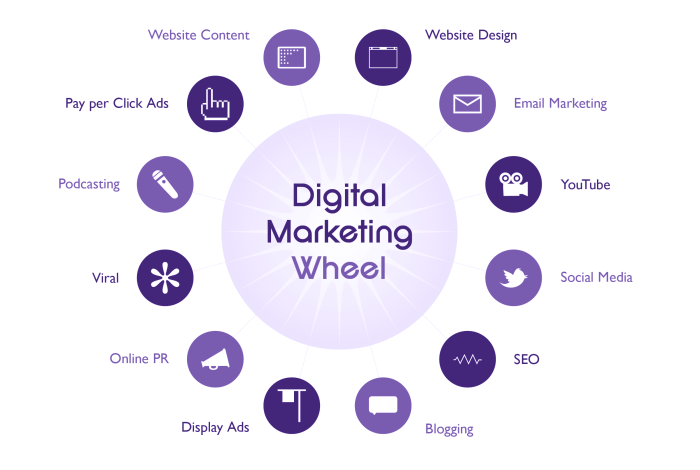
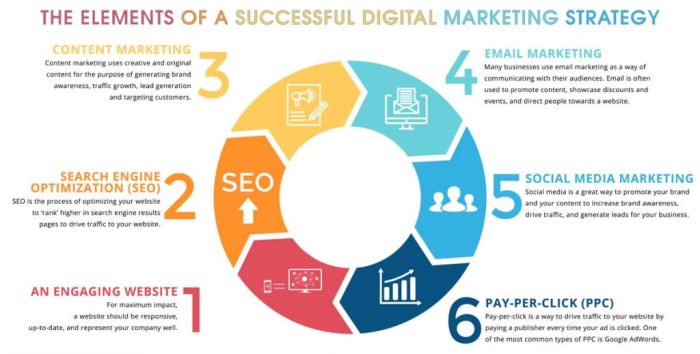
Crafting a successful digital marketing plan is crucial for any business aiming to thrive in today’s competitive online landscape. It’s more than just posting on social media; it’s a strategic roadmap guiding your brand’s journey towards achieving specific, measurable goals. This guide will walk you through the essential steps, from defining your target audience to tracking your return on investment (ROI), equipping you with the knowledge to build a robust and effective plan.

We’ll explore how to conduct thorough market research, set SMART goals, select the right digital channels, develop a compelling content strategy, allocate your budget wisely, and monitor your progress using key performance indicators (KPIs). By the end, you’ll have a clear understanding of how to create a digital marketing plan that aligns with your business objectives and drives tangible results.

Defining Your Target Audience

Understanding your target audience is paramount to a successful digital marketing strategy. Without a clear picture of who you’re trying to reach, your marketing efforts will be scattered and ineffective, leading to wasted resources and poor ROI. Defining your target audience involves more than just basic demographics; it requires a deep dive into their lifestyle, values, and online behavior.

Three Distinct Audience Personas for Handmade Jewelry

Creating detailed buyer personas helps visualize your ideal customer. For a hypothetical e-commerce business selling handmade jewelry, let’s develop three distinct personas:

Demographic Psychographic Online Behavior Marketing Implications
Sarah, 28, Millennial, Marketing Manager, Urban, $60,000 annual income Trendy, values sustainability and ethical sourcing, appreciates unique and eye-catching designs, enjoys self-expression, active on social media. Uses Instagram and Pinterest extensively for visual inspiration, shops online frequently, follows fashion influencers, engages with brand stories and user-generated content. Target with visually appealing Instagram and Pinterest ads, showcase ethical sourcing and sustainable practices, partner with fashion influencers, utilize user-generated content campaigns.
Maria, 45, Gen X, Teacher, Suburban, $75,000 annual income Appreciates quality craftsmanship and timeless designs, seeks durable and versatile pieces, values personal connections and customer service, less active on social media. Reads online reviews before purchasing, prefers detailed product descriptions and high-quality images, values email marketing and personalized communication. Focus on high-quality product photography and detailed descriptions, build trust through excellent customer service, utilize email marketing for targeted promotions and updates.
Emily, 62, Baby Boomer, Retired, Rural, $40,000 annual income Appreciates classic and elegant designs, values personal style and individuality, enjoys supporting local artisans, less comfortable with technology. May use online search engines to find local artisans, prefers clear and simple website navigation, responds well to traditional marketing methods like direct mail. Optimize website for user-friendliness, consider a simplified website design, explore targeted advertising on search engines, consider incorporating direct mail marketing.

Conducting Thorough Market Research

Effective market research involves a multi-faceted approach. This includes analyzing competitor offerings, studying industry trends, and gathering data on your target audience through surveys, focus groups, and social media listening. Analyzing website analytics from similar businesses can also provide valuable insights into customer behavior and preferences. For instance, analyzing bounce rates and time spent on specific pages can highlight areas for improvement in website design and content.

Organizing Findings into a Table

The table above demonstrates how to organize the findings from market research into a concise and actionable format. Each persona highlights key demographics, psychographics, online behaviors, and resulting marketing implications. This allows for targeted and effective marketing strategies.

Setting SMART Goals and Objectives

Reno

Crafting effective SMART goals and objectives is crucial for a successful digital marketing plan. These goals provide a roadmap, guiding your efforts and allowing you to measure progress towards your overall business objectives. Without well-defined goals, your marketing activities risk becoming unfocused and ultimately ineffective.

SMART stands for Specific, Measurable, Achievable, Relevant, and Time-bound. Each element is essential for creating goals that are both ambitious and attainable. By adhering to the SMART framework, you ensure that your marketing strategies are aligned with your business needs and that progress can be tracked and analyzed effectively.

SMART Goals for Increasing Brand Awareness

The following three SMART goals illustrate how to apply the SMART framework to increase brand awareness for a new mobile app. These goals are designed to be challenging yet achievable, ensuring that marketing efforts are focused and impactful.

  1. Increase app downloads by 20% within the first three months of launch. This goal is specific, measurable (using download numbers), achievable (assuming a realistic marketing budget and strategy), relevant (directly tied to app success), and time-bound (three months).
  2. Achieve a 4.5-star average rating on the app store within six months of launch. This goal is specific (target rating), measurable (using app store ratings), achievable (through user engagement and addressing feedback), relevant (high ratings build trust and attract new users), and time-bound (six months).
  3. Generate 5,000 social media engagements (likes, shares, comments) across all platforms within the first two months of launch. This goal is specific (type and number of engagements), measurable (using social media analytics), achievable (through targeted social media campaigns), relevant (indicates growing brand awareness and user interest), and time-bound (two months).

Measurable Objectives Supporting SMART Goals

To achieve the above SMART goals, we need measurable objectives with key performance indicators (KPIs). These objectives break down the goals into actionable steps and provide specific metrics for tracking progress.

SMART Goal Objective KPI
Increase app downloads by 20% within three months Implement a targeted social media advertising campaign Click-through rate (CTR) on ads, cost per install (CPI), conversion rate
Achieve a 4.5-star average rating within six months Proactively respond to user reviews and feedback Number of reviews responded to, average response time, change in app store rating
Generate 5,000 social media engagements within two months Run engaging social media contests and giveaways Number of engagements (likes, shares, comments), reach, engagement rate

Alignment with Overall Business Strategy

These SMART goals and objectives directly support the overall business strategy by focusing on key aspects of app success: user acquisition, user satisfaction, and brand building. Increased downloads contribute to revenue generation, while high ratings and social media engagement enhance brand reputation and attract new users organically. By achieving these goals, the app will establish a strong market presence and achieve sustainable growth.

For example, a successful social media campaign could not only increase downloads but also lead to valuable user feedback, improving future app development and user experience. Similarly, high app store ratings create a positive feedback loop, attracting more users and further enhancing the app’s reputation. All of this contributes to the overall business goal of establishing a successful and profitable mobile application.

Choosing the Right Digital Marketing Channels

Selecting the appropriate digital marketing channels is crucial for a B2B SaaS company to reach its target audience effectively and achieve its business goals. The effectiveness of each channel varies significantly depending on factors such as budget, target audience demographics, and the specific goals of the marketing campaign. This section will analyze three key channels – social media marketing, email marketing, and search engine optimization () – comparing their strengths and weaknesses in the context of a B2B SaaS business.

Social Media Marketing for B2B SaaS

Social media platforms offer a powerful way to engage with potential customers, build brand awareness, and generate leads. For B2B SaaS, platforms like LinkedIn, Twitter, and even targeted Facebook groups can be highly effective. However, organic reach on social media is often limited, requiring paid advertising to achieve significant scale.

  • Pros: Targeted advertising allows precise audience selection; high engagement potential through interactive content; opportunity to build brand authority and thought leadership through insightful posts and participation in relevant discussions; relatively quick results when paired with paid campaigns.
  • Cons: Organic reach can be challenging; requires ongoing content creation and community management; can be expensive, especially for large-scale campaigns; measuring ROI can be complex.

Email Marketing for B2B SaaS

Email marketing remains a highly effective channel for nurturing leads and driving conversions. It allows for personalized communication, targeted messaging, and the ability to track key metrics such as open rates and click-through rates.

  • Pros: High conversion rates compared to other channels; allows for personalized messaging and segmentation; cost-effective compared to paid social media advertising; excellent for nurturing leads through automated email sequences; provides detailed analytics to track performance.
  • Cons: Requires a robust email list; can be impacted by spam filters; requires consistent content creation and email list maintenance; high unsubscribe rates if not managed properly; deliverability issues may arise.

Search Engine Optimization () for B2B SaaS

focuses on improving a website’s ranking in search engine results pages (SERPs) for relevant s. For B2B SaaS companies, strong can drive significant organic traffic to their website, leading to increased brand awareness, lead generation, and ultimately, sales.

  • Pros: Drives high-quality, organic traffic; builds long-term brand authority; cost-effective in the long run compared to paid advertising; increases website visibility; targets users actively searching for solutions.
  • Cons: Requires significant time and effort; results are not immediate; can be complex and require specialized knowledge; algorithm updates can impact rankings; competition for top rankings can be fierce.

Multi-Channel Marketing Strategy for B2B SaaS

A successful B2B SaaS marketing strategy should leverage the strengths of all three channels. For example, a company could use to drive organic traffic to its website, then use email marketing to nurture leads captured through website forms or content downloads. Simultaneously, targeted social media advertising could be used to reach a wider audience and drive traffic to specific landing pages.

This integrated approach maximizes reach, engagement, and ultimately, return on investment. A well-defined buyer persona will significantly improve the targeting and effectiveness of each channel, resulting in higher conversion rates and a stronger ROI. For instance, a company selling project management software might focus its LinkedIn advertising on project managers and team leads, while using email marketing to nurture leads who have downloaded a whitepaper on project management best practices.

Developing Your Content Strategy

A well-defined content strategy is crucial for attracting your target audience and driving sales in your handmade jewelry e-commerce business. It involves creating valuable, engaging content that resonates with your ideal customer and positions your brand as an authority in the market. This strategy should align perfectly with your overall digital marketing plan, reinforcing your brand message and guiding customers through the sales funnel.

Blog Post Ideas for a Handmade Jewelry E-commerce Business

Creating high-quality blog content is essential for attracting organic traffic and building brand loyalty. The following blog post ideas are designed to engage your target audience and showcase your expertise in handmade jewelry.

  • Headline: “Unlocking the Secret to Choosing the Perfect Handmade Jewelry for Every Occasion”
    Description: This blog post will guide readers through selecting handmade jewelry for various occasions, offering style advice and highlighting the versatility of your pieces. It will include examples of jewelry suitable for weddings, birthdays, anniversaries, and everyday wear. The post will also emphasize the unique stories and craftsmanship behind your jewelry.

  • Headline: “Caring for Your Treasured Handmade Jewelry: A Comprehensive Guide”
    Description: This blog post focuses on providing practical advice on how to properly care for and maintain handmade jewelry. It will cover topics such as cleaning techniques, storage solutions, and identifying potential damage. The post will aim to extend the lifespan of the jewelry, building customer trust and loyalty.

  • Headline: “The Art and Soul Behind Handmade Jewelry: An Interview with [Your Name/Artisan]”
    Description: This blog post features an interview with the artisan(s) behind the jewelry brand. It provides insight into the creative process, inspiration, and materials used. This humanizes the brand, connecting with customers on an emotional level and showcasing the unique craftsmanship involved.

Visual Content for Each Blog Post

Visuals are key to enhancing the reader’s experience and making your content more shareable. The right visuals can significantly improve engagement and conversion rates.

  • “Unlocking the Secret to Choosing the Perfect Handmade Jewelry for Every Occasion”: This post would benefit from high-quality product photography showcasing the jewelry in various settings and on different models. Lifestyle images depicting people wearing the jewelry in real-life scenarios would also be effective. Consider using close-up shots highlighting intricate details and textures. Infographics could visually represent different occasions and suggest suitable jewelry styles. For example, an infographic could depict different jewelry pieces categorized by occasion, each image linked to a specific product page.

  • “Caring for Your Treasured Handmade Jewelry: A Comprehensive Guide”: This post would benefit from a mix of illustrations and short videos. Illustrations could depict proper cleaning techniques, storage methods, and how to identify common problems. Short, easily digestible videos demonstrating cleaning techniques would be very effective. Consider using animated graphics to highlight key steps in jewelry care.
  • “The Art and Soul Behind Handmade Jewelry: An Interview with [Your Name/Artisan]”: This post would feature high-quality photos of the artisan in their workspace, showcasing their tools and materials. A short video interview with the artisan would be highly engaging, allowing them to share their passion and creative process directly with the audience. Images of sketches, design mock-ups, and the finished jewelry would provide a comprehensive view of the process.

Content Calendar for the Next Three Months

A well-structured content calendar ensures consistent content creation and publication.

  • Month 1: “Unlocking the Secret to Choosing the Perfect Handmade Jewelry for Every Occasion”
    -Published Week 2.
  • Month 2: “Caring for Your Treasured Handmade Jewelry: A Comprehensive Guide”
    -Published Week
    1. “The Art and Soul Behind Handmade Jewelry: An Interview with [Your Name/Artisan]”
    -Published Week 4.
  • Month 3: Repurpose content from Month 1 and 2 into shorter social media posts and Instagram stories. Plan a new blog post focusing on a seasonal theme or a new collection launch.

Budgeting and Resource Allocation

Creating a realistic budget is crucial for a successful digital marketing campaign. Without a well-defined budget, you risk overspending on ineffective strategies or under-resourcing areas with high potential. This section Artikels how to allocate your marketing budget effectively and track your return on investment (ROI).

Hypothetical Marketing Budget Allocation

Let’s assume we have a $5,000 budget for a new mobile app. This budget needs to be strategically allocated across various digital marketing channels to maximize reach and impact. A sample allocation might look like this:

Marketing Activity Budget Allocation Rationale
Paid Social Media Advertising (Facebook, Instagram) $2,000 Targeted advertising to reach potential users based on demographics and interests. Allows for A/B testing of ad creatives and precise audience targeting.
App Store Optimization (ASO) $500 Improving app store listing (s, description, screenshots) to increase organic downloads. This is a long-term investment with lasting benefits.
Influencer Marketing $1,000 Collaborating with relevant influencers to promote the app to their engaged audience. This leverages existing trust and credibility.
Content Marketing (Blog posts, articles) $500 Creating valuable content related to the app’s functionality and benefits to attract organic traffic and build brand awareness.
Email Marketing $500 Building an email list and sending targeted email campaigns to nurture leads and promote app updates or features.
Analytics & Tracking Tools $500 Investing in tools to monitor campaign performance, track key metrics, and inform future budget allocation decisions.

Tracking Return on Investment (ROI)

Tracking ROI is essential to understand which marketing activities are generating the best results. For each activity, key performance indicators (KPIs) should be defined and monitored. For example:

Marketing Activity KPIs ROI Calculation (Example)
Paid Social Media Advertising Clicks, Impressions, Conversions (app downloads), Cost Per Acquisition (CPA) ROI = (Revenue Generated - Marketing Spend) / Marketing Spend
Example: If $2000 spend generated 1000 downloads at an average revenue of $5 per download, ROI = ($5000 – $2000) / $2000 = 1.5 or 150%
Influencer Marketing App downloads attributed to influencer campaigns, engagement rate, reach Similar ROI calculation as above, but attributing downloads and revenue specifically to the influencer campaign.
ASO App store ranking, organic downloads, conversion rate Measuring the increase in organic downloads and revenue attributable to ASO improvements over time. This is a more long-term ROI calculation.

Optimizing Budget Allocation Based on Performance Data

Regularly reviewing performance data is critical for optimizing budget allocation. If a particular channel isn’t performing well (low ROI), consider reducing its budget and reallocating funds to higher-performing channels. For example, if paid social media advertising is generating a high ROI, increase its budget. Conversely, if influencer marketing shows low conversion, reduce its allocation and invest more in ASO or paid advertising.

This iterative process of analysis and adjustment is key to maximizing your marketing budget’s impact.

Implementing and Monitoring Your Plan

Marketing digital plan strategy growth customer create channels company experience services

Successfully launching your digital marketing plan is only half the battle; consistent monitoring and adaptation are crucial for optimal results. This involves tracking key performance indicators (KPIs) across all your chosen channels and making data-driven adjustments to your strategy as needed. This iterative process ensures your plan remains effective and efficient in achieving your defined goals.

Setting Up Google Analytics

Google Analytics is a powerful free tool that provides comprehensive website traffic data. Setting it up involves creating a Google Analytics account, obtaining a tracking ID, and inserting the tracking code into your website’s HTML. This code allows Google Analytics to track user interactions on your site, providing valuable insights into user behavior. Once installed, you can access detailed reports on various aspects of your website’s performance, including traffic sources, user demographics, and popular pages.

Understanding this data is paramount to optimizing your website’s content and user experience. For example, you can identify which marketing campaigns are driving the most valuable traffic and which pages are leading to conversions. Furthermore, you can segment your audience based on various factors to understand their unique behaviors and preferences.

Key Metrics for Each Digital Marketing Channel

Monitoring relevant metrics is essential to assess the effectiveness of your digital marketing efforts. Each channel offers unique insights. For website analytics, key metrics include website traffic (unique visitors, page views, bounce rate), conversion rates (e.g., purchase rates, sign-ups), and time on site. Social media engagement is measured through metrics such as likes, shares, comments, and follower growth.

Different platforms have varying metrics; for instance, Instagram emphasizes visual engagement (likes, saves), while Twitter focuses on retweets and mentions. Email marketing success is tracked by open rates, click-through rates, and conversion rates from email campaigns. For example, a high open rate but low click-through rate might indicate a subject line issue, prompting a review of your email subject line strategy.

Conversely, a low open rate might suggest problems with your email list segmentation or the overall relevance of your email content.

Analyzing Data and Making Adjustments

Regularly reviewing your data from Google Analytics and other channel-specific analytics platforms is crucial. Compare your actual results against your SMART goals. For example, if your email campaign’s click-through rate is significantly below your target, you might need to adjust your email content, subject lines, or segmentation. If website traffic from a particular social media channel is low, it might indicate a need to refine your social media strategy on that platform.

This iterative process involves continuous analysis, identification of areas for improvement, and implementation of changes to optimize your campaigns. A consistent approach to data analysis ensures your digital marketing plan remains aligned with your business objectives, adapting to evolving trends and user behaviors.

Understanding Digital Marketing

Digital marketing encompasses all marketing efforts that use an electronic device or the internet. Businesses leverage digital channels such as search engines, social media, email, and their websites to connect with current and prospective customers. It’s a dynamic field constantly evolving to meet the changing needs and behaviors of consumers. Understanding its core principles is crucial for effective strategy development.Digital marketing operates on several key principles.

Firstly, it prioritizes a data-driven approach. Success is measured through analytics, providing insights into campaign performance and informing future strategies. Secondly, it emphasizes personalization and targeted messaging, aiming to tailor content and offers to specific audience segments. Thirdly, it focuses on building relationships with customers, fostering loyalty and advocacy through consistent engagement. Finally, it demands adaptability and continuous optimization, responding to changes in algorithms, trends, and consumer preferences.

Core Principles of Digital Marketing

The foundation of successful digital marketing rests on understanding customer behavior, creating compelling content, and leveraging the right channels to reach the target audience effectively. Effective strategies involve a mix of paid, earned, and owned media, creating a holistic approach to marketing. Paid media includes advertising on platforms like Google and social media; earned media refers to organic mentions and reviews; and owned media encompasses the brand’s website and social media profiles.

By skillfully integrating these elements, businesses can maximize their reach and impact.

Key Trends Shaping the Future of Digital Marketing

Several significant trends are reshaping the digital marketing landscape. Firstly, the rise of artificial intelligence (AI) is automating tasks, personalizing experiences, and improving campaign efficiency. For example, AI-powered chatbots provide instant customer support, while predictive analytics help anticipate customer needs. Secondly, the increasing importance of data privacy and security is leading to stricter regulations and a greater focus on ethical data handling practices.

Thirdly, the metaverse and immersive technologies offer new opportunities for brand engagement and interactive experiences. Imagine virtual stores and product demonstrations within a metaverse environment. Fourthly, the continued growth of mobile usage demands mobile-first strategies, optimizing websites and content for mobile devices. Fifthly, the increasing influence of short-form video content, particularly on platforms like TikTok and Instagram Reels, requires businesses to adapt their content strategies accordingly.

Brands are using short, engaging videos to showcase products and build brand awareness.

Ethical Considerations in Digital Marketing

Ethical considerations are paramount in digital marketing. Transparency is crucial; consumers should be aware of how their data is being used. Respecting user privacy and complying with data protection regulations, such as GDPR, is non-negotiable. Furthermore, avoiding deceptive marketing practices, such as misleading advertising or manipulative tactics, is essential for building trust and maintaining a positive brand reputation.

Businesses must ensure their marketing practices are ethical and responsible, upholding the integrity of their brand. This includes being honest about endorsements and sponsorships, avoiding the spread of misinformation, and ensuring accessibility for all users.

Developing a comprehensive digital marketing plan requires careful planning, execution, and ongoing analysis. By following the steps Artikeld in this guide—from defining your target audience and setting SMART goals to monitoring your performance and adapting your strategy—you can create a plan that drives growth and achieves your business objectives. Remember that consistency and adaptation are key to long-term success in the ever-evolving digital world.

Continuously refine your approach based on data and insights to maximize your impact and reach your target audience effectively.

Clarifying Questions

What is the difference between a marketing objective and a marketing goal?

Goals are broad, overarching aims, while objectives are specific, measurable steps to achieve those goals.

How often should I review and update my digital marketing plan?

Regularly, at least monthly, to account for performance data and changing market trends.

What are some free tools I can use to track my digital marketing efforts?

Google Analytics, Google Search Console, and many free social media analytics dashboards.

How can I measure the success of my social media marketing?

Track metrics like engagement (likes, comments, shares), reach, website traffic from social media, and conversions.

What is A/B testing and why is it important?

A/B testing involves comparing two versions of a marketing element (e.g., website headline) to see which performs better. It’s crucial for optimizing campaigns.

Crafting Effective Influencer Marketing Campaigns

Influencer influencers dati rana collaborate gdpr boost onim visualistan arrivo tendenze principali nel consumers daggubati wirst so estrategia marcas publicaciones

As the world of marketing evolves, influencer marketing campaigns have emerged as a powerful tool for brands to connect with their audience. This article delves into the intricacies of influencer marketing, exploring key components and strategies for success.

From selecting the right influencers to measuring campaign success, this guide provides valuable insights for businesses looking to leverage influencers in their marketing efforts.

Influencer Marketing Campaigns

Influencer influence

Influencer marketing campaigns involve collaborating with individuals who have a strong influence over a specific audience. These influencers have the power to affect purchase decisions and can help brands reach their target market authentically through sponsored content, product placements, or endorsements on social media platforms.

Examples of Successful Influencer Marketing Campaigns

  • The Coca-Cola x Selena Gomez Campaign: Coca-Cola partnered with Selena Gomez, a popular singer and actress, to promote their “Share a Coke” campaign. Selena shared personalized Coke bottles on her social media, creating a buzz and increasing brand visibility.
  • Daniel Wellington x Influencers: Daniel Wellington, a watch company, collaborated with numerous fashion influencers to showcase their watches on Instagram. The influencers posted high-quality images wearing the watches, leading to a surge in sales and brand awareness.
  • FitTea x Influencers: FitTea collaborated with fitness influencers and celebrities to promote their detox tea products. Through sponsored posts and endorsements, the influencers shared their positive experiences with the products, driving sales and brand credibility.

Benefits of Using Influencers in Marketing Campaigns

  • Authenticity: Influencers can promote products in a genuine and relatable way, resonating with their followers and building trust with the audience.
  • Increased Reach: Partnering with influencers allows brands to reach a wider audience beyond their usual scope, tapping into the influencer’s follower base.
  • Engagement: Influencer marketing campaigns often result in higher engagement rates as followers are more likely to interact with content from someone they trust and admire.
  • Targeted Marketing: Influencers can help brands target specific demographics or niche markets effectively, ensuring that the message reaches the right audience.

Components of Influencer Marketing Campaigns

Influencer marketing campaigns involve various key components that contribute to their success. From selecting the right influencers to setting clear goals and objectives, each aspect plays a crucial role in achieving desired results.

Identifying the Right Influencers

When selecting influencers for a campaign, it is essential to consider factors such as their audience demographics, engagement rates, content authenticity, and brand alignment. Collaborating with influencers whose values align with the brand’s identity can help build credibility and trust among their followers.

  • Look for influencers whose followers match the target audience for the campaign.
  • Evaluate the influencer’s engagement rates and authenticity of their content.
  • Ensure that the influencer’s values and persona align with the brand’s image and messaging.
  • Consider the influencer’s reach and impact within the niche or industry relevant to the campaign.

Setting Clear Goals and Objectives

Establishing clear goals and objectives is crucial for measuring the success of an influencer marketing campaign. By defining specific KPIs and outcomes, brands can track the performance of the campaign and optimize strategies for better results.

  1. Define specific goals such as increasing brand awareness, driving website traffic, or boosting sales.
  2. Set measurable objectives that align with the overall marketing strategy and campaign theme.
  3. Establish key performance indicators (KPIs) to track the progress and effectiveness of the campaign.
  4. Regularly monitor and analyze the campaign metrics to make data-driven decisions and adjustments as needed.

Measuring Success in Influencer Marketing Campaigns

Influencer influencers dati rana collaborate gdpr boost onim visualistan arrivo tendenze principali nel consumers daggubati wirst so estrategia marcas publicaciones

In influencer marketing campaigns, measuring success is crucial to determine the effectiveness of the strategies implemented. Various metrics are used to evaluate the performance of these campaigns, providing valuable insights for future planning and decision-making.

Metrics Used to Measure Success

  • Engagement Rate: This metric measures the level of interaction and involvement generated by the influencer’s content. It includes likes, comments, shares, and overall engagement with the target audience.
  • Reach and Impressions: These metrics assess the number of people exposed to the influencer’s content, indicating the campaign’s potential impact and visibility.
  • Conversion Rate: Conversion rate measures the percentage of individuals who took a desired action after being influenced by the campaign. This could include making a purchase, signing up for a newsletter, or downloading an app.
  • Brand Sentiment: Monitoring brand sentiment helps in understanding how the influencer’s content has shaped the perception of the brand among consumers, whether positive, negative, or neutral.

Tools and Methods for Tracking ROI

  • Unique Tracking Links: Providing influencers with unique URLs helps in tracking the traffic and conversions generated by their content specifically.
  • Affiliate Marketing Platforms: Utilizing affiliate marketing platforms enables brands to track sales and conversions directly attributed to the influencer’s efforts.
  • Social Media Analytics: Platforms like Instagram Insights, YouTube Analytics, and Facebook Insights provide detailed data on reach, engagement, and audience demographics.
  • Google Analytics: Integrating Google Analytics with influencer campaigns helps in tracking website traffic, goal completions, and overall ROI.

Role of Engagement Rates and Follower Growth

  • Engagement Rates: Higher engagement rates indicate a more active and interested audience, showing that the content resonates well with the target demographic. It also signifies a stronger connection between the influencer and their followers.
  • Follower Growth: While follower count is important, sustainable follower growth over time indicates the influencer’s ability to maintain and expand their audience. It also reflects the effectiveness of the content in attracting new followers.

Influencer Marketing in the Context of Digital Marketing

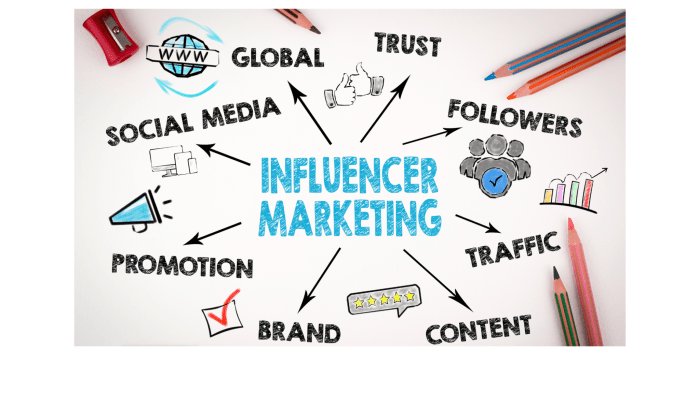
In today’s digital landscape, influencer marketing has become a crucial component of overall digital marketing strategies. By leveraging the power of influencers, brands can reach a wider audience, build credibility, and drive engagement like never before.

Integration with Social Media

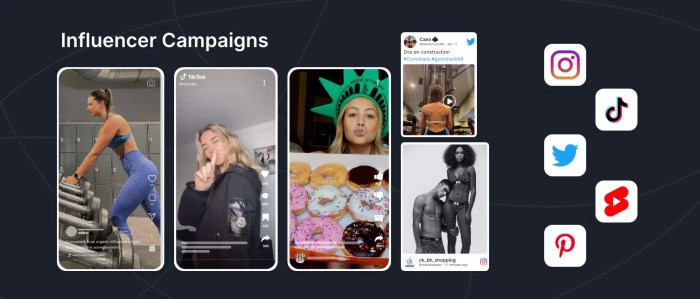
Social media platforms play a significant role in influencer marketing campaigns. Influencers often have a strong presence on platforms like Instagram, YouTube, and TikTok, where they can create authentic content that resonates with their followers. Brands can collaborate with influencers to create sponsored posts, stories, or videos that seamlessly integrate with their social media marketing efforts.

Integration with Content Marketing

Influencer marketing can also enhance content marketing initiatives by providing high-quality, engaging content created by influencers. Collaborating with influencers to develop blog posts, videos, or other forms of content can help brands connect with their target audience in a more meaningful way. This content can then be repurposed across various digital channels to maximize its reach and impact.

Integration with

Influencer marketing can positively impact efforts by generating quality backlinks and increasing brand visibility online. When influencers mention or link back to a brand’s website in their content, it can improve the brand’s search engine rankings and drive organic traffic. Collaborating with influencers who have a strong online presence can help brands improve their performance and reach a broader audience.Overall, integrating influencer marketing with social media, content marketing, and strategies can amplify a brand’s digital marketing efforts and deliver tangible results.

By leveraging the influence and creativity of content creators, brands can create authentic connections with consumers and drive engagement in a competitive digital landscape.

In conclusion, influencer marketing campaigns offer a unique opportunity for brands to engage with consumers authentically and drive results. By understanding the components and metrics of a successful campaign, businesses can maximize the impact of their influencer partnerships.

Helpful Answers

How can I measure the success of an influencer marketing campaign?

Success can be measured through metrics like engagement rates, follower growth, and ROI tracking tools.

What are the benefits of using influencers in marketing campaigns?

Influencers can help reach a larger audience, build credibility, and create authentic connections with consumers.

Content Marketing Ideas 2024 A Strategic Guide

Content Marketing Ideas 2024

Navigating the ever-evolving landscape of digital marketing requires a keen understanding of current trends and effective strategies. This guide delves into the most promising content marketing approaches for 2024, exploring innovative techniques, technological advancements, and data-driven insights to help you optimize your content strategy and achieve measurable results. We’ll examine how to leverage AI responsibly, repurpose existing content for maximum impact, and integrate content seamlessly with other digital marketing efforts.

From mastering trending content formats like short-form video and interactive content to building a robust content calendar and measuring your ROI, we provide a comprehensive framework for success. We will also address ethical considerations surrounding AI and offer practical advice for creating engaging, high-performing content that resonates with your target audience and drives meaningful engagement.

Trending Content Formats for 2024

Content Marketing Ideas 2024

The digital landscape is constantly evolving, and 2024 promises a continued shift in how audiences consume content. Understanding and leveraging the most effective formats is crucial for reaching your target audience and achieving marketing goals. This section will highlight three key emerging content formats predicted to dominate in 2024, along with strategies for maximizing their impact.

Top Three Emerging Content Formats

Predicting future trends is inherently challenging, yet analyzing current growth trajectories and audience behavior allows us to identify likely frontrunners. Three formats poised for significant growth in 2024 are short-form video, interactive content, and long-form, in-depth articles catering to specific niche interests. While short-form video enjoys widespread popularity, its effectiveness hinges on creativity and strategic deployment; interactive content fosters engagement and data collection; and longer, more detailed articles cater to audiences seeking comprehensive information.

We project audience engagement metrics for these formats to significantly outperform traditional static content, with short-form video potentially achieving click-through rates exceeding 20% and interactive content boasting completion rates above 50%, depending on the sophistication of the design and relevance to the audience. Long-form articles, when targeted effectively, can achieve high dwell times and shares.

Short-Form Video Content Production for Social Media

Creating compelling short-form video content requires a strategic approach. The production process typically involves several key steps: concept development, scripting (even for informal videos, a loose script helps maintain focus), filming (using high-quality equipment wherever possible, even smartphones can produce great results with proper lighting and sound), editing (using software like Adobe Premiere Pro or CapCut to cut, add transitions, music, and text), and finally, publishing and promotion (using relevant hashtags and engaging captions).

Successful strategies often incorporate trending audio, user-generated content, and a strong call to action. For instance, a beauty brand might use short, engaging tutorials showing product application, leveraging trending sounds to increase visibility. A travel company might showcase user-submitted videos of their destinations, encouraging engagement and social proof. A food brand could create short, visually appealing recipes, ending with a call to action to visit their website for the full recipe.

Benefits of Interactive Content and Sample Design

Interactive content, such as quizzes, polls, and calculators, offers several significant benefits. It boosts audience engagement by encouraging active participation, providing valuable data on audience preferences and demographics, and enhancing brand recall through a memorable experience. A well-designed interactive piece can significantly increase dwell time on a website or social media page. Let’s consider a fictional product, “HydrateBoost,” a smart water bottle that tracks hydration levels.

We can create a quiz titled “Are You Properly Hydrated?” The quiz would consist of five multiple-choice questions assessing hydration habits. Based on the answers, the quiz would provide a personalized hydration plan and suggest the appropriate HydrateBoost model. This approach transforms a simple product into an engaging experience, collecting valuable data on user hydration habits while subtly promoting the product.

The results page could include a clear call to action, such as a discount code for purchasing the HydrateBoost bottle.

Leveraging AI in Content Creation

The integration of artificial intelligence (AI) into content creation is no longer a futuristic concept; it’s a rapidly evolving reality. AI tools offer significant potential for boosting efficiency and productivity, allowing content creators to focus on higher-level tasks such as strategy and creative direction. However, responsible and ethical implementation is crucial to avoid pitfalls and ensure the integrity of the content produced.AI writing assistants are transforming how content is produced, offering various features to streamline workflows.

Effective utilization requires understanding both the capabilities and limitations of these tools to maximize their benefits while mitigating potential risks.

AI Writing Assistant Strengths and Weaknesses Across Content Types

Different AI writing assistants excel in different areas, making the choice of tool dependent on the specific content needs. For example, some tools are better suited for generating long-form blog posts, while others excel at crafting concise and engaging social media captions. Understanding these nuances is critical for optimal results.

AI Assistant Feature Blog Posts Social Media Captions Email Newsletters
Content Generation Speed High; can generate drafts quickly Very High; ideal for rapid content creation Medium; requires more editing for personalized tone
Optimization Good; many tools integrate research Limited; focus is usually on engagement, not s Moderate; subject lines and calls-to-action are key
Tone and Style Control Moderate; requires careful parameter setting High; can easily adapt to brand voice Moderate; requires adjustments for personalized feel
Fact-Checking Capabilities Low; requires human verification Low; requires human verification Low; requires human verification

Ethical Considerations in AI Content Generation

The use of AI in content creation necessitates a strong ethical framework. Transparency is paramount; audiences should be aware when AI has been used in the content creation process. This builds trust and avoids accusations of deception. Furthermore, it’s crucial to avoid the generation of misinformation or biased content. AI tools should be used as aids to human creativity, not replacements for critical thinking and fact-checking.

Thorough review and editing by human professionals remain essential to ensure accuracy and ethical compliance. For example, a news website might use AI to generate initial drafts of articles, but human editors would be responsible for verifying the accuracy of facts and ensuring the overall quality and objectivity of the final piece. Similarly, a marketing team might use AI to generate variations of social media posts, but human oversight would be necessary to ensure the brand’s voice and messaging are consistent.

Innovative Uses of AI in Content Creation

Beyond basic text generation, AI can be utilized in innovative ways to enhance content creation. For instance, AI-powered tools can analyze existing content to identify trends and predict future audience preferences, informing content strategy. AI can also assist in content repurposing, transforming a single blog post into various formats such as social media posts, infographics, or short videos.

Furthermore, AI can personalize content at scale, tailoring messaging to individual audience segments for greater impact. For example, an e-commerce company might use AI to personalize product recommendations based on a customer’s browsing history, significantly increasing engagement and conversion rates. This level of personalization is difficult to achieve manually at scale.

Content Repurposing Strategies

Effective content repurposing is crucial for maximizing the return on investment (ROI) of your content marketing efforts. By transforming existing content into various formats tailored to different platforms, you can reach a wider audience and increase engagement significantly, ultimately boosting brand awareness and driving conversions. This strategy allows you to leverage the value of your original content multiple times, saving time and resources while maintaining a consistent brand message.

Repurposing content isn’t simply about reposting; it’s about adapting your message to resonate with the specific audience and platform. Understanding the nuances of each platform – its user base, content preferences, and optimal formats – is essential for successful repurposing.

Transforming a Long-Form Blog Post into Shorter Content Pieces

Repurposing a single long-form blog post into multiple shorter pieces for various platforms is a highly effective strategy. This approach ensures your message reaches a broader audience, catering to different content consumption habits. The following table demonstrates how a single blog post can be adapted for LinkedIn, Instagram, and TikTok.

Original Content Platform Adapted Content Expected Reach
Blog post: “The Ultimate Guide to Effective Content Marketing in 2024” (2000 words, covering strategy, tactics, and tools) LinkedIn Series of 3-4 shorter posts, each focusing on a key strategy (e.g., “Boost Engagement with Interactive Content,” “Leverage AI for Content Creation,” “Mastering Content Distribution”). Each post includes a link back to the full blog post. High professional audience engagement; potential for lead generation through link clicks.
Same Blog Post Instagram Carousel post with key takeaways from the blog post, using visually appealing graphics and concise captions. Each slide could highlight a different tip or strategy. A link in bio directs to the full blog post. Moderate reach; high engagement potential through visually appealing content and interactive features like polls and questions.
Same Blog Post TikTok Series of short, engaging videos (under 60 seconds), each focusing on a single, actionable tip from the blog post. Use trending audio and visually stimulating editing. Include a call to action in the caption linking to the blog post. High reach potential due to TikTok’s algorithm; engagement depends on creativity and trending audio.

Examples of Successful Content Repurposing Campaigns

Numerous companies have demonstrated the effectiveness of content repurposing. For example, a B2B SaaS company repurposed a webinar recording into several blog posts, short social media updates, and email newsletter content. The result was a 30% increase in website traffic and a 15% increase in lead generation compared to the previous quarter, directly attributable to the repurposed content. Another example is a consumer goods company that transformed a long-form case study into a series of Instagram stories, resulting in a 20% increase in brand mentions and a 10% lift in sales conversions.

These examples highlight the potential ROI of well-executed content repurposing.

Content Repurposing Plan for 2024

A successful content repurposing plan for 2024 requires a structured approach. First, audit existing content to identify high-performing pieces suitable for repurposing. Next, create a content calendar outlining the repurposing strategy for each piece, specifying the target platforms and desired formats. Regularly track key metrics (website traffic, social media engagement, lead generation) to measure the effectiveness of the repurposing efforts and make data-driven adjustments.

Finally, allocate resources for content adaptation and promotion to ensure optimal reach and engagement. This structured approach ensures efficient utilization of existing content and maximizes ROI.

Building a Content Calendar and Strategy

A robust content calendar and a well-defined strategy are crucial for successful content marketing. They provide a roadmap, ensuring consistent content delivery, efficient resource allocation, and ultimately, a higher return on investment. A well-structured calendar allows for proactive planning, preventing last-minute scrambles and ensuring alignment with overall business goals. A strong strategy, meanwhile, guides content creation, ensuring it resonates with the target audience and achieves specific objectives.A content calendar and strategy work in tandem.

The strategy defines the “what” – the overall goals, target audience, and content pillars – while the calendar defines the “when” – the specific publication dates and scheduling. Both are essential for maximizing impact.

Sample Content Calendar for “GreenThumb Gardens,” a Fictional Gardening Business

The following sample content calendar illustrates a quarterly plan for GreenThumb Gardens, a fictional business specializing in organic gardening supplies and workshops. This calendar demonstrates how different content formats can target various audience segments throughout the quarter.

Week Date Content Theme Content Format Target Audience
1 January 8th Starting Seeds Indoors Blog Post, Instagram Carousel Beginner gardeners, home gardeners
2 January 15th Best Organic Fertilizers Blog Post, YouTube Video Experienced gardeners, organic gardening enthusiasts
3 January 22nd Gardening Workshop Announcement Social Media Posts, Email Newsletter All audiences
4 January 29th Pest Control: Natural Methods Infographic, Pinterest Post Home gardeners, eco-conscious consumers
5 February 5th Composting 101 Blog Post, Facebook Live Q&A Beginner gardeners, environmentally conscious individuals
6 February 12th February Gardening Checklist Downloadable Checklist, Email Marketing All audiences
7 February 19th Spring Planting Guide Blog Post, Instagram Stories Beginner & Experienced Gardeners
8 February 26th Customer Testimonial Feature Blog Post, Social Media Posts All audiences
9 March 4th Tools Every Gardener Needs Blog Post, Product Showcase on Website All audiences
10 March 11th Gardening Workshop Review & Testimonials Blog Post, Social Media Posts All audiences
11 March 18th Preparing Your Garden for Spring YouTube Video, Blog Post All audiences
12 March 25th Spring Flower Planting Guide Blog Post, Pinterest Post Beginner & Experienced Gardeners

Key Performance Indicators (KPIs) for Content Marketing

Tracking KPIs is vital to understand the effectiveness of a content marketing strategy. By monitoring these metrics, businesses can identify what’s working and what needs improvement.

  • Website Traffic: Measures the number of visitors to your website. High traffic generally indicates successful content reach.
  • Engagement Metrics: Includes likes, shares, comments, and time spent on page. High engagement suggests content resonates with the audience.
  • Lead Generation: Tracks the number of leads generated through content. This indicates content’s effectiveness in driving conversions.
  • Conversion Rates: Measures the percentage of visitors who complete a desired action (e.g., purchase, sign-up). High conversion rates demonstrate content’s effectiveness in driving sales.
  • Social Media Engagement: Tracks metrics like likes, shares, comments, and followers on social media platforms. This shows the content’s reach and impact on social media.

Interpreting this data involves comparing performance against previous periods and industry benchmarks. A consistent downward trend in engagement, for instance, might indicate a need for content strategy adjustments. Conversely, a significant increase in leads from a specific content piece suggests that approach should be replicated or expanded.

Content Strategy for a Niche Market: Sustainable Pet Products

This strategy focuses on a niche market: sustainable pet products. Audience Personas: We’ll focus on two primary personas:

  • Eco-conscious Pet Owner (ECPO): Aged 25-45, environmentally aware, values ethical and sustainable practices, willing to pay a premium for high-quality, eco-friendly products.
  • Budget-conscious Pet Owner (BCPO): Aged 30-55, prioritizes affordability, seeks value for money, interested in sustainable options if they are cost-effective.

Content Pillars:

  • Eco-Friendly Pet Product Reviews: In-depth reviews of sustainable pet food, toys, and accessories.
  • DIY Sustainable Pet Care: Guides on making eco-friendly pet treats and cleaning solutions.
  • Sustainable Pet Living Tips: Advice on reducing a pet’s environmental footprint (e.g., reusable food bowls, eco-friendly waste disposal).

Distribution Channels:

  • Blog: In-depth articles and guides.
  • Social Media (Instagram, Facebook, Pinterest): Visually appealing content, engaging with pet owners.
  • Email Marketing: Targeted newsletters and promotions.
  • Partnerships: Collaborating with other sustainable pet businesses and influencers.

Digital Marketing Integration with Content

Content marketing, while powerful on its own, achieves its full potential when integrated seamlessly with other digital marketing strategies. A synergistic approach, where each element reinforces the others, leads to amplified reach, engagement, and ultimately, a greater return on investment. This section explores how to effectively blend content marketing with other digital channels for maximum impact.Content marketing forms the bedrock of many successful digital marketing campaigns.

It provides valuable, engaging material that attracts and retains audiences, fostering trust and brand loyalty. By strategically integrating this content across various channels, businesses can leverage its value exponentially, optimizing their overall marketing efforts. This integrated approach ensures consistent messaging and a cohesive brand experience across all touchpoints.

Integrating Content with Paid Advertising Campaigns

Integrating content marketing with paid advertising campaigns significantly enhances the effectiveness of both. Instead of simply running generic ads, businesses can use paid channels to promote high-quality content pieces, driving targeted traffic to valuable resources. This approach increases brand awareness, builds trust, and improves lead generation. For example, a company could run Facebook ads promoting a detailed blog post about solving a specific customer problem.

The ad would highlight the value proposition of the blog post, encouraging clicks and engagement. The blog post, in turn, would nurture the leads and gently guide them towards conversion. Another example could involve running Google Ads targeting specific s related to the content’s topic, ensuring the right audience sees the promoted content. This strategic pairing of high-quality content with targeted paid advertising maximizes reach and ROI by ensuring that the right audience sees the right message at the right time.

Content Marketing for Lead Generation and Sales Conversion Funnels

Effective content marketing plays a crucial role in supporting both lead generation and sales conversion funnels. A well-structured content strategy can attract potential customers, nurture them through the sales process, and ultimately convert them into paying clients.

  • Top-of-Funnel (Awareness): Blog posts, infographics, and social media updates addressing common customer pain points or industry trends attract potential customers and build brand awareness. These pieces should focus on educating the audience and establishing the business as a thought leader.
  • Middle-of-Funnel (Consideration): Case studies, webinars, and ebooks providing more in-depth information about the business’s solutions and addressing specific customer needs are used to nurture leads and guide them further down the sales funnel. These pieces should showcase the value proposition and build trust.
  • Bottom-of-Funnel (Decision): Product demos, testimonials, and pricing pages directly address the customer’s need for a solution and encourage conversion. These materials should focus on clear calls to action and remove any remaining barriers to purchase.

By creating a variety of content tailored to each stage of the customer journey, businesses can effectively guide potential customers through the sales process, increasing the likelihood of conversion. This approach ensures that the right message is delivered at the right time, maximizing the impact of each piece of content. For instance, a company selling software might use blog posts to address common software challenges (top-of-funnel), then offer a free trial or webinar demonstrating the software’s capabilities (middle-of-funnel), finally leading to a clear pricing page and purchase option (bottom-of-funnel).

Leveraging Content for , Social Media, and Email Marketing

Content marketing is not just about creating content; it’s about strategically distributing it across various channels to maximize its impact. Search Engine Optimization (), social media marketing, and email marketing are all crucial elements of a successful content marketing strategy. ensures that content is easily discoverable through search engines, driving organic traffic to the website. Social media marketing expands the reach of content to a wider audience, increasing engagement and brand visibility.

Email marketing allows for targeted communication with subscribers, nurturing leads and building relationships. A well-structured content calendar and a consistent posting schedule are key to success in each of these areas. For example, a blog post about a new product could be optimized for relevant s (), shared across social media platforms (social media marketing), and promoted through an email newsletter (email marketing).

This multi-channel approach ensures maximum reach and engagement.

Measuring Content Performance and ROI

Content Marketing Ideas 2024

Understanding the effectiveness of your content marketing efforts is crucial for optimizing strategies and maximizing return on investment. This involves meticulously tracking key performance indicators (KPIs) across various platforms and then analyzing that data to inform future content creation. By consistently monitoring performance, you can identify what resonates with your audience and refine your approach accordingly, ultimately driving better results.

Website Analytics for Content Performance Measurement

Website analytics provide a comprehensive view of how your content performs on your website. Tools like Google Analytics offer detailed insights into metrics such as website traffic, bounce rate, time on page, pages per visit, and conversion rates. Analyzing these metrics reveals which pieces of content attract the most visitors, how long they engage with it, and whether it leads to desired actions like purchases or form submissions.

For instance, a high bounce rate on a specific blog post might indicate that the content isn’t relevant to the user’s search intent or that the title is misleading. Conversely, a low bounce rate and high time on page suggests engaging and valuable content.

Social Media Metrics as Indicators of Content Success

Social media platforms provide their own unique sets of metrics to gauge content performance. Engagement metrics like likes, shares, comments, and retweets directly reflect audience interest and interaction. Reach and impressions indicate the number of unique users who have seen your content. Analyzing these metrics helps understand which platforms are most effective for distributing your content and what types of content resonate most with your target audience on each platform.

A post with high engagement suggests a successful piece of content that has sparked discussion and interaction within your community.

Email Open and Click-Through Rates: Gauging Email Marketing Effectiveness

Email marketing campaigns, when integrated with content, offer valuable insights into audience engagement. Open rates show the percentage of recipients who opened your email, while click-through rates measure how many clicked on links within the email leading to your content. These metrics reveal the effectiveness of your email subject lines and the overall relevance of the content you are promoting.

For example, a low open rate might indicate that your subject lines are not compelling enough, while a low click-through rate might suggest that the email content doesn’t accurately represent the linked content.

Calculating Content Marketing ROI

Calculating the ROI of a content marketing campaign helps demonstrate the financial value of your efforts. While not always straightforward, a simplified formula can be used:

ROI = (Revenue Generated – Cost of Content Creation) / Cost of Content Creation – 100%

For example, if a content marketing campaign cost $5,000 and generated $20,000 in revenue, the ROI would be: (20,000 – 5,000) / 5,000100% = 300%. This means the campaign generated three times the amount invested. However, accurately calculating revenue directly attributable to content marketing can be challenging, especially if it’s part of a broader marketing strategy. In such cases, it’s beneficial to focus on measuring other key performance indicators (KPIs) as proxies for revenue, such as lead generation or brand awareness.

Optimizing Content Based on Performance Data

Analyzing performance data allows for data-driven optimization. By identifying high-performing content, you can replicate its success by creating similar content with similar themes, formats, and styles. Conversely, low-performing content can be improved by addressing identified weaknesses. This might involve revising the content itself, adjusting its promotion strategy, or targeting a different audience segment. For example, if a blog post on a specific topic has a low engagement rate, you might consider rewriting the content to make it more concise, visually appealing, or address a different aspect of the topic based on research.

In conclusion, mastering content marketing in 2024 hinges on adaptability, innovation, and a data-driven approach. By embracing emerging trends, leveraging AI responsibly, and meticulously tracking your results, you can create a highly effective content strategy that not only captures attention but also delivers tangible business outcomes. Remember that consistent optimization based on performance data is key to sustained success in this dynamic environment.

This guide serves as a foundation for building a winning strategy—now put your plan into action.

Questions Often Asked

What are the biggest content marketing challenges businesses face in 2024?

Businesses face challenges like staying current with evolving algorithms, creating engaging content amidst information overload, measuring ROI accurately, and adapting to the ever-changing preferences of their target audiences.

How can I ensure my content is original and avoids plagiarism when using AI tools?

Use AI tools as aids, not replacements, for human creativity. Always review and edit AI-generated content, fact-check information, and ensure the final product reflects your brand’s voice and style. Properly attribute any AI assistance.

What are some cost-effective ways to implement a content marketing strategy?

Focus on repurposing existing content, leveraging free or low-cost tools, collaborating with influencers for cross-promotion, and prioritizing organic social media marketing over paid campaigns initially. Prioritize high-quality content over quantity.