Crafting a successful digital marketing plan is crucial for any business aiming to thrive in today’s competitive online landscape. It’s more than just posting on social media; it’s a strategic roadmap guiding your brand’s journey towards achieving specific, measurable goals. This guide will walk you through the essential steps, from defining your target audience to tracking your return on investment (ROI), equipping you with the knowledge to build a robust and effective plan.
We’ll explore how to conduct thorough market research, set SMART goals, select the right digital channels, develop a compelling content strategy, allocate your budget wisely, and monitor your progress using key performance indicators (KPIs). By the end, you’ll have a clear understanding of how to create a digital marketing plan that aligns with your business objectives and drives tangible results.
Defining Your Target Audience
Understanding your target audience is paramount to a successful digital marketing strategy. Without a clear picture of who you’re trying to reach, your marketing efforts will be scattered and ineffective, leading to wasted resources and poor ROI. Defining your target audience involves more than just basic demographics; it requires a deep dive into their lifestyle, values, and online behavior.
Three Distinct Audience Personas for Handmade Jewelry
Creating detailed buyer personas helps visualize your ideal customer. For a hypothetical e-commerce business selling handmade jewelry, let’s develop three distinct personas:
| Demographic | Psychographic | Online Behavior | Marketing Implications |
|---|---|---|---|
| Sarah, 28, Millennial, Marketing Manager, Urban, $60,000 annual income | Trendy, values sustainability and ethical sourcing, appreciates unique and eye-catching designs, enjoys self-expression, active on social media. | Uses Instagram and Pinterest extensively for visual inspiration, shops online frequently, follows fashion influencers, engages with brand stories and user-generated content. | Target with visually appealing Instagram and Pinterest ads, showcase ethical sourcing and sustainable practices, partner with fashion influencers, utilize user-generated content campaigns. |
| Maria, 45, Gen X, Teacher, Suburban, $75,000 annual income | Appreciates quality craftsmanship and timeless designs, seeks durable and versatile pieces, values personal connections and customer service, less active on social media. | Reads online reviews before purchasing, prefers detailed product descriptions and high-quality images, values email marketing and personalized communication. | Focus on high-quality product photography and detailed descriptions, build trust through excellent customer service, utilize email marketing for targeted promotions and updates. |
| Emily, 62, Baby Boomer, Retired, Rural, $40,000 annual income | Appreciates classic and elegant designs, values personal style and individuality, enjoys supporting local artisans, less comfortable with technology. | May use online search engines to find local artisans, prefers clear and simple website navigation, responds well to traditional marketing methods like direct mail. | Optimize website for user-friendliness, consider a simplified website design, explore targeted advertising on search engines, consider incorporating direct mail marketing. |
Conducting Thorough Market Research
Effective market research involves a multi-faceted approach. This includes analyzing competitor offerings, studying industry trends, and gathering data on your target audience through surveys, focus groups, and social media listening. Analyzing website analytics from similar businesses can also provide valuable insights into customer behavior and preferences. For instance, analyzing bounce rates and time spent on specific pages can highlight areas for improvement in website design and content.
Organizing Findings into a Table
The table above demonstrates how to organize the findings from market research into a concise and actionable format. Each persona highlights key demographics, psychographics, online behaviors, and resulting marketing implications. This allows for targeted and effective marketing strategies.
Setting SMART Goals and Objectives
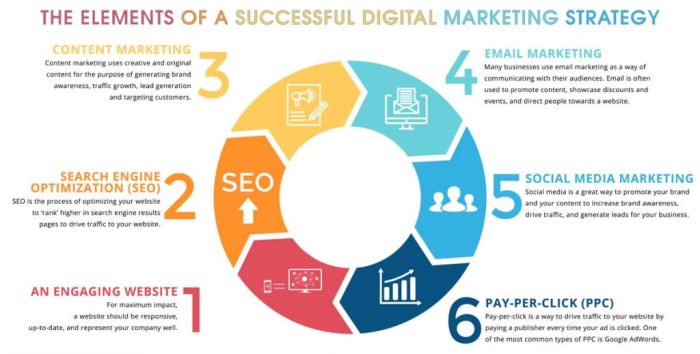
Crafting effective SMART goals and objectives is crucial for a successful digital marketing plan. These goals provide a roadmap, guiding your efforts and allowing you to measure progress towards your overall business objectives. Without well-defined goals, your marketing activities risk becoming unfocused and ultimately ineffective.
SMART stands for Specific, Measurable, Achievable, Relevant, and Time-bound. Each element is essential for creating goals that are both ambitious and attainable. By adhering to the SMART framework, you ensure that your marketing strategies are aligned with your business needs and that progress can be tracked and analyzed effectively.
SMART Goals for Increasing Brand Awareness
The following three SMART goals illustrate how to apply the SMART framework to increase brand awareness for a new mobile app. These goals are designed to be challenging yet achievable, ensuring that marketing efforts are focused and impactful.
- Increase app downloads by 20% within the first three months of launch. This goal is specific, measurable (using download numbers), achievable (assuming a realistic marketing budget and strategy), relevant (directly tied to app success), and time-bound (three months).
- Achieve a 4.5-star average rating on the app store within six months of launch. This goal is specific (target rating), measurable (using app store ratings), achievable (through user engagement and addressing feedback), relevant (high ratings build trust and attract new users), and time-bound (six months).
- Generate 5,000 social media engagements (likes, shares, comments) across all platforms within the first two months of launch. This goal is specific (type and number of engagements), measurable (using social media analytics), achievable (through targeted social media campaigns), relevant (indicates growing brand awareness and user interest), and time-bound (two months).
Measurable Objectives Supporting SMART Goals
To achieve the above SMART goals, we need measurable objectives with key performance indicators (KPIs). These objectives break down the goals into actionable steps and provide specific metrics for tracking progress.
| SMART Goal | Objective | KPI |
|---|---|---|
| Increase app downloads by 20% within three months | Implement a targeted social media advertising campaign | Click-through rate (CTR) on ads, cost per install (CPI), conversion rate |
| Achieve a 4.5-star average rating within six months | Proactively respond to user reviews and feedback | Number of reviews responded to, average response time, change in app store rating |
| Generate 5,000 social media engagements within two months | Run engaging social media contests and giveaways | Number of engagements (likes, shares, comments), reach, engagement rate |
Alignment with Overall Business Strategy
These SMART goals and objectives directly support the overall business strategy by focusing on key aspects of app success: user acquisition, user satisfaction, and brand building. Increased downloads contribute to revenue generation, while high ratings and social media engagement enhance brand reputation and attract new users organically. By achieving these goals, the app will establish a strong market presence and achieve sustainable growth.
For example, a successful social media campaign could not only increase downloads but also lead to valuable user feedback, improving future app development and user experience. Similarly, high app store ratings create a positive feedback loop, attracting more users and further enhancing the app’s reputation. All of this contributes to the overall business goal of establishing a successful and profitable mobile application.
Choosing the Right Digital Marketing Channels
Selecting the appropriate digital marketing channels is crucial for a B2B SaaS company to reach its target audience effectively and achieve its business goals. The effectiveness of each channel varies significantly depending on factors such as budget, target audience demographics, and the specific goals of the marketing campaign. This section will analyze three key channels – social media marketing, email marketing, and search engine optimization () – comparing their strengths and weaknesses in the context of a B2B SaaS business.
Social Media Marketing for B2B SaaS
Social media platforms offer a powerful way to engage with potential customers, build brand awareness, and generate leads. For B2B SaaS, platforms like LinkedIn, Twitter, and even targeted Facebook groups can be highly effective. However, organic reach on social media is often limited, requiring paid advertising to achieve significant scale.
- Pros: Targeted advertising allows precise audience selection; high engagement potential through interactive content; opportunity to build brand authority and thought leadership through insightful posts and participation in relevant discussions; relatively quick results when paired with paid campaigns.
- Cons: Organic reach can be challenging; requires ongoing content creation and community management; can be expensive, especially for large-scale campaigns; measuring ROI can be complex.
Email Marketing for B2B SaaS
Email marketing remains a highly effective channel for nurturing leads and driving conversions. It allows for personalized communication, targeted messaging, and the ability to track key metrics such as open rates and click-through rates.
- Pros: High conversion rates compared to other channels; allows for personalized messaging and segmentation; cost-effective compared to paid social media advertising; excellent for nurturing leads through automated email sequences; provides detailed analytics to track performance.
- Cons: Requires a robust email list; can be impacted by spam filters; requires consistent content creation and email list maintenance; high unsubscribe rates if not managed properly; deliverability issues may arise.
Search Engine Optimization () for B2B SaaS
focuses on improving a website’s ranking in search engine results pages (SERPs) for relevant s. For B2B SaaS companies, strong can drive significant organic traffic to their website, leading to increased brand awareness, lead generation, and ultimately, sales.
- Pros: Drives high-quality, organic traffic; builds long-term brand authority; cost-effective in the long run compared to paid advertising; increases website visibility; targets users actively searching for solutions.
- Cons: Requires significant time and effort; results are not immediate; can be complex and require specialized knowledge; algorithm updates can impact rankings; competition for top rankings can be fierce.
Multi-Channel Marketing Strategy for B2B SaaS
A successful B2B SaaS marketing strategy should leverage the strengths of all three channels. For example, a company could use to drive organic traffic to its website, then use email marketing to nurture leads captured through website forms or content downloads. Simultaneously, targeted social media advertising could be used to reach a wider audience and drive traffic to specific landing pages.
This integrated approach maximizes reach, engagement, and ultimately, return on investment. A well-defined buyer persona will significantly improve the targeting and effectiveness of each channel, resulting in higher conversion rates and a stronger ROI. For instance, a company selling project management software might focus its LinkedIn advertising on project managers and team leads, while using email marketing to nurture leads who have downloaded a whitepaper on project management best practices.
Developing Your Content Strategy
A well-defined content strategy is crucial for attracting your target audience and driving sales in your handmade jewelry e-commerce business. It involves creating valuable, engaging content that resonates with your ideal customer and positions your brand as an authority in the market. This strategy should align perfectly with your overall digital marketing plan, reinforcing your brand message and guiding customers through the sales funnel.
Blog Post Ideas for a Handmade Jewelry E-commerce Business
Creating high-quality blog content is essential for attracting organic traffic and building brand loyalty. The following blog post ideas are designed to engage your target audience and showcase your expertise in handmade jewelry.
- Headline: “Unlocking the Secret to Choosing the Perfect Handmade Jewelry for Every Occasion”
Description: This blog post will guide readers through selecting handmade jewelry for various occasions, offering style advice and highlighting the versatility of your pieces. It will include examples of jewelry suitable for weddings, birthdays, anniversaries, and everyday wear. The post will also emphasize the unique stories and craftsmanship behind your jewelry. - Headline: “Caring for Your Treasured Handmade Jewelry: A Comprehensive Guide”
Description: This blog post focuses on providing practical advice on how to properly care for and maintain handmade jewelry. It will cover topics such as cleaning techniques, storage solutions, and identifying potential damage. The post will aim to extend the lifespan of the jewelry, building customer trust and loyalty. - Headline: “The Art and Soul Behind Handmade Jewelry: An Interview with [Your Name/Artisan]”
Description: This blog post features an interview with the artisan(s) behind the jewelry brand. It provides insight into the creative process, inspiration, and materials used. This humanizes the brand, connecting with customers on an emotional level and showcasing the unique craftsmanship involved.
Visual Content for Each Blog Post
Visuals are key to enhancing the reader’s experience and making your content more shareable. The right visuals can significantly improve engagement and conversion rates.
- “Unlocking the Secret to Choosing the Perfect Handmade Jewelry for Every Occasion”: This post would benefit from high-quality product photography showcasing the jewelry in various settings and on different models. Lifestyle images depicting people wearing the jewelry in real-life scenarios would also be effective. Consider using close-up shots highlighting intricate details and textures. Infographics could visually represent different occasions and suggest suitable jewelry styles. For example, an infographic could depict different jewelry pieces categorized by occasion, each image linked to a specific product page.
- “Caring for Your Treasured Handmade Jewelry: A Comprehensive Guide”: This post would benefit from a mix of illustrations and short videos. Illustrations could depict proper cleaning techniques, storage methods, and how to identify common problems. Short, easily digestible videos demonstrating cleaning techniques would be very effective. Consider using animated graphics to highlight key steps in jewelry care.
- “The Art and Soul Behind Handmade Jewelry: An Interview with [Your Name/Artisan]”: This post would feature high-quality photos of the artisan in their workspace, showcasing their tools and materials. A short video interview with the artisan would be highly engaging, allowing them to share their passion and creative process directly with the audience. Images of sketches, design mock-ups, and the finished jewelry would provide a comprehensive view of the process.
Content Calendar for the Next Three Months
A well-structured content calendar ensures consistent content creation and publication.
- Month 1: “Unlocking the Secret to Choosing the Perfect Handmade Jewelry for Every Occasion”
-Published Week 2. - Month 2: “Caring for Your Treasured Handmade Jewelry: A Comprehensive Guide”
-Published Week
1. “The Art and Soul Behind Handmade Jewelry: An Interview with [Your Name/Artisan]”
-Published Week 4. - Month 3: Repurpose content from Month 1 and 2 into shorter social media posts and Instagram stories. Plan a new blog post focusing on a seasonal theme or a new collection launch.
Budgeting and Resource Allocation
Creating a realistic budget is crucial for a successful digital marketing campaign. Without a well-defined budget, you risk overspending on ineffective strategies or under-resourcing areas with high potential. This section Artikels how to allocate your marketing budget effectively and track your return on investment (ROI).
Hypothetical Marketing Budget Allocation
Let’s assume we have a $5,000 budget for a new mobile app. This budget needs to be strategically allocated across various digital marketing channels to maximize reach and impact. A sample allocation might look like this:
| Marketing Activity | Budget Allocation | Rationale |
|---|---|---|
| Paid Social Media Advertising (Facebook, Instagram) | $2,000 | Targeted advertising to reach potential users based on demographics and interests. Allows for A/B testing of ad creatives and precise audience targeting. |
| App Store Optimization (ASO) | $500 | Improving app store listing (s, description, screenshots) to increase organic downloads. This is a long-term investment with lasting benefits. |
| Influencer Marketing | $1,000 | Collaborating with relevant influencers to promote the app to their engaged audience. This leverages existing trust and credibility. |
| Content Marketing (Blog posts, articles) | $500 | Creating valuable content related to the app’s functionality and benefits to attract organic traffic and build brand awareness. |
| Email Marketing | $500 | Building an email list and sending targeted email campaigns to nurture leads and promote app updates or features. |
| Analytics & Tracking Tools | $500 | Investing in tools to monitor campaign performance, track key metrics, and inform future budget allocation decisions. |
Tracking Return on Investment (ROI)
Tracking ROI is essential to understand which marketing activities are generating the best results. For each activity, key performance indicators (KPIs) should be defined and monitored. For example:
| Marketing Activity | KPIs | ROI Calculation (Example) |
|---|---|---|
| Paid Social Media Advertising | Clicks, Impressions, Conversions (app downloads), Cost Per Acquisition (CPA) | ROI = (Revenue Generated - Marketing Spend) / Marketing SpendExample: If $2000 spend generated 1000 downloads at an average revenue of $5 per download, ROI = ($5000 – $2000) / $2000 = 1.5 or 150% |
| Influencer Marketing | App downloads attributed to influencer campaigns, engagement rate, reach | Similar ROI calculation as above, but attributing downloads and revenue specifically to the influencer campaign. |
| ASO | App store ranking, organic downloads, conversion rate | Measuring the increase in organic downloads and revenue attributable to ASO improvements over time. This is a more long-term ROI calculation. |
Optimizing Budget Allocation Based on Performance Data
Regularly reviewing performance data is critical for optimizing budget allocation. If a particular channel isn’t performing well (low ROI), consider reducing its budget and reallocating funds to higher-performing channels. For example, if paid social media advertising is generating a high ROI, increase its budget. Conversely, if influencer marketing shows low conversion, reduce its allocation and invest more in ASO or paid advertising.
This iterative process of analysis and adjustment is key to maximizing your marketing budget’s impact.
Implementing and Monitoring Your Plan
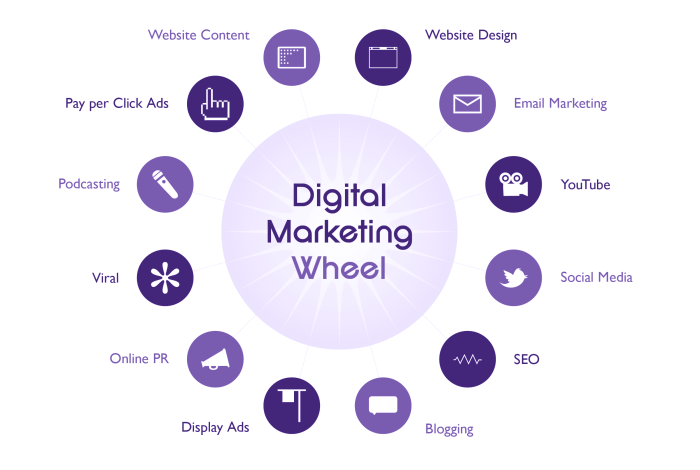
Successfully launching your digital marketing plan is only half the battle; consistent monitoring and adaptation are crucial for optimal results. This involves tracking key performance indicators (KPIs) across all your chosen channels and making data-driven adjustments to your strategy as needed. This iterative process ensures your plan remains effective and efficient in achieving your defined goals.
Setting Up Google Analytics
Google Analytics is a powerful free tool that provides comprehensive website traffic data. Setting it up involves creating a Google Analytics account, obtaining a tracking ID, and inserting the tracking code into your website’s HTML. This code allows Google Analytics to track user interactions on your site, providing valuable insights into user behavior. Once installed, you can access detailed reports on various aspects of your website’s performance, including traffic sources, user demographics, and popular pages.
Understanding this data is paramount to optimizing your website’s content and user experience. For example, you can identify which marketing campaigns are driving the most valuable traffic and which pages are leading to conversions. Furthermore, you can segment your audience based on various factors to understand their unique behaviors and preferences.
Key Metrics for Each Digital Marketing Channel
Monitoring relevant metrics is essential to assess the effectiveness of your digital marketing efforts. Each channel offers unique insights. For website analytics, key metrics include website traffic (unique visitors, page views, bounce rate), conversion rates (e.g., purchase rates, sign-ups), and time on site. Social media engagement is measured through metrics such as likes, shares, comments, and follower growth.
Different platforms have varying metrics; for instance, Instagram emphasizes visual engagement (likes, saves), while Twitter focuses on retweets and mentions. Email marketing success is tracked by open rates, click-through rates, and conversion rates from email campaigns. For example, a high open rate but low click-through rate might indicate a subject line issue, prompting a review of your email subject line strategy.
Conversely, a low open rate might suggest problems with your email list segmentation or the overall relevance of your email content.
Analyzing Data and Making Adjustments
Regularly reviewing your data from Google Analytics and other channel-specific analytics platforms is crucial. Compare your actual results against your SMART goals. For example, if your email campaign’s click-through rate is significantly below your target, you might need to adjust your email content, subject lines, or segmentation. If website traffic from a particular social media channel is low, it might indicate a need to refine your social media strategy on that platform.
This iterative process involves continuous analysis, identification of areas for improvement, and implementation of changes to optimize your campaigns. A consistent approach to data analysis ensures your digital marketing plan remains aligned with your business objectives, adapting to evolving trends and user behaviors.
Understanding Digital Marketing
Digital marketing encompasses all marketing efforts that use an electronic device or the internet. Businesses leverage digital channels such as search engines, social media, email, and their websites to connect with current and prospective customers. It’s a dynamic field constantly evolving to meet the changing needs and behaviors of consumers. Understanding its core principles is crucial for effective strategy development.Digital marketing operates on several key principles.
Firstly, it prioritizes a data-driven approach. Success is measured through analytics, providing insights into campaign performance and informing future strategies. Secondly, it emphasizes personalization and targeted messaging, aiming to tailor content and offers to specific audience segments. Thirdly, it focuses on building relationships with customers, fostering loyalty and advocacy through consistent engagement. Finally, it demands adaptability and continuous optimization, responding to changes in algorithms, trends, and consumer preferences.
Core Principles of Digital Marketing
The foundation of successful digital marketing rests on understanding customer behavior, creating compelling content, and leveraging the right channels to reach the target audience effectively. Effective strategies involve a mix of paid, earned, and owned media, creating a holistic approach to marketing. Paid media includes advertising on platforms like Google and social media; earned media refers to organic mentions and reviews; and owned media encompasses the brand’s website and social media profiles.
By skillfully integrating these elements, businesses can maximize their reach and impact.
Key Trends Shaping the Future of Digital Marketing
Several significant trends are reshaping the digital marketing landscape. Firstly, the rise of artificial intelligence (AI) is automating tasks, personalizing experiences, and improving campaign efficiency. For example, AI-powered chatbots provide instant customer support, while predictive analytics help anticipate customer needs. Secondly, the increasing importance of data privacy and security is leading to stricter regulations and a greater focus on ethical data handling practices.
Thirdly, the metaverse and immersive technologies offer new opportunities for brand engagement and interactive experiences. Imagine virtual stores and product demonstrations within a metaverse environment. Fourthly, the continued growth of mobile usage demands mobile-first strategies, optimizing websites and content for mobile devices. Fifthly, the increasing influence of short-form video content, particularly on platforms like TikTok and Instagram Reels, requires businesses to adapt their content strategies accordingly.
Brands are using short, engaging videos to showcase products and build brand awareness.
Ethical Considerations in Digital Marketing
Ethical considerations are paramount in digital marketing. Transparency is crucial; consumers should be aware of how their data is being used. Respecting user privacy and complying with data protection regulations, such as GDPR, is non-negotiable. Furthermore, avoiding deceptive marketing practices, such as misleading advertising or manipulative tactics, is essential for building trust and maintaining a positive brand reputation.
Businesses must ensure their marketing practices are ethical and responsible, upholding the integrity of their brand. This includes being honest about endorsements and sponsorships, avoiding the spread of misinformation, and ensuring accessibility for all users.
Developing a comprehensive digital marketing plan requires careful planning, execution, and ongoing analysis. By following the steps Artikeld in this guide—from defining your target audience and setting SMART goals to monitoring your performance and adapting your strategy—you can create a plan that drives growth and achieves your business objectives. Remember that consistency and adaptation are key to long-term success in the ever-evolving digital world.
Continuously refine your approach based on data and insights to maximize your impact and reach your target audience effectively.
Clarifying Questions
What is the difference between a marketing objective and a marketing goal?
Goals are broad, overarching aims, while objectives are specific, measurable steps to achieve those goals.
How often should I review and update my digital marketing plan?
Regularly, at least monthly, to account for performance data and changing market trends.
What are some free tools I can use to track my digital marketing efforts?
Google Analytics, Google Search Console, and many free social media analytics dashboards.
How can I measure the success of my social media marketing?
Track metrics like engagement (likes, comments, shares), reach, website traffic from social media, and conversions.
What is A/B testing and why is it important?
A/B testing involves comparing two versions of a marketing element (e.g., website headline) to see which performs better. It’s crucial for optimizing campaigns.