The digital landscape of e-commerce is in constant flux, a dynamic environment shaped by technological advancements and evolving consumer behaviors. Understanding the prevailing trends is crucial for businesses aiming to thrive in this competitive arena. This exploration delves into key aspects of modern e-commerce marketing, from the rise of social commerce and the power of personalization to the impact of emerging technologies and the critical role of data analytics.
We will examine how businesses are leveraging social media platforms for sales, personalizing customer experiences through data-driven strategies, and optimizing their presence for mobile users. Further, we will discuss the influence of influencer marketing, the transformative potential of AI and AR/VR, and the importance of robust data analytics for informed decision-making. This analysis aims to provide a practical guide for businesses navigating the complexities of today’s e-commerce marketplace.
The Rise of Social Commerce
Social commerce, the seamless integration of e-commerce directly within social media platforms, is rapidly transforming the retail landscape. Consumers are increasingly comfortable browsing, discovering, and purchasing products without ever leaving their favorite social media apps, creating a powerful and convenient shopping experience. This trend is driven by the increasing time spent on social media, the sophisticated advertising tools available, and the desire for personalized and interactive shopping experiences.
Successful Social Commerce Strategies
Several brands have successfully leveraged social commerce to boost sales and brand awareness. For example, Sephora’s use of shoppable Instagram posts allows users to directly purchase products featured in influencer marketing campaigns or aesthetically pleasing product showcases. Similarly, Shopify’s integration with various social media platforms provides a streamlined checkout process, reducing friction and maximizing conversions. These strategies highlight the importance of intuitive design and seamless integration for a positive user experience.
Best Practices for Creating Engaging Shoppable Content
Creating engaging shoppable content requires a multi-faceted approach tailored to each platform. On Instagram, high-quality visuals, influencer collaborations, and compelling stories are key. TikTok benefits from short, dynamic videos showcasing product use and incorporating trending sounds or challenges. Facebook, with its broader demographic reach, allows for more detailed product descriptions and targeted advertising campaigns. Consistent branding across all platforms is crucial for maintaining brand recognition and trust.
Using shoppable tags, links, and clear calls to action on every post is also vital for driving conversions.
Comparative Effectiveness of Social Commerce Platforms
While each platform offers unique advantages, their effectiveness varies depending on the target audience and product type. Instagram, with its visually-driven nature, excels in showcasing aesthetically pleasing products like fashion and beauty. TikTok’s younger demographic makes it ideal for promoting trendy or viral products. Facebook, with its broader reach and detailed targeting options, is suitable for a wider range of products and allows for more sophisticated advertising strategies.
Ultimately, a multi-platform approach often yields the best results, leveraging the strengths of each platform to reach a wider audience.
Hypothetical Social Commerce Campaign: Artisan Coffee Beans
Let’s consider a social commerce campaign for a small-batch artisan coffee bean company. The campaign, titled “Brew Your Day, Our Way,” will run for six weeks across Instagram, TikTok, and Facebook.The budget breakdown is as follows:
| Platform |
Budget |
Strategy |
| Instagram |
$2000 |
Influencer collaborations (3 micro-influencers), high-quality product photography, shoppable posts, targeted ads focusing on coffee lovers and specific geographic locations. |
| TikTok |
$1000 |
Short, engaging videos showcasing the brewing process and highlighting the unique flavors, participation in relevant coffee-related challenges, use of trending sounds. |
| Facebook |
$1500 |
Targeted ads focusing on demographics interested in specialty coffee, detailed product descriptions and customer reviews, use of Facebook’s shopping features. |
| Contingency |
$500 |
To cover unexpected costs or adjust strategies based on campaign performance. |
The campaign will focus on visually appealing content, emphasizing the quality and unique taste of the coffee beans. The use of user-generated content, encouraging customers to share their brewing experiences, will build brand loyalty and community engagement. Performance will be tracked using platform analytics, focusing on engagement rates, website traffic, and sales conversions.
Personalization and Customer Experience
In today’s competitive e-commerce landscape, providing a personalized and engaging customer experience is no longer a luxury but a necessity for success. Consumers expect brands to understand their individual needs and preferences, offering tailored recommendations and interactions that resonate on a personal level. This shift towards personalization is driven by the increasing availability of customer data and the advancements in technology that enable its effective utilization.Personalization in e-commerce involves tailoring marketing messages, product recommendations, and overall brand interactions to meet the unique needs and preferences of individual customers.
This goes beyond simply addressing a customer by name; it involves understanding their past purchase history, browsing behavior, and expressed interests to anticipate their future needs and provide relevant, timely, and engaging experiences. This approach fosters stronger customer relationships, increases loyalty, and ultimately drives higher conversion rates and revenue.
The Importance of Personalized Marketing in E-commerce
Personalized marketing significantly enhances the customer journey by creating a more relevant and engaging experience. By understanding individual customer preferences, businesses can deliver targeted product recommendations, customized offers, and timely promotions that resonate with each shopper. This targeted approach leads to increased engagement, higher click-through rates, and improved conversion rates, ultimately boosting sales and revenue. Furthermore, personalized marketing fosters a sense of connection and loyalty, as customers feel understood and valued by the brand.
This can translate into increased customer lifetime value and advocacy.
Examples of Successful Personalization in E-commerce
Several companies have successfully leveraged personalization to enhance the customer experience. Amazon, for instance, utilizes sophisticated algorithms to recommend products based on past purchases, browsing history, and even items viewed by other customers with similar purchase patterns. Netflix uses similar techniques to suggest movies and TV shows based on viewing history and preferences. Spotify’s personalized playlists cater to individual musical tastes, creating a unique listening experience for each user.
These examples highlight the power of personalization in creating engaging and relevant experiences that drive customer satisfaction and loyalty.
Strategies for Collecting and Utilizing Customer Data Ethically and Effectively
Collecting and utilizing customer data ethically and effectively is crucial for successful personalization. Transparency is paramount; customers should be informed about what data is being collected, how it will be used, and what security measures are in place to protect their information. Obtaining explicit consent is essential, and data should be collected and processed in accordance with relevant privacy regulations, such as GDPR and CCPA.
Businesses should invest in robust data security measures to protect customer information from unauthorized access or breaches. Furthermore, employing data anonymization and aggregation techniques can help protect individual privacy while still allowing for valuable insights to be extracted.
Key Technologies Enabling Personalized E-commerce Experiences
Artificial intelligence (AI) and machine learning (ML) are pivotal technologies driving personalized e-commerce experiences. AI-powered recommendation engines analyze vast amounts of customer data to predict preferences and suggest relevant products or services. ML algorithms learn from customer behavior over time, continuously refining their recommendations and improving their accuracy. Natural language processing (NLP) enables businesses to understand and respond to customer inquiries and feedback in a more natural and conversational way, enhancing the overall customer interaction.
These technologies allow for dynamic and adaptive personalization, creating highly customized experiences that evolve with each customer interaction.
A Customer Journey Map Illustrating Personalized Interactions
Imagine a customer, Sarah, who is interested in purchasing running shoes. Her journey might begin with a targeted social media advertisement showcasing running shoes based on her past browsing history on similar athletic apparel websites. Upon visiting the e-commerce site, she is greeted with personalized recommendations based on her interests, displayed prominently on the homepage. As she browses, the site offers customized product recommendations based on her past searches and preferences.
If she adds an item to her cart but doesn’t complete the purchase, she receives a personalized email reminder with a discount code. Finally, after making a purchase, she receives personalized follow-up emails with relevant product care information and recommendations for complementary products. This entire journey showcases the seamless integration of personalization at every touchpoint, enhancing customer engagement and satisfaction.
Mobile-First E-commerce
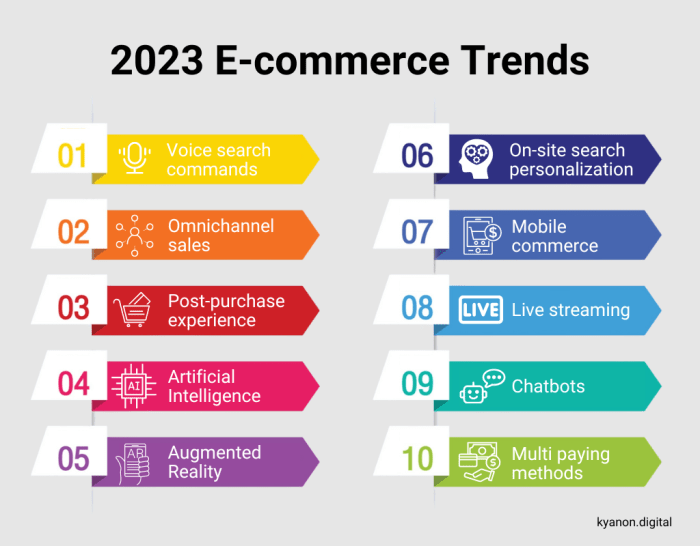
The dominance of mobile devices in daily life has irrevocably shifted the landscape of e-commerce. A mobile-first approach is no longer a luxury but a necessity for businesses aiming to thrive in the digital marketplace. Consumers increasingly browse, research, and purchase products through their smartphones and tablets, demanding seamless and optimized experiences. Ignoring this trend risks losing a significant portion of potential customers and market share.Mobile optimization significantly impacts e-commerce success by ensuring a positive user experience across all devices.
A poorly designed mobile website can lead to high bounce rates, abandoned carts, and ultimately, lost revenue. Conversely, a well-optimized mobile experience fosters engagement, encourages conversions, and strengthens brand loyalty. The speed and ease of mobile shopping are key factors driving its popularity.
Examples of Mobile-Optimized E-commerce Websites and Apps
Several companies excel in providing exceptional mobile shopping experiences. Amazon, for example, boasts a highly intuitive app with robust search functionality, personalized recommendations, and a streamlined checkout process. Similarly, Shopify, a popular e-commerce platform, provides tools and templates that allow businesses of all sizes to create mobile-friendly online stores. Other notable examples include ASOS, known for its visually appealing mobile app, and Sephora, which offers augmented reality features within its app, allowing users to virtually try on makeup.
These examples demonstrate the diverse ways businesses leverage mobile technology to enhance the customer journey.
Best Practices for Designing a User-Friendly Mobile Shopping Experience
Designing a user-friendly mobile shopping experience hinges on several key principles. Firstly, the website or app should be responsive, adapting seamlessly to different screen sizes and orientations. Navigation should be intuitive and straightforward, with clear calls to action. Fast loading times are crucial; users are less tolerant of slow-loading pages on mobile devices. High-quality product images and detailed descriptions are essential for providing a comprehensive shopping experience.
Finally, a secure and easy-to-use checkout process is paramount to minimizing cart abandonment.
Conversion Rates of Mobile Versus Desktop Users in E-commerce
While precise figures vary across industries and individual businesses, mobile commerce consistently accounts for a significant and growing portion of overall e-commerce sales. Studies have shown that while desktop users may have slightly higher average order values, the sheer volume of mobile users often results in comparable or even higher overall conversion rates. The key lies in optimizing the mobile experience to match or exceed the usability of desktop platforms.
The increasing adoption of mobile wallets and streamlined checkout processes further contributes to this trend.
Essential Elements for a Mobile-First E-commerce Strategy
A successful mobile-first strategy requires careful planning and execution. The following checklist Artikels the key elements:
| Category |
Element |
Category |
Element |
| Website Design |
Responsive Design |
Marketing |
Mobile-Specific Advertising |
| User Experience (UX) |
Intuitive Navigation |
Analytics |
Mobile-Specific Data Tracking |
| Performance |
Fast Loading Speed |
Security |
Secure Payment Gateway |
| Product Presentation |
High-Quality Mobile Images |
Customer Service |
Mobile-Friendly Support Channels |
Influencer Marketing and Brand Advocacy
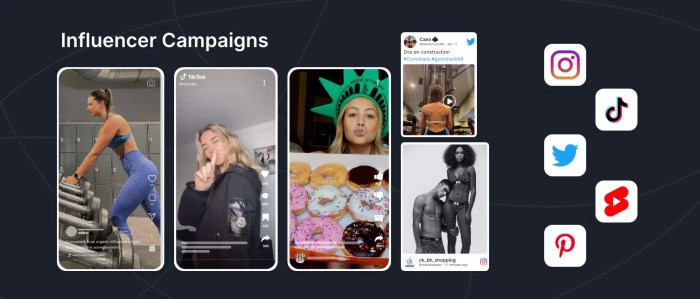
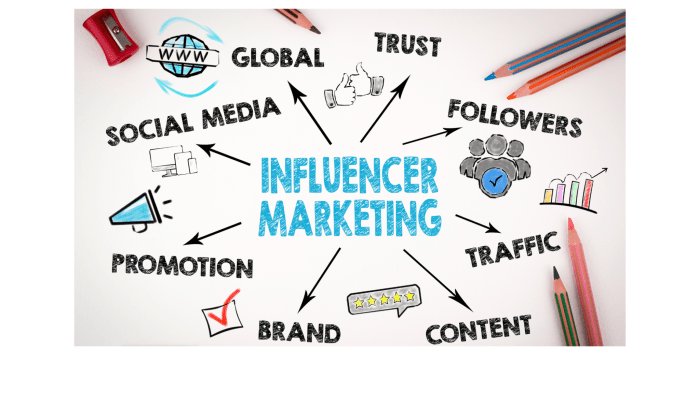
Influencer marketing has rapidly become a cornerstone of successful e-commerce strategies. By leveraging the trust and reach of influential figures online, brands can effectively promote their products and build strong customer relationships, ultimately driving sales and brand awareness. This approach moves beyond traditional advertising, fostering authentic connections between consumers and the products they desire.Influencer marketing’s role in driving e-commerce sales is multifaceted.
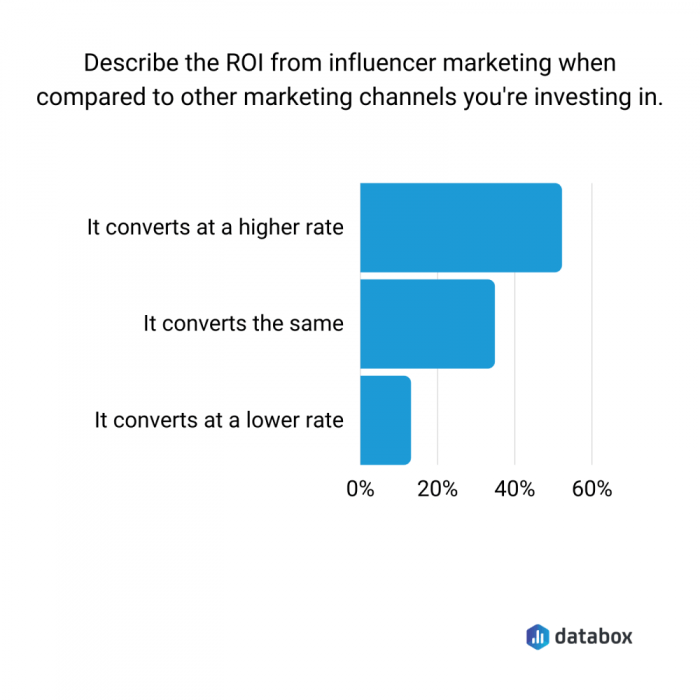
It offers targeted reach to specific demographics, enhanced brand credibility through association with trusted personalities, and increased engagement through interactive content. The persuasive power of a recommendation from a respected influencer can significantly impact purchasing decisions, leading to a higher conversion rate compared to standard advertising methods.
Successful Influencer Marketing Campaigns in E-commerce
Several successful campaigns demonstrate the power of this strategy. For instance, a beauty brand partnered with a group of micro-influencers, each specializing in different makeup styles. This approach allowed for highly targeted messaging, reaching diverse segments within the beauty community. The campaign featured authentic reviews and tutorials, generating significant buzz and driving substantial website traffic and sales.
Another example involves a clothing retailer collaborating with a fashion macro-influencer. The influencer showcased the brand’s new collection in a stylish photo shoot and video, resulting in a substantial spike in sales and a surge in brand mentions on social media. These examples highlight the importance of selecting influencers whose audience aligns with the target market and whose content resonates with the brand’s identity.
Key Metrics for Measuring Influencer Marketing Effectiveness
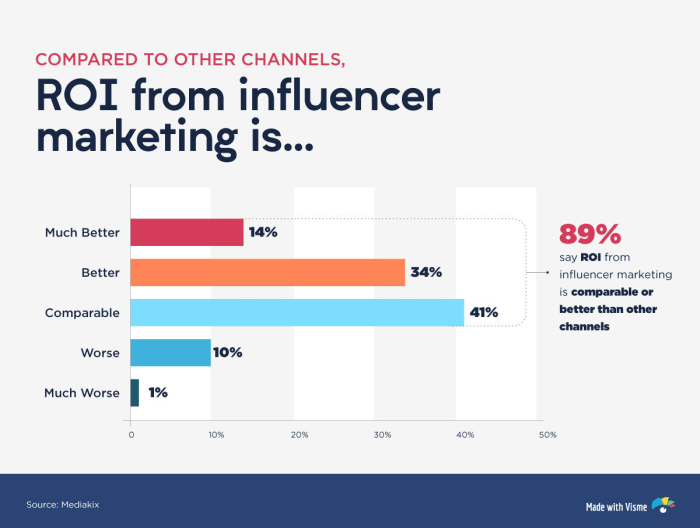
Measuring the success of an influencer marketing campaign requires a data-driven approach. Key metrics include website traffic driven from influencer posts, sales generated through unique discount codes or affiliate links, brand mentions and social media engagement (likes, comments, shares), and changes in brand awareness and sentiment. Analyzing these metrics provides insights into the return on investment (ROI) and helps refine future campaigns.
For example, tracking unique discount codes allows for precise measurement of sales directly attributable to each influencer. Monitoring social media engagement provides a gauge of audience receptiveness and campaign resonance.
Comparison of Influencer Partnership Types
The choice between micro-influencers and macro-influencers depends on the campaign’s objectives and budget. Macro-influencers boast large followings, offering broad reach but often at a higher cost per collaboration. Micro-influencers, while possessing smaller audiences, typically exhibit higher engagement rates and a more dedicated following, fostering stronger community interactions. A balanced approach, incorporating both types of influencers, can offer a comprehensive strategy maximizing reach and engagement.
For instance, a brand might partner with a macro-influencer for broad brand awareness and then utilize several micro-influencers for more targeted promotions.
A Plan for Selecting and Collaborating with Influencers
Selecting the right influencers involves a thorough process. First, identify influencers whose audience aligns with the target market and whose content resonates with the brand’s values and aesthetic. Then, assess their engagement rate and audience authenticity, avoiding influencers with a high proportion of fake followers. Next, establish clear campaign goals and metrics for measuring success. Finally, negotiate contracts outlining deliverables, payment terms, and content guidelines.
Maintaining open communication and fostering a collaborative relationship throughout the campaign is crucial for optimal results. This structured approach ensures the campaign is both effective and cost-efficient.
The Impact of Emerging Technologies
The rapid advancement of technology is fundamentally reshaping the e-commerce landscape, creating both challenges and unprecedented opportunities for businesses. Emerging technologies are no longer futuristic concepts; they are actively influencing consumer behavior and driving innovation in marketing strategies. Understanding and leveraging these technologies is crucial for maintaining a competitive edge in the increasingly dynamic world of online retail.
Artificial Intelligence in E-commerce Marketing
AI is revolutionizing e-commerce marketing by automating tasks, personalizing customer experiences, and providing valuable data-driven insights. AI-powered tools analyze vast amounts of customer data to predict purchasing behavior, optimize pricing strategies, and personalize marketing campaigns. For instance, recommendation engines, powered by machine learning algorithms, suggest products relevant to individual customer preferences, significantly boosting sales conversion rates. Furthermore, AI-driven chatbots provide instant customer support, improving customer satisfaction and freeing up human agents to focus on more complex issues.
The use of AI in targeted advertising also allows businesses to reach specific customer segments with highly relevant messages, maximizing the effectiveness of their marketing spend.
Augmented and Virtual Reality in Online Shopping
Augmented reality (AR) and virtual reality (VR) are transforming the online shopping experience by allowing customers to interact with products in a more immersive and engaging way. AR applications, accessible through smartphones or tablets, enable customers to virtually “try on” clothes, visualize furniture in their homes, or test out makeup shades before purchasing. VR, on the other hand, offers a fully immersive experience, allowing customers to explore virtual stores and interact with products in a three-dimensional environment.
This significantly reduces the uncertainty associated with online purchases, leading to increased customer confidence and higher conversion rates. Companies like Warby Parker have successfully utilized AR to allow customers to try on glasses virtually, dramatically improving the online shopping experience.
Blockchain Technology and E-commerce Security
Blockchain technology, known for its secure and transparent nature, offers significant benefits to e-commerce. Its decentralized and immutable ledger system enhances security by protecting sensitive customer data from unauthorized access and cyber threats. Furthermore, blockchain can streamline supply chain management, increasing transparency and traceability of products from origin to consumer. This builds trust and combats counterfeiting, benefiting both businesses and consumers.
For example, luxury brands are exploring blockchain to verify the authenticity of their products, combating the growing problem of counterfeit goods in the online marketplace.
The Metaverse and Future E-commerce Strategies
The metaverse, a persistent, shared, 3D virtual world, presents a significant opportunity for e-commerce businesses to create immersive and engaging shopping experiences. Imagine virtual stores offering interactive product demonstrations, personalized avatars, and virtual events. Brands can create unique virtual spaces to showcase their products and build brand communities. The metaverse offers the potential to transcend the limitations of traditional online shopping, creating a more engaging and social retail environment.
While still in its early stages, companies are already experimenting with metaverse-based shopping experiences, hinting at a future where the lines between the physical and digital worlds blur.
A Futuristic E-commerce Shopping Experience
Imagine a shopper wearing AR glasses, walking through their living room. As they look around, furniture items appear overlaid onto their real-world environment, showcasing different styles and colors. Using voice commands, they select a sofa, and a virtual assistant guides them through different fabric options and finishes, providing detailed information and customer reviews. The shopper then enters a virtual store in the metaverse, interacting with a digital sales representative who guides them through a personalized shopping experience.
Finally, the purchase is seamlessly processed using a secure blockchain-based payment system, ensuring transparency and security throughout the transaction. This seamless blend of physical and virtual environments, enhanced by AI and blockchain technology, represents a glimpse into the future of e-commerce.
Data Analytics and Measurement
In today’s competitive e-commerce landscape, understanding customer behavior is paramount to success. Data analytics provides the crucial insights needed to optimize marketing strategies, personalize the customer journey, and ultimately drive revenue growth. By leveraging data-driven decision-making, businesses can move beyond guesswork and build a more effective and efficient approach to their marketing efforts.Data analytics allows e-commerce businesses to gain a deep understanding of customer preferences, purchasing patterns, and overall engagement with their brand.
This understanding is crucial for developing targeted marketing campaigns, improving website design and user experience, and personalizing customer interactions. The ability to analyze data effectively provides a competitive advantage, enabling businesses to respond quickly to market trends and adapt their strategies accordingly.
Key Performance Indicators (KPIs) in E-commerce Marketing
KPIs are crucial metrics that track the success of e-commerce marketing campaigns. Monitoring these metrics provides valuable feedback and allows for data-driven adjustments to improve performance. Different KPIs are relevant depending on specific marketing objectives.
- Website Traffic: Measures the number of visitors to the website, including unique visitors and returning visitors. This helps understand the reach of marketing efforts.
- Conversion Rate: Calculates the percentage of website visitors who complete a desired action, such as making a purchase or signing up for a newsletter. This indicates the effectiveness of the website and marketing campaigns in driving conversions.
- Average Order Value (AOV): Represents the average amount spent per order. Increasing AOV can significantly boost revenue.
- Customer Acquisition Cost (CAC): Measures the cost of acquiring a new customer. Optimizing marketing spend to reduce CAC is essential for profitability.
- Customer Lifetime Value (CLTV): Predicts the total revenue a customer will generate throughout their relationship with the business. Understanding CLTV helps in prioritizing customer retention strategies.
- Return on Ad Spend (ROAS): Measures the return on investment for advertising campaigns. A high ROAS indicates effective advertising strategies.
Methods for Tracking and Analyzing E-commerce Marketing Campaigns
Effective tracking and analysis are essential to understand the performance of marketing campaigns. Several methods can be employed to gather and interpret this crucial data.E-commerce platforms typically provide built-in analytics dashboards, offering a wealth of information on website traffic, sales, and customer behavior. These dashboards provide real-time data, allowing for quick adjustments to campaigns. Beyond built-in analytics, dedicated marketing automation tools offer advanced features for tracking email marketing performance, social media engagement, and other key metrics.
These tools provide detailed reporting and allow for A/B testing of different marketing approaches. Furthermore, web analytics platforms, such as Google Analytics, offer comprehensive data on website traffic, user behavior, and conversion rates. This data provides a holistic view of the customer journey, from initial website visit to final purchase. By integrating various tracking methods, businesses can build a comprehensive understanding of their marketing campaign performance.
Comparison of Analytical Tools
Various analytical tools are available for e-commerce businesses, each with its own strengths and weaknesses. The choice of tool depends on the specific needs and resources of the business.Google Analytics remains a widely used and powerful tool, providing comprehensive website analytics, including traffic sources, user behavior, and conversion tracking. Other popular platforms include Adobe Analytics, which offers advanced features for large enterprises, and specialized tools focusing on specific marketing channels, such as social media analytics platforms.
The selection of the right tool often involves considering factors like budget, technical expertise, and the level of detail required in the analysis. A smaller business might find Google Analytics sufficient, while a larger organization may benefit from a more comprehensive platform like Adobe Analytics.
Data Analysis Process for Evaluating an E-commerce Marketing Campaign
A structured approach to data analysis is vital for drawing accurate conclusions and making informed decisions. The following steps Artikel a typical process:
- Define Objectives and KPIs: Clearly define the goals of the marketing campaign and identify the relevant KPIs to measure success.
- Data Collection: Gather data from various sources, including website analytics, marketing automation tools, and CRM systems.
- Data Cleaning and Preparation: Clean and prepare the data for analysis, ensuring accuracy and consistency.
- Data Analysis: Analyze the data using appropriate statistical methods to identify trends and patterns.
- Interpretation and Reporting: Interpret the findings and create a clear and concise report summarizing the results and providing actionable insights.
- Optimization and Iteration: Use the insights gained to optimize future marketing campaigns and iterate based on the results.
Digital Marketing Strategies in E-commerce
E-commerce and digital marketing are intrinsically linked; one cannot thrive without the other. Digital marketing provides the crucial tools and strategies for reaching, engaging, and converting online shoppers, forming the backbone of successful e-commerce operations. Without effective digital marketing, even the best products or services will struggle to gain visibility and market share in the competitive online landscape.
The Relationship Between E-commerce and Digital Marketing
E-commerce relies heavily on digital marketing to drive traffic to online stores, build brand awareness, and ultimately generate sales. Digital marketing encompasses all the online strategies used to promote products or services, including search engine optimization (), search engine marketing (SEM), social media marketing, email marketing, and content marketing. These strategies work together to create a comprehensive approach that attracts potential customers, converts them into buyers, and fosters customer loyalty.
For example, a well-optimized website () ensures higher search engine rankings, leading to organic traffic. Simultaneously, targeted ad campaigns (SEM) can drive immediate sales. These strategies complement each other to create a robust digital presence.
Examples of Successful Digital Marketing Strategies in E-commerce
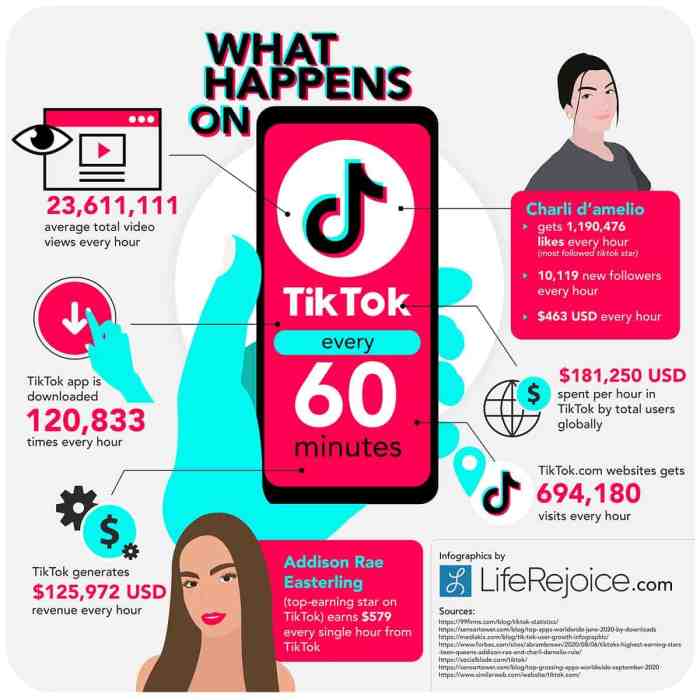
Several e-commerce giants have demonstrated the power of effective digital marketing. Nike’s use of influencer marketing on platforms like Instagram and TikTok to showcase its products and build brand affinity is a prime example. Their campaigns often feature athletes and celebrities interacting with their products, creating aspirational content that resonates with their target audience. Another successful example is Sephora’s personalized email marketing, which leverages customer data to send targeted recommendations and offers.
This approach enhances the customer experience and increases the likelihood of repeat purchases. Finally, Amazon’s sophisticated use of data analytics to optimize its search results and product recommendations continuously refines its customer journey, maximizing conversions.
Digital Marketing Channels Relevant to E-commerce
Several digital marketing channels are vital for e-commerce success. Search Engine Optimization () focuses on improving organic search rankings, driving free traffic to the website. Search Engine Marketing (SEM), conversely, involves paid advertising on search engines to achieve immediate visibility. Email marketing remains a powerful tool for nurturing leads, promoting sales, and building customer relationships through personalized messages and targeted campaigns.
Finally, social media marketing leverages platforms like Facebook, Instagram, and TikTok to engage with customers, build brand awareness, and drive traffic to the website.
Cost and Benefits of Different Digital Marketing Channels
The costs and benefits of each channel vary significantly. , while requiring an upfront investment in time and expertise, offers long-term, sustainable organic traffic and is generally considered cost-effective in the long run. SEM, while providing immediate results, requires ongoing budget allocation for ad spending. Email marketing boasts a high return on investment (ROI) with relatively low costs, provided the email lists are well-segmented and the campaigns are targeted.
Social media marketing costs can range from minimal (organic content) to substantial (paid advertising), with the ROI depending heavily on the platform, targeting, and content strategy.
A Comprehensive Digital Marketing Plan for a Hypothetical E-commerce Startup
For a hypothetical e-commerce startup selling handcrafted jewelry, a comprehensive digital marketing plan would involve: Firstly, establishing a strong foundation through research and on-page optimization. Secondly, running targeted SEM campaigns on Google Shopping and social media platforms to reach potential customers actively searching for handcrafted jewelry. Thirdly, developing an email marketing strategy to nurture leads and promote new collections.
Fourthly, creating engaging social media content on Instagram and Pinterest to showcase the jewelry’s unique designs and build a community around the brand. Fifthly, collaborating with relevant micro-influencers to reach a wider audience and build brand credibility. Finally, continuous monitoring and analysis of campaign performance using data analytics tools to optimize the strategy over time. This multifaceted approach ensures broad reach, targeted engagement, and sustainable growth.
In conclusion, navigating the ever-evolving world of e-commerce marketing requires a multifaceted approach. Successfully integrating social commerce, prioritizing personalized experiences, optimizing for mobile, leveraging influencer marketing, and harnessing the power of emerging technologies are all critical components of a winning strategy. By focusing on data-driven decision-making and continuously adapting to new trends, businesses can build a strong online presence, foster customer loyalty, and achieve sustainable growth in the competitive landscape of digital commerce.
FAQ Corner
What is the return on investment (ROI) of influencer marketing?
ROI varies greatly depending on factors such as influencer selection, campaign strategy, and measurable goals. Tracking key metrics like engagement, website traffic, and sales attributed to the campaign is essential for assessing ROI.
How can I ethically collect and use customer data for personalization?
Prioritize transparency with clear privacy policies. Obtain explicit consent for data collection. Use data only for the purposes stated and ensure data security. Comply with relevant data privacy regulations (e.g., GDPR, CCPA).
What are some cost-effective digital marketing channels for e-commerce?
Email marketing, organic social media marketing, and search engine optimization () offer relatively cost-effective ways to reach potential customers compared to paid advertising campaigns. The effectiveness depends on execution.