Interactive Content Marketing A Comprehensive Guide

Interactive incredible

In today’s digital landscape, capturing and maintaining audience attention is paramount. Interactive content marketing offers a powerful solution, moving beyond passive consumption to foster genuine engagement. By transforming one-way communication into a dynamic two-way exchange, businesses can cultivate stronger relationships with their target audiences and achieve measurable results.

This guide delves into the core principles of interactive content marketing, exploring diverse formats, strategic implementation, and effective measurement techniques. We’ll examine how interactive elements can enhance various digital marketing strategies, from email campaigns to social media engagement, ultimately driving conversions and boosting brand loyalty. Through practical examples and case studies, we aim to equip you with the knowledge and tools to successfully leverage the power of interactive content.

Defining Interactive Content Marketing

Interactive content marketing is a strategic approach that leverages engaging content formats to foster audience participation and build stronger relationships. Unlike traditional content marketing, which primarily focuses on one-way communication (like blog posts or static infographics), interactive content actively involves the audience, encouraging them to interact, explore, and share. This active engagement leads to deeper understanding, improved brand recall, and ultimately, higher conversion rates.Interactive content marketing relies on several core principles.

Firstly, it prioritizes user experience, ensuring that the interactive element is intuitive, enjoyable, and relevant to the audience’s interests. Secondly, it emphasizes personalization, tailoring the experience to individual preferences and behaviors whenever possible. Finally, it focuses on data collection and analysis, using interaction data to gain valuable insights into audience preferences and optimize future campaigns. This data-driven approach allows for continuous improvement and refinement of the marketing strategy.

Interactive Content Formats

Interactive content comes in many forms, each designed to engage users in different ways. The choice of format depends heavily on the marketing goals and the target audience. A well-chosen format significantly enhances the effectiveness of the campaign.

Content Type Description Example Use Case Benefits
Quizzes Fun, engaging assessments that provide personalized results based on user responses. A skincare company uses a quiz to determine a user’s skin type and recommend suitable products. High engagement, lead generation, personalized recommendations.
Polls Simple surveys that gather audience opinions on specific topics. A food brand uses a poll to gauge customer preference between two new flavor options. Quick data collection, understanding audience preferences, social sharing.
Calculators Tools that allow users to perform calculations related to a specific product or service. A mortgage company uses a calculator to estimate monthly payments based on loan amount, interest rate, and loan term. Provides valuable information, simplifies complex processes, lead generation.
Interactive Infographics Visually appealing data presentations that allow users to explore data points through interactive elements like clickable charts and graphs. A travel agency uses an interactive infographic to showcase popular destinations, allowing users to filter by budget, travel style, and interests. Improved data understanding, enhanced engagement, visually appealing content.
Interactive Videos Videos that include clickable elements, allowing viewers to choose their own path or access additional information. An educational institution uses an interactive video to guide prospective students through the application process. Increased viewer engagement, personalized learning experience, improved knowledge retention.

Benefits of Interactive Content in Digital Marketing

Integrating interactive content into a digital marketing strategy offers numerous advantages. These benefits extend across various marketing objectives, from lead generation to brand building.Interactive content significantly boosts audience engagement by encouraging active participation. This heightened engagement leads to increased brand awareness and recall, solidifying the brand’s presence in the minds of consumers. Furthermore, interactive content allows for more effective lead generation, capturing valuable contact information through forms embedded within interactive experiences.

Finally, the data gathered from user interactions provides crucial insights into audience behavior and preferences, enabling marketers to refine their strategies and optimize future campaigns for maximum impact. This data-driven approach is fundamental to successful modern marketing.

Types of Interactive Content

Interactive content is crucial for modern marketing strategies, offering a dynamic and engaging alternative to passive content formats. By actively involving the audience, interactive content fosters deeper connections, improves understanding, and ultimately drives better results. This section will explore several key types, highlighting their strengths and weaknesses.

Quizzes and Polls

Quizzes and polls are excellent tools for quick engagement and lead generation. They’re relatively easy to create and can be deployed across various platforms. A well-designed quiz can capture user data (email addresses) in exchange for results, building an email list. Polls, on the other hand, are ideal for gauging audience opinion and preferences, providing valuable market research insights.

However, the effectiveness of quizzes and polls depends heavily on the quality of questions and the overall design; poorly crafted ones can lead to low completion rates and limited value. The cost is generally low, especially with readily available platforms.

Calculators and Assessments

These tools offer a more in-depth, personalized experience. Calculators can help users determine the cost of a service, the ROI of a product, or other relevant metrics. Assessments can guide users toward the right product or service based on their individual needs and preferences. This type of interactive content excels at lead nurturing and demonstrating value. The downside is the higher development cost compared to quizzes and polls, requiring more sophisticated programming or specialized software.

A successful example is a mortgage calculator on a financial institution’s website, instantly providing personalized estimations and driving engagement.

Interactive Videos

Interactive videos allow viewers to influence the narrative, making the experience more engaging and personalized. Viewers can choose different paths, leading to various outcomes, creating a sense of control and involvement. This format is highly effective for storytelling and product demonstrations. However, creating interactive videos can be complex and expensive, requiring specialized software and expertise. A clothing brand could use an interactive video where viewers select different outfits and see how they look on a model, enhancing the online shopping experience.

Infographics

While not strictly interactive in the same way as the previous examples, interactive infographics can enhance engagement by incorporating elements such as clickable elements, expandable sections, and embedded videos. This allows for a more dynamic and engaging presentation of data, leading to better comprehension and retention. The cost is relatively low to moderate, depending on the complexity.

Interactive Content Example: A Clothing Brand’s Virtual Try-On

For a clothing brand like “StyleSphere,” we could create a virtual try-on experience using augmented reality (AR) technology. Users would upload a photo of themselves and virtually “try on” different outfits from the StyleSphere collection. This would significantly enhance the online shopping experience, reducing purchase hesitation and boosting conversion rates. The purpose is to increase sales by bridging the gap between online browsing and the in-person shopping experience.

This interactive experience would fall under the category of interactive videos and leverage AR technology, potentially increasing the development cost compared to a simple quiz. The potential return on investment, however, could be substantial, justifying the higher initial outlay.

Creating Engaging Interactive Content

Creating truly engaging interactive content requires a thoughtful blend of compelling design, relevant content, and a clear understanding of your target audience. It’s not just about adding interactive elements; it’s about strategically integrating them to enhance the user experience and achieve specific marketing goals. A successful interactive piece should feel natural and intuitive, seamlessly guiding the user toward a desired outcome.

Several key elements contribute to the overall engagement level. These elements work synergistically to create a cohesive and impactful experience, encouraging users to actively participate and ultimately, convert.

Key Elements of Engaging Interactive Content

Effective interactive content hinges on a few crucial elements. First, the content itself must be valuable and relevant to the target audience. It needs to answer a question, solve a problem, or provide useful information. Secondly, the interactive elements should enhance, not distract from, the core message. Simplicity and intuitive navigation are paramount.

Finally, the overall design should be visually appealing and consistent with the brand’s identity. A poorly designed interactive piece, no matter how clever the concept, will likely fail to engage users.

Effective Calls to Action (CTAs)

The call to action (CTA) is the critical bridge between engagement and conversion. A well-crafted CTA guides the user towards the next step, whether it’s making a purchase, signing up for a newsletter, or downloading a resource. Effective CTAs within interactive content are clear, concise, and visually prominent. They should be strategically placed throughout the experience, rather than just at the end.

Examples of effective CTAs include: “Get Your Free Guide Now,” “Start Your Quiz,” “Download Your Checklist,” “Shop the Collection,” or “Schedule a Consultation.” The language should be action-oriented and benefit-driven, clearly communicating the value proposition to the user.

Step-by-Step Guide for Designing and Developing Interactive Content

Designing and developing interactive content is an iterative process. It requires careful planning and testing to ensure a seamless user experience.

  1. Define Objectives and Target Audience: Clearly define your goals for the interactive content (e.g., lead generation, brand awareness, education). Thoroughly understand your target audience’s needs, preferences, and online behavior.
  2. Choose the Right Interactive Format: Select a format that aligns with your objectives and audience (e.g., quizzes, calculators, polls, interactive infographics, videos). Consider the technical capabilities and resources available.
  3. Develop Compelling Content: Craft high-quality, engaging content that is relevant to your target audience and answers their questions or solves their problems. Keep it concise and easy to understand.
  4. Design for User Experience (UX): Prioritize a clean, intuitive design that is easy to navigate. Ensure the interactive elements are seamlessly integrated and enhance the overall user experience. Consider mobile responsiveness.
  5. Implement Clear CTAs: Incorporate clear, concise, and visually prominent calls to action throughout the interactive experience. Make it easy for users to take the next desired step.
  6. Test and Iterate: Thoroughly test the interactive content on different devices and browsers. Gather user feedback and iterate based on the results to optimize performance and engagement.

Interactive Content and Digital Marketing Strategies

Interactive content marketing, while a powerful tool, is just one piece of the larger digital marketing puzzle. Understanding how it interacts with and complements other strategies is crucial for maximizing its effectiveness. This section explores the relationship between interactive content and other key digital marketing approaches, outlining optimal distribution channels and demonstrating its integration within a comprehensive marketing funnel.

Interactive content marketing differs significantly from other digital marketing strategies in its emphasis on audience engagement and two-way communication. Unlike passive content consumption, interactive content actively involves the audience, leading to deeper engagement and improved data collection. This allows for more targeted and personalized marketing efforts.

Comparison of Interactive Content Marketing with Other Digital Marketing Strategies

The following comparison highlights the key distinctions between interactive content marketing and other prominent digital marketing approaches. Each strategy offers unique benefits, and a blended approach often yields the best results.

  • Interactive Content vs. Email Marketing: Email marketing focuses on broadcasting messages to a large audience. Interactive content, however, enhances email campaigns by adding elements like quizzes, polls, or personalized recommendations within the email itself, leading to increased click-through rates and engagement. Email can be a powerful distribution channel for interactive content, driving traffic to landing pages hosting more complex interactive experiences.
  • Interactive Content vs. Social Media Marketing: Social media thrives on engagement. Interactive content naturally aligns with this, providing shareable and engaging content formats such as polls, contests, and interactive infographics that boost brand visibility and user participation on platforms like Facebook, Instagram, and Twitter. Social media analytics provide valuable insights into audience preferences and content performance.
  • Interactive Content vs. Search Engine Optimization (): focuses on improving website ranking in search engine results. Interactive content, while not directly impacting ranking factors like density, indirectly improves through increased dwell time, reduced bounce rates, and the generation of high-quality backlinks when shared. Long-form interactive content often incorporates relevant s and provides valuable information, improving organic search visibility.

Optimal Channels for Distributing Interactive Content

The success of interactive content hinges heavily on its distribution. Choosing the right channel maximizes reach and engagement. The type of interactive content significantly influences the best distribution strategy.

  • Quizzes and Polls: Social media platforms (Facebook, Instagram, Twitter), email marketing, embedded on websites.
  • Calculators and Assessments: Company websites, landing pages, email marketing.
  • Interactive Infographics: Social media, blogs, email newsletters, websites.
  • Interactive Videos: Social media, YouTube, company websites, embedded in email.
  • Virtual Events and Webinars: Dedicated landing pages, email marketing, social media promotion.

Integrating Interactive Content into a Digital Marketing Funnel

Interactive content can be strategically integrated throughout the entire digital marketing funnel, from awareness to conversion. This approach enhances user experience and drives conversions more effectively.

For example, a company launching a new product might use social media polls to gauge customer interest (awareness stage). Then, they could use a quiz on their website to help customers determine which product version best suits their needs (consideration stage). Finally, a calculator estimating potential savings could be used on a landing page to encourage purchases (decision stage).

Post-purchase, interactive surveys can collect feedback and foster customer loyalty (retention stage).

Measuring the Success of Interactive Content

Measuring the effectiveness of your interactive content is crucial for optimizing future campaigns and maximizing your return on investment (ROI). By tracking key metrics and analyzing the data, you can gain valuable insights into what resonates with your audience and refine your strategy accordingly. This allows for continuous improvement and ensures your interactive content remains engaging and effective.

Key Metrics for Evaluating Interactive Content Effectiveness

Several key metrics provide a comprehensive view of your interactive content’s performance. These metrics help you understand not only engagement but also how well the content achieves its intended goals, whether that’s lead generation, brand awareness, or driving sales. Analyzing these metrics together paints a complete picture.

Metric Description How to Measure Interpretation
Engagement Rate Measures the level of interaction with your content. Track clicks, time spent, shares, comments, and downloads. Use analytics tools provided by the interactive content platform (e.g., Google Analytics, native platform analytics). High engagement suggests compelling content. Low engagement may indicate a need for content revisions or targeted audience adjustments.
Conversion Rate Indicates the percentage of engaged users who complete a desired action (e.g., filling out a form, making a purchase). Track the number of conversions divided by the number of engagements. Utilize conversion tracking pixels and form submissions tracking. A high conversion rate signifies effective content in achieving its objective. A low rate suggests potential improvements in the call to action or the overall content flow.
Completion Rate For multi-step interactive content (e.g., quizzes, assessments), this measures the percentage of users who finish the entire piece. Track the number of users who complete all steps divided by the number of users who started. Low completion rates might indicate the content is too long, complex, or uninteresting.
Bounce Rate Measures the percentage of visitors who leave your website after viewing only one page. Use website analytics tools such as Google Analytics. A high bounce rate suggests the content may not be relevant or engaging to your target audience, or the landing page experience could be improved.
Lead Generation Rate Measures the success of interactive content in capturing leads. Track the number of leads generated divided by the number of total interactions. This metric directly assesses the effectiveness of your content in achieving marketing goals.
Social Media Shares Measures how often users share your content on social media platforms. Track shares directly through social media analytics or using social media listening tools. High shares indicate highly shareable and engaging content.

Tracking and Analyzing Data to Optimize Future Campaigns

After gathering data from the metrics above, analyze the results to understand what worked and what didn’t. For example, if a particular quiz has a high completion rate but a low conversion rate, you might need to improve the call to action or the offer presented after completion. If a blog post with an embedded interactive infographic has a high bounce rate, you may need to improve the visual appeal or the overall content flow.

A/B testing different versions of your interactive content is a powerful way to identify optimal approaches. Continuously analyzing and adapting your strategy based on data is key to long-term success. Regularly review your analytics dashboards to identify trends and opportunities for improvement.

Case Studies of Successful Interactive Content
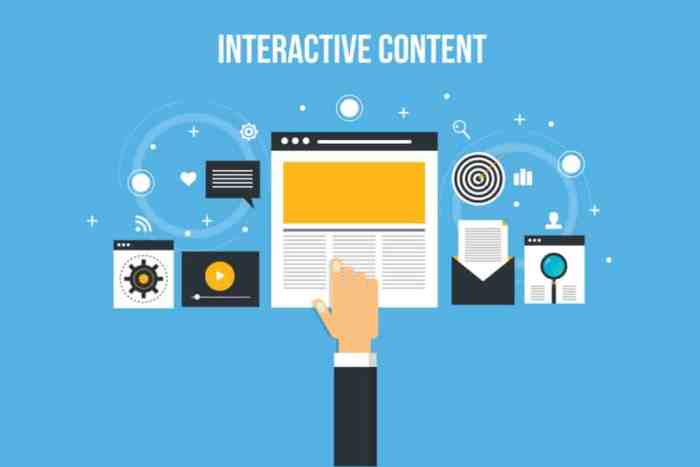
Avada pros cons

Interactive content marketing has proven its effectiveness across various industries. Analyzing successful campaigns reveals valuable insights into effective strategies, content formats, and measurable results. Examining these case studies allows for a deeper understanding of what constitutes a successful interactive campaign and how these successes can be replicated.

Netflix’s “Choose Your Own Adventure” Style Interactive Content

Netflix, a leader in the streaming industry, utilized an interactive “Choose Your Own Adventure” style format for several projects, most notably with the “Black Mirror: Bandersnatch” episode. This interactive film allowed viewers to make choices that directly impacted the narrative’s progression, creating a personalized viewing experience. The target audience was existing Netflix subscribers, primarily young adults and adults interested in science fiction and interactive media.

The results were significant, generating considerable buzz on social media, driving increased engagement with the platform, and bolstering Netflix’s brand image as innovative and forward-thinking. The campaign’s success can be attributed to its unique format, its alignment with the target audience’s preferences for personalized and engaging content, and the effective use of social media for promotion and discussion.

National Geographic’s Interactive Infographics on Climate Change

National Geographic, known for its visually stunning and informative content, created interactive infographics to educate the public about climate change. These infographics utilized data visualization techniques to present complex information in an accessible and engaging manner. The target audience was a broad demographic, including students, environmental activists, and anyone interested in learning more about climate change. The results included increased website traffic, higher social media engagement, and demonstrably increased awareness of climate change issues among the target demographic.

The success stemmed from the use of compelling visuals, the clear and concise presentation of complex data, and the platform’s inherent authority on environmental issues. The interactive elements allowed for exploration and deeper understanding, significantly increasing knowledge retention compared to static infographics.

The New York Times’ Interactive Timeline of the 2016 US Presidential Election

The New York Times, a prominent news organization, created an interactive timeline detailing the events of the 2016 US Presidential Election. This timeline used a chronological format, incorporating images, videos, and news articles to provide a comprehensive overview of the election. The target audience was news consumers interested in politics and current events, particularly those seeking a detailed and easily digestible understanding of the election’s complexities.

The results demonstrated a significant increase in website traffic and engagement, as users spent considerable time exploring the timeline’s rich content. The success was driven by the publication’s established credibility, the comprehensive nature of the content, and the ease with which users could navigate and understand the complex timeline of events. The interactive elements allowed for focused exploration of specific periods or events, improving the user experience and knowledge retention.

Comparative Analysis of Success Factors

All three case studies demonstrate the importance of aligning interactive content with the target audience’s interests and preferences. Each campaign also utilized a format that was well-suited to the subject matter and the platform used for distribution. Furthermore, all three leveraged the inherent strengths of their respective brands to enhance credibility and engagement. A common thread is the effective use of data visualization and interactive elements to improve user engagement and knowledge retention, resulting in increased brand awareness and positive brand perception.

The campaigns highlight the need for a clear understanding of the target audience, a well-defined objective, and the selection of an appropriate interactive format.

The Future of Interactive Content Marketing

Interactive incredible

Interactive content marketing is rapidly evolving, driven by technological advancements and shifting consumer expectations. The future promises even more immersive and personalized experiences, blurring the lines between entertainment and marketing. This evolution will necessitate a deeper understanding of emerging trends and a proactive adaptation to the changing landscape.

The integration of emerging technologies is fundamentally reshaping how brands connect with their audiences. No longer is static content sufficient; instead, interactive experiences are becoming the norm, demanding a more sophisticated approach to content creation and strategy.

Artificial Intelligence and Machine Learning in Interactive Content

AI and ML are poised to revolutionize interactive content creation and distribution. AI-powered tools can automate tasks like content generation, personalization, and A/B testing, freeing marketers to focus on strategy and creative direction. For example, AI can analyze user data to predict preferences and tailor interactive experiences accordingly, resulting in higher engagement rates. Machine learning algorithms can optimize content delivery, ensuring that the right content reaches the right audience at the right time.

This level of personalization is crucial for maximizing impact and achieving marketing objectives. Furthermore, AI can assist in creating more sophisticated interactive elements, such as personalized quizzes or interactive narratives that adapt dynamically based on user input.

Emerging Trends Shaping Interactive Content

Several key trends are shaping the future of interactive content. Augmented reality (AR) and virtual reality (VR) are creating incredibly immersive experiences that go beyond traditional screens. Imagine a furniture company allowing customers to virtually place furniture in their homes using AR, or a travel agency offering immersive VR tours of exotic destinations. These technologies offer unprecedented opportunities for brands to engage consumers in meaningful and memorable ways.

Another trend is the increasing use of voice-activated interfaces, which will require brands to adapt their interactive content to accommodate voice search and voice-controlled interactions. Finally, the metaverse presents a new frontier for interactive content, offering opportunities for brands to create unique and engaging experiences within virtual worlds. Early adopters are already experimenting with virtual events, interactive games, and brand experiences within these immersive environments.

Challenges and Opportunities in Interactive Content Marketing

The future of interactive content presents both challenges and opportunities. One major challenge is the need for marketers to develop new skills and expertise to create and manage sophisticated interactive experiences. This includes a deeper understanding of AI, data analytics, and emerging technologies. Another challenge is the need to balance personalization with user privacy concerns. Brands must ensure they are using user data responsibly and ethically.

However, the opportunities are significant. Interactive content can foster deeper customer engagement, build stronger brand loyalty, and generate valuable insights into consumer behavior. The ability to create personalized and immersive experiences will be a key differentiator for brands in the future. Companies that embrace these trends and adapt their strategies will be well-positioned to thrive in the evolving landscape of interactive content marketing.

Interactive Content and Digital Marketing

Interactive content significantly boosts the effectiveness of digital marketing strategies by fostering deeper engagement and stronger audience connections than traditional, passive content. This heightened engagement translates into improved brand recall, lead generation, and ultimately, higher conversion rates. By actively involving the audience, interactive content moves beyond simply delivering information to creating a memorable experience that drives desired actions.Interactive content serves as a powerful catalyst for enhancing various digital marketing efforts.

It provides a dynamic and engaging alternative to static content, capturing attention in a world saturated with information. This heightened engagement translates into more effective lead generation and improved conversion rates.

Interactive Content’s Role in Building Brand Awareness

Interactive content, by its very nature, encourages audience participation and sharing. Quizzes, polls, and interactive infographics, for example, can go viral, extending brand reach far beyond traditional marketing channels. The engaging nature of these formats creates a positive brand association, reinforcing brand identity and increasing overall awareness. Furthermore, interactive content often provides opportunities for user-generated content, further amplifying brand visibility and building a stronger community around the brand.

Interactive Content for Lead Generation

Interactive content offers a compelling way to attract and qualify leads. Forms embedded within interactive experiences, such as calculators or assessments, seamlessly capture contact information while providing valuable information to the user. This approach makes lead generation less intrusive and more rewarding for both the brand and the potential customer. Furthermore, the data collected from interactive content can be used to segment audiences, enabling more targeted and effective marketing campaigns.

Interactive Content and Driving Conversions

Interactive content can directly influence conversion rates by guiding users toward desired actions. For instance, an interactive product demo can showcase a product’s features and benefits in an engaging way, leading to increased sales. Similarly, interactive calculators or comparison tools can simplify complex decisions, guiding users toward a purchase or other desired conversion. By creating a more engaging and personalized experience, interactive content significantly increases the likelihood of conversions.

Synergy Between Interactive Content and Other Digital Marketing Activities

The following visual representation illustrates the synergistic relationship between interactive content and other digital marketing activities:

Imagine a central hub labeled “Interactive Content” (e.g., a quiz, a calculator, an interactive infographic). From this hub, several arrows extend to other digital marketing activities. One arrow points to “Social Media Marketing,” indicating that the interactive content is shared across social media platforms, expanding its reach. Another arrow points to “Email Marketing,” suggesting that the interactive content is incorporated into email campaigns to boost engagement.

A third arrow connects to “Search Engine Optimization (),” highlighting that the interactive content is optimized for search engines, driving organic traffic. A fourth arrow leads to “Paid Advertising,” demonstrating that the interactive content is used in paid advertising campaigns to increase click-through rates and conversions. Finally, an arrow connects to “Website Analytics,” showing that data from the interactive content is used to track performance and optimize future campaigns.

The arrows all point back to the central “Interactive Content” hub, emphasizing the central role it plays in enhancing the effectiveness of other marketing activities.

Interactive content marketing represents a significant shift in how businesses connect with their audience. By embracing engaging formats and data-driven optimization, organizations can cultivate meaningful relationships, generate high-quality leads, and ultimately achieve their marketing objectives. The key lies in understanding your audience, selecting the right format, and consistently measuring and refining your approach. The future of marketing is interactive, and this guide provides a roadmap to navigate its exciting possibilities.

Question Bank

What is the cost of creating interactive content?

The cost varies greatly depending on the complexity of the content, the chosen format, and whether you outsource the creation or build it in-house. Simple quizzes might be inexpensive, while complex interactive simulations could require significant investment.

How do I choose the right interactive content format for my business?

Consider your marketing goals, target audience, and available resources. Align the format with your objectives: quizzes for lead generation, calculators for providing value, polls for gathering feedback.

What are some common mistakes to avoid when creating interactive content?

Avoid overly complex designs, poor user experience, irrelevant questions, and a lack of clear calls to action. Always test and iterate based on user feedback.

How can I measure the ROI of interactive content?

Track key metrics such as engagement rates, lead generation, conversion rates, and brand awareness. Compare the performance of interactive content campaigns to traditional marketing efforts to assess ROI.
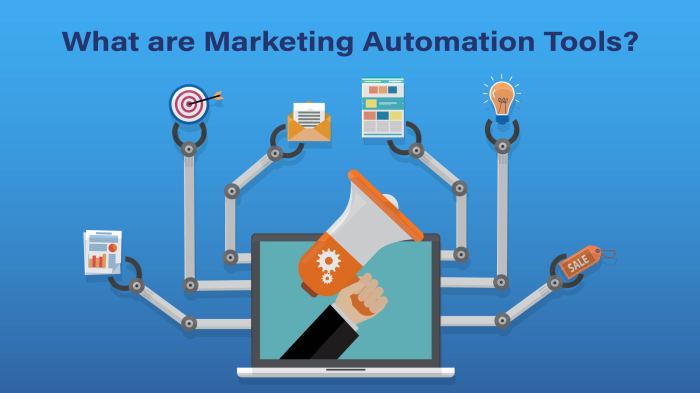

Marketing Automation Tools 2024 A Comprehensive Guide

Marketing Automation Tools 2024

The marketing landscape is constantly evolving, and 2024 promises to be no different. This guide delves into the crucial role of marketing automation tools in navigating this dynamic environment. We’ll explore the top contenders, emerging trends like the increasing influence of AI, and the importance of data privacy. We’ll also examine successful integration strategies across various digital channels and provide actionable insights into measuring ROI and overcoming common implementation challenges.

From understanding key performance indicators to predicting the future of the field, this comprehensive overview equips marketers with the knowledge and strategies needed to leverage automation effectively and achieve significant results. We’ll cover everything from choosing the right tool for your needs to optimizing campaigns for maximum impact, ensuring you’re well-prepared for the future of marketing.

Top Marketing Automation Tools in 2024

Marketing automation tools are crucial for businesses of all sizes seeking to streamline their marketing efforts, improve efficiency, and ultimately, boost ROI. The right tool can significantly enhance lead generation, nurture prospects, and personalize customer interactions, leading to increased conversions and stronger customer relationships. Choosing the best platform depends heavily on specific business needs and budget constraints.

Top 10 Marketing Automation Tools and Their Unique Selling Propositions

Selecting the optimal marketing automation platform requires careful consideration of several factors. The following table compares ten leading tools, highlighting their key features, pricing models, and target audiences. Note that pricing can vary based on specific features and user volume.

Name Key Features Pricing Model Target Audience
HubSpot CRM integration, email marketing, landing pages, social media management, analytics dashboards. Strong emphasis on inbound marketing. Freemium, tiered pricing Small to enterprise businesses, particularly those focused on inbound marketing strategies.
Marketo Advanced lead scoring and segmentation, account-based marketing (ABM) capabilities, robust analytics and reporting. Known for its sophistication. Subscription-based, enterprise-level pricing Large enterprises with complex marketing needs and dedicated marketing teams.
Salesforce Marketing Cloud Highly scalable platform with advanced features for email marketing, personalization, journey building, and cross-channel campaign management. Deep Salesforce ecosystem integration. Subscription-based, enterprise-level pricing Large enterprises with significant marketing budgets and complex marketing operations.
ActiveCampaign Powerful automation features, excellent email marketing capabilities, robust CRM integration, and advanced segmentation. Known for its ease of use. Subscription-based, tiered pricing Small to medium-sized businesses, particularly those prioritizing email marketing and automation.
Pardot (Salesforce) B2B focused platform with strong lead scoring, engagement tracking, and sales alignment capabilities. Seamless integration with Salesforce. Subscription-based, enterprise-level pricing B2B businesses seeking to improve lead nurturing and sales conversion rates.
SharpSpring Marketing automation, CRM, and website analytics all in one platform. Strong focus on ROI tracking and reporting. Subscription-based, tiered pricing Small to medium-sized businesses seeking a comprehensive marketing platform.
Drip E-commerce focused platform with strong email marketing, segmentation, and automation features. Excellent for personalized customer journeys. Subscription-based, tiered pricing E-commerce businesses seeking to improve customer retention and lifetime value.
Ontraport All-in-one marketing platform with CRM, email marketing, membership sites, and e-commerce capabilities. Highly customizable. Subscription-based, tiered pricing Businesses needing a comprehensive, customizable platform.
Zoho CRM + Marketing Automation Integrated CRM and marketing automation platform. Offers a wide range of features at a competitive price. Subscription-based, tiered pricing Small to medium-sized businesses seeking an affordable, integrated solution.
GetResponse Email marketing, landing pages, webinars, automation, and sales funnels. User-friendly interface. Subscription-based, tiered pricing Small to medium-sized businesses looking for a comprehensive email marketing and automation solution.

Successful Marketing Campaigns Using Marketing Automation Tools

Many successful campaigns leverage marketing automation. For example, a B2B SaaS company using Marketo implemented an account-based marketing strategy, focusing on high-value prospects. This resulted in a 30% increase in qualified leads and a 20% improvement in sales conversion rates within six months. Another example involves an e-commerce company utilizing Drip to personalize email sequences based on customer purchase history and website behavior.

This led to a 15% increase in customer lifetime value and a significant reduction in churn rate. These successes highlight the power of strategic marketing automation implementation.

Emerging Trends in Marketing Automation

The marketing automation landscape is constantly evolving, driven by technological advancements and changing consumer behavior. Understanding emerging trends is crucial for businesses seeking to leverage these tools effectively and maintain a competitive edge. This section will explore three key trends shaping the future of marketing automation.

Artificial Intelligence’s Expanding Role in Marketing Automation

Artificial intelligence (AI) is rapidly transforming marketing automation, moving beyond simple automation to deliver truly intelligent solutions. AI-powered tools are enhancing personalization, prediction, and optimization across the entire customer journey. For example, AI algorithms analyze vast datasets to identify patterns and predict customer behavior, enabling marketers to proactively deliver targeted content and offers. Predictive analytics, driven by AI, allows for more effective campaign segmentation and resource allocation, resulting in improved ROI.

Furthermore, AI-powered chatbots are revolutionizing customer service, providing instant support and personalized assistance, leading to increased customer satisfaction and engagement. The use of AI in A/B testing allows for rapid optimization of marketing campaigns, identifying the most effective messaging and creative assets, ultimately boosting conversion rates. Companies like Netflix utilize AI-powered recommendation engines to suggest content tailored to individual user preferences, demonstrating the powerful impact of AI on customer engagement and retention.

The Growing Importance of Data Privacy and Compliance

Data privacy regulations, such as GDPR and CCPA, are significantly influencing the development and use of marketing automation tools. Marketers must prioritize data security and transparency to maintain customer trust and avoid hefty penalties. This has led to a focus on tools that offer robust data management capabilities, including features like consent management platforms, data anonymization techniques, and secure data storage solutions.

Companies are investing heavily in compliance measures, ensuring their marketing automation practices adhere to evolving regulations. For example, many platforms now offer features that allow users to easily manage subscriber preferences and provide clear opt-out options, demonstrating a commitment to data privacy. This trend is not just about compliance; it’s about building a positive brand reputation and fostering long-term customer relationships based on trust and respect for their data.

Hyper-Personalization and Omnichannel Experiences

The demand for personalized customer experiences is increasing, and marketing automation tools are evolving to meet this need. Hyper-personalization goes beyond simple segmentation; it leverages AI and data analysis to deliver highly tailored content and offers based on individual customer preferences, behaviors, and interactions across multiple channels. Omnichannel marketing, integrating various touchpoints such as email, social media, SMS, and in-app messaging, is crucial for delivering seamless and consistent experiences.

Effective marketing automation tools enable marketers to orchestrate campaigns across these channels, ensuring a cohesive and personalized journey for each customer. For instance, a customer might receive a personalized email based on their browsing history, followed by a targeted social media ad, and finally a relevant in-app notification, all contributing to a consistent and engaging brand experience. This level of personalization significantly enhances customer engagement and loyalty, driving improved conversion rates and brand advocacy.

Integration with Other Digital Marketing Channels

Automation

Marketing automation tools are not standalone entities; their true power lies in their ability to seamlessly integrate with other digital marketing channels, creating a cohesive and efficient marketing ecosystem. This integration allows for streamlined workflows, improved data analysis, and ultimately, a better return on investment (ROI). Effective integration optimizes campaign performance across various platforms, enhancing the overall customer experience.Marketing automation platforms achieve this integration through various methods, including APIs (Application Programming Interfaces), pre-built connectors, and custom integrations.

These methods allow data to flow between different systems, automating tasks and providing a unified view of customer interactions. This holistic approach enables marketers to orchestrate targeted campaigns across email, social media, and search engines, creating a more impactful and personalized customer journey.

Email Marketing Integration

A key integration point for marketing automation is with email marketing services. This synergy allows for highly targeted and personalized email campaigns triggered by specific user actions or events within the automation platform. For example, a user downloading a whitepaper could automatically trigger a follow-up email sequence nurturing their interest and guiding them towards a conversion. This integration streamlines email campaign creation and management, improving efficiency and campaign performance.

Workflow Example: Marketing Automation and Email Marketing Integration

Consider a lead nurturing campaign using HubSpot (marketing automation platform) and Mailchimp (email marketing service). The workflow could be as follows:

1. Lead Capture

A website visitor fills out a form on a landing page, capturing their name and email address. This information is automatically passed to HubSpot.

2. Segmentation

HubSpot segments the lead based on pre-defined criteria (e.g., industry, job title).

3. Email Trigger

Based on the segmentation, HubSpot triggers a specific email sequence in Mailchimp.

4. Automated Emails

Mailchimp sends a series of automated emails, providing valuable content and guiding the lead through the sales funnel.

5. Data Synchronization

Mailchimp updates HubSpot with engagement data (e.g., open rates, click-through rates), allowing for further segmentation and campaign optimization.

6. Reporting and Analysis

HubSpot provides comprehensive reporting on the entire campaign performance, combining both marketing automation and email marketing data.This integrated approach provides a clear picture of campaign effectiveness and allows for data-driven adjustments to optimize future campaigns.

Social Media Engagement Improvement through Marketing Automation

Marketing automation can significantly enhance social media engagement by automating repetitive tasks and providing data-driven insights. This automation allows for more efficient content scheduling, targeted advertising, and personalized interactions. For instance, a company can automatically post content across multiple platforms, schedule social media posts based on optimal times, and monitor engagement metrics in real time.

Step-by-Step Guide: Using Marketing Automation to Improve Social Media Engagement

1. Define Goals

Clearly define your social media goals, such as increasing brand awareness, driving website traffic, or generating leads.

2. Audience Segmentation

Segment your audience based on demographics, interests, and behavior to tailor your messaging effectively.

3. Content Planning

Create a content calendar that aligns with your goals and audience segments. This includes planning the type of content, posting frequency, and platform selection.

4. Automation Setup

Use a marketing automation platform to schedule posts across different social media channels. This ensures consistent and timely content delivery.

5. Social Listening

Monitor social media mentions of your brand and engage with users appropriately. The platform can help identify trending topics and relevant conversations.

6. Campaign Tracking

Track key metrics such as engagement rate, reach, and website traffic to measure the success of your social media campaigns.

7. Optimization

Analyze the data to refine your strategy, improve content, and optimize your social media efforts for better engagement.

Search Engine Optimization () Integration

While not as directly integrated as email marketing, marketing automation platforms can indirectly support efforts. By tracking website activity and user behavior, these platforms can provide valuable insights into which content resonates most with your audience. This information can be used to inform content creation and optimization strategies, leading to improved search engine rankings. For instance, identifying popular blog posts or highly engaging social media content can guide the development of optimized website pages and strategies.

Measuring the ROI of Marketing Automation

Marketing automation offers significant potential for boosting efficiency and return on investment (ROI), but accurately measuring its impact is crucial for demonstrating its value and justifying continued investment. Without proper tracking and analysis, it’s difficult to understand what’s working, what’s not, and how to optimize your strategies for better results. This section Artikels key performance indicators (KPIs) to track, provides illustrative dashboard examples, and offers best practices for campaign optimization based on data analysis.Effective measurement of marketing automation ROI requires a strategic approach.

It’s not simply about looking at individual campaign metrics in isolation; it’s about connecting those metrics to broader business goals, such as lead generation, sales conversion, and customer lifetime value. A holistic view allows for a more complete understanding of the overall impact of your automation efforts.

Key Performance Indicators (KPIs) for Marketing Automation

Understanding which metrics to track is fundamental to measuring the success of your marketing automation strategy. Focusing on the right KPIs provides clear insights into campaign performance and areas for improvement. The selection of KPIs should align with your overall marketing objectives.

  • Website Conversion Rate: This metric tracks the percentage of website visitors who complete a desired action, such as filling out a form, making a purchase, or signing up for a newsletter. A higher conversion rate indicates effective lead generation and engagement. For example, a campaign that increases website conversion rate from 2% to 5% demonstrates a significant improvement in lead generation.

  • Marketing Qualified Leads (MQLs): This KPI measures the number of leads generated through marketing efforts who meet pre-defined qualification criteria, indicating their potential to become customers. Tracking MQLs helps assess the effectiveness of lead nurturing and segmentation strategies. A consistent increase in MQLs suggests a successful lead generation process.
  • Sales Qualified Leads (SQLs): This metric represents the number of MQLs that sales teams deem ready for direct engagement. Tracking SQLs highlights the effectiveness of your lead nurturing process in converting MQLs into sales-ready leads. An increase in SQLs, alongside a healthy conversion rate from MQL to SQL, points to a successful lead nurturing strategy.
  • Customer Acquisition Cost (CAC): This KPI measures the total cost of acquiring a new customer. By tracking CAC, you can evaluate the efficiency and cost-effectiveness of your marketing automation efforts. A decrease in CAC suggests improvements in campaign efficiency and targeting.
  • Return on Ad Spend (ROAS): This metric calculates the revenue generated for every dollar spent on advertising. By integrating marketing automation with advertising platforms, you can track the effectiveness of your paid campaigns and optimize spending for better returns. A ROAS consistently above 1 indicates a profitable advertising strategy.

Dashboard Examples

Visualizing your KPIs through dashboards provides a clear and concise overview of your marketing automation performance. A well-designed dashboard should present key metrics in an easily digestible format, allowing for quick identification of trends and areas for improvement.For instance, a dashboard could display the website conversion rate, MQLs, SQLs, and CAC in a graphical format, showing trends over time.

Another section could highlight the performance of individual campaigns, allowing for a comparison of their effectiveness. A third section could show the ROAS for different advertising channels, facilitating informed budget allocation decisions. This visual representation facilitates quicker decision-making and proactive campaign adjustments.

Best Practices for Optimizing Marketing Automation Campaigns

Analyzing performance data is crucial for ongoing campaign optimization. Regularly reviewing your KPIs and identifying trends allows for data-driven adjustments to improve campaign effectiveness.

Continuously analyze your data, adapt your strategies, and iterate based on the results. Success in marketing automation is an ongoing process of refinement.

By identifying underperforming campaigns or segments, you can refine your targeting, messaging, and automation workflows to improve results. A/B testing different approaches allows you to identify what resonates best with your audience and optimize your campaigns for maximum impact. Regularly reviewing and updating your marketing automation strategy based on data analysis ensures that your efforts remain efficient and effective.

The Role of Marketing Automation in Digital Marketing

Marketing Automation Tools 2024

Marketing automation has become an indispensable component of a successful digital marketing strategy in today’s fast-paced, data-driven environment. It allows businesses to streamline repetitive tasks, personalize customer interactions, and ultimately achieve a higher return on investment (ROI) from their marketing efforts. Without it, businesses risk being overwhelmed by the sheer volume of data and tasks associated with modern digital marketing, potentially leading to missed opportunities and inefficient resource allocation.Marketing automation fundamentally shifts the focus from manual, time-consuming processes to automated, data-driven campaigns.

This allows marketing teams to concentrate on higher-level strategic initiatives, such as developing innovative campaigns and analyzing performance data to refine strategies. By automating routine tasks, marketing automation frees up valuable time and resources, enabling marketers to focus on creative problem-solving and building stronger customer relationships.

Marketing Automation versus Manual Marketing Processes

Manual marketing processes, while potentially offering a sense of direct control, are often inefficient and prone to human error. They are significantly more time-consuming, requiring manual data entry, email sending, and campaign tracking. This can lead to delays in response times, inconsistent messaging, and a lack of personalized customer experiences. In contrast, marketing automation offers a centralized platform to manage all aspects of marketing campaigns, from lead generation and nurturing to email marketing and social media engagement.

This automation leads to increased efficiency, improved accuracy, and the ability to scale marketing efforts effectively to reach larger audiences with personalized messages. For example, a small business managing email marketing manually might only send out a few hundred emails a week, while a similar business using marketing automation could send thousands of personalized emails, segmented by customer behavior and preferences, all within the same timeframe.

This increased reach and personalization translates directly into improved conversion rates and revenue generation.

Marketing Automation and Improved Customer Relationship Management (CRM)

Marketing automation significantly enhances CRM by enabling more effective customer segmentation, personalized communication, and targeted campaigns. By integrating marketing automation with a CRM system, businesses gain a holistic view of their customer journey, allowing them to track interactions, analyze behavior, and personalize their messaging accordingly. This integration allows for the automation of tasks such as lead scoring, which assigns values to leads based on their engagement and potential, allowing sales teams to prioritize high-value prospects.

Further, it facilitates the creation of highly targeted email sequences, nurturing leads through the sales funnel with personalized content based on their individual needs and interests. For instance, a company selling software could use marketing automation to send tailored email sequences to different customer segments based on their industry, company size, or stage in the buying process. This targeted approach increases engagement and conversion rates, fostering stronger customer relationships and ultimately driving business growth.

Challenges and Considerations

Implementing marketing automation tools, while offering significant potential for growth, presents several challenges that businesses must proactively address for successful adoption and ROI. These hurdles often stem from issues with data management, user adoption, and the ongoing need for training and support. Overcoming these challenges requires a strategic and phased approach, focusing on clear objectives and measurable outcomes.Successful implementation hinges on effective data management and user buy-in.

Poor data quality, insufficient integration with existing systems, and a lack of user training can significantly hinder the effectiveness of any marketing automation platform. Conversely, a well-planned strategy addressing these areas can lead to substantial improvements in efficiency and marketing performance.

Data Management Challenges and Solutions

Effective data management is paramount to the success of any marketing automation initiative. Poor data quality, including inconsistencies, inaccuracies, and incomplete information, can lead to flawed segmentation, inefficient campaigns, and ultimately, a poor return on investment. Strategies for overcoming these challenges include investing in data cleansing and validation tools, establishing robust data governance processes, and ensuring data integration across different marketing platforms.

For example, regularly scheduled data audits can identify and correct inaccuracies, while implementing a single customer view (SCV) can provide a unified and consistent view of customer data across all systems. This allows for more targeted and personalized marketing efforts. Furthermore, using data enrichment tools can supplement existing data with additional information, improving the accuracy and completeness of customer profiles.

User Adoption Strategies

Successfully integrating marketing automation tools requires more than just technical implementation; it necessitates user adoption across the organization. Resistance to change, lack of training, and insufficient support can significantly impede the effectiveness of the new system. Strategies to improve user adoption include providing comprehensive training programs tailored to different roles and responsibilities, establishing clear roles and responsibilities within the marketing team, and fostering a culture of continuous improvement and feedback.

Regular training sessions, coupled with readily available documentation and ongoing support, can help users overcome initial challenges and become confident in using the platform. Furthermore, showcasing early success stories and highlighting the benefits of the system through internal communications can foster enthusiasm and engagement. For example, a phased rollout of the system, starting with a pilot group, can allow for iterative improvements and address user feedback before a full-scale implementation.

The Importance of Ongoing Training and Support

Marketing automation tools are constantly evolving, with new features and functionalities being added regularly. Therefore, ongoing training and support are crucial for maintaining user proficiency and maximizing the return on investment. This should include regular updates on new features, best practices, and troubleshooting tips. Dedicated support channels, such as online forums, help desks, or dedicated support staff, can provide users with prompt assistance when they encounter issues.

Furthermore, providing access to advanced training materials and certification programs can help users develop their skills and expertise in using the platform effectively. Regularly scheduled training sessions and workshops can ensure that users remain up-to-date with the latest features and best practices. This ongoing investment in training and support ensures that the marketing automation system remains a valuable asset to the organization, contributing to improved efficiency and better marketing outcomes.

Future of Marketing Automation

The next five years promise a dramatic reshaping of marketing automation, driven by advancements in artificial intelligence (AI), machine learning (ML), and the ever-increasing sophistication of customer expectations. We’ll see a shift from rule-based automation to more intelligent, adaptive systems capable of anticipating customer needs and personalizing experiences at an unprecedented scale. This will necessitate a deeper understanding of ethical considerations and a renewed focus on data privacy and transparency.The integration of AI and ML will be pivotal.

Predictive analytics will move beyond simple segmentation, allowing marketers to anticipate individual customer behavior with greater accuracy. This will enable hyper-personalization, delivering the right message, at the right time, through the right channel, for each individual customer. For example, an e-commerce platform might predict a customer’s likelihood of abandoning their cart and proactively offer a personalized discount or free shipping to incentivize purchase completion.

A Hypothetical Marketing Automation System in 2029

Imagine a marketing automation system in 2029 that seamlessly integrates with every touchpoint of the customer journey. This system isn’t just reactive; it’s proactive and predictive. Its core is a sophisticated AI engine that analyzes vast amounts of data – transactional data, social media interactions, web browsing history, even sensor data from connected devices – to create a holistic, real-time profile of each customer.

This profile isn’t static; it continuously updates based on new interactions. The system then uses this information to personalize marketing campaigns across multiple channels – email, SMS, social media, in-app messaging, and even personalized website experiences. Visually, imagine a dynamic dashboard displaying a network of interconnected nodes, each representing a customer. The size and color of the nodes change in real-time, reflecting the customer’s engagement level and predicted behavior.

Lines connecting the nodes represent various touchpoints and interactions, dynamically shifting as the customer engages with the brand. The dashboard provides a bird’s-eye view of the entire marketing ecosystem, allowing marketers to identify trends, anticipate challenges, and optimize campaigns in real-time. Think of it as a living, breathing representation of the customer journey, constantly adapting and learning.

Ethical Considerations in Advanced Marketing Automation

The increasing sophistication of marketing automation technologies raises crucial ethical questions. The ability to predict customer behavior with such accuracy raises concerns about manipulation and the potential for exploitation. For instance, the use of highly targeted advertising based on sensitive personal data (health information, financial status) could be perceived as intrusive or even discriminatory. Transparency is paramount.

Customers must be aware of how their data is being used and have the ability to opt out of personalized marketing efforts. Robust data privacy measures and adherence to regulations like GDPR and CCPA are non-negotiable. Furthermore, the potential for algorithmic bias needs careful consideration. If the AI systems are trained on biased data, they may perpetuate and even amplify existing inequalities.

Regular audits and ongoing efforts to mitigate bias are essential to ensure fairness and equity. The development and deployment of responsible AI in marketing automation will require a collaborative effort between technology developers, marketers, and policymakers.

In conclusion, mastering marketing automation in 2024 requires a strategic approach that balances technological advancements with ethical considerations and a deep understanding of your target audience. By carefully selecting the right tools, integrating them seamlessly across your digital channels, and continuously monitoring key performance indicators, businesses can unlock the full potential of automation, driving efficiency, enhancing customer relationships, and ultimately achieving a significant return on investment.

The future of marketing is automated, and this guide provides the roadmap to success.

FAQ Compilation

What is the average cost of marketing automation tools?

Pricing varies greatly depending on the features, scalability, and vendor. Expect a range from free options with limited functionality to enterprise-level solutions costing thousands of dollars per month.

How long does it typically take to implement a marketing automation system?

Implementation timelines depend on the complexity of your needs and the chosen platform. Simple integrations might take weeks, while more complex setups can take months.

What are the biggest risks associated with marketing automation?

Key risks include poor data management leading to inaccurate targeting, insufficient user training resulting in low adoption rates, and potential compliance issues related to data privacy regulations.

Can small businesses benefit from marketing automation?

Absolutely! Many platforms offer affordable plans suitable for small businesses, enabling them to automate repetitive tasks, personalize communications, and improve efficiency despite limited resources.

Building an Email List for Marketing Success

Building a thriving email list is crucial for any successful marketing strategy. It allows for direct communication with potential customers, nurturing relationships, and driving conversions. This guide delves into the multifaceted process of building an email list, from defining your target audience and selecting the right email marketing platform to crafting compelling lead magnets and implementing effective growth strategies.

We’ll explore both organic and paid methods, emphasizing ethical considerations and data privacy throughout.

We’ll cover everything from creating engaging email content and segmenting your audience to measuring your results and integrating email marketing with other digital channels. By the end, you’ll have a comprehensive understanding of how to build a high-performing email list that fuels your marketing success.

Building Email List Growth Strategies

Building a substantial email list is crucial for effective marketing. A well-cultivated list allows for direct communication with potential and existing customers, fostering stronger relationships and driving conversions. This section will explore several strategies for organically and paid methods of growing your email list, alongside crucial ethical considerations.

Organic Email List Growth Methods

Employing organic strategies focuses on attracting subscribers naturally through valuable content and engaging interactions. This approach builds trust and fosters a loyal audience who are genuinely interested in your offerings. Here are five effective methods:

  • Lead Magnets: Offer valuable content in exchange for email addresses. This could be an ebook, checklist, template, webinar recording, or exclusive discount code. A well-designed lead magnet directly addresses a pain point or need within your target audience, incentivizing sign-ups.
  • Content Marketing: Create high-quality, engaging content (blog posts, articles, videos) that provides value to your target audience. Include strategic calls-to-action (CTAs) within your content, encouraging readers to subscribe to your email list for more valuable information.
  • Social Media Engagement: Actively engage with your audience on relevant social media platforms. Promote your lead magnets and content, respond to comments and questions, and run contests or giveaways to encourage email sign-ups. Consistent and authentic engagement builds trust and brand awareness.
  • Website Pop-ups and Forms: Strategically placed pop-ups or embedded forms on your website can capture email addresses. Ensure these are non-intrusive and offer a clear value proposition in exchange for the email address. Consider timing and targeting options to optimize effectiveness.
  • Guest Blogging and Influencer Marketing: Collaborate with other businesses or influencers in your niche. Guest blogging on relevant websites exposes your brand to a new audience and provides opportunities to promote your email list. Influencer marketing can leverage the trust and authority of established figures to drive sign-ups.

Paid Advertising for Email List Building

Paid advertising, while offering faster growth, requires careful consideration of its benefits and drawbacks.

Benefits: Paid advertising, such as through platforms like Google Ads or social media advertising, allows for targeted reach and faster list growth compared to organic methods. It provides greater control over audience targeting, allowing you to focus on specific demographics and interests. You can also track your results in real-time, making adjustments as needed.

Drawbacks: Paid advertising can be expensive, especially if not managed effectively. It requires a budget and ongoing investment to maintain consistent growth. If not targeted correctly, it can lead to wasted ad spend and a low return on investment. Furthermore, relying solely on paid advertising can create a less engaged audience compared to organically built lists.

Ethical Considerations in Email List Building

Building an email list ethically is paramount for maintaining trust and complying with data privacy regulations. Transparency and consent are key.

  • Explicit Consent: Always obtain explicit consent from individuals before adding them to your email list. This means they actively choose to subscribe, understanding what they are signing up for.
  • Data Privacy: Protect subscriber data and comply with relevant data privacy regulations such as GDPR (General Data Protection Regulation) and CCPA (California Consumer Privacy Act). Clearly state your privacy policy and how you handle subscriber data.
  • Transparency: Be transparent about your email marketing practices. Clearly explain how often you’ll send emails, the type of content subscribers can expect, and how they can unsubscribe.
  • Avoid Spamming: Never send unsolicited emails or engage in spamming practices. This damages your reputation and can result in penalties.
  • Provide Easy Unsubscribe Options: Make it easy for subscribers to unsubscribe from your email list at any time. Include a clear and prominent unsubscribe link in every email.

Successfully building an email list requires a strategic and multifaceted approach. By defining your target audience, choosing the right platform, creating valuable lead magnets, and employing effective growth strategies, you can cultivate a loyal subscriber base. Remember to prioritize ethical considerations, segment your audience for personalized communication, and continuously analyze your results to optimize your campaigns. Consistent effort and a focus on providing value will ultimately lead to a thriving email list that drives significant results for your business.

FAQ Insights

What is the best email marketing platform?

The best platform depends on your specific needs and budget. Popular options include Mailchimp, ConvertKit, and ActiveCampaign, each offering different features and pricing tiers.

How often should I send emails?

The optimal frequency varies depending on your audience and content. Start with a reasonable schedule and adjust based on engagement metrics. Avoid overwhelming subscribers.

How can I improve my email open rates?

Use compelling subject lines, personalize emails, segment your audience, and send emails at optimal times based on subscriber behavior.

What are some examples of effective lead magnets?

Effective lead magnets offer valuable content in exchange for email addresses. Examples include ebooks, checklists, templates, webinars, and exclusive discounts.

Affiliate Marketing Tips and Tricks

Unlock the secrets to successful affiliate marketing! This comprehensive guide delves into the strategies and techniques needed to build a thriving online business through strategic partnerships. We’ll explore everything from selecting the right products and building a high-converting website to mastering content marketing, social media engagement, and email marketing automation. Prepare to transform your online presence and maximize your earning potential.

From choosing profitable affiliate products and crafting compelling content to leveraging the power of social media and email marketing, we’ll cover all aspects of a successful affiliate marketing campaign. We’ll also address crucial legal and ethical considerations, ensuring you build a sustainable and reputable business. This guide provides a practical, step-by-step approach, making affiliate marketing accessible to everyone, regardless of experience.

Legal and Ethical Considerations in Affiliate Marketing

Affiliate marketing, while offering lucrative opportunities, necessitates a strong understanding of legal and ethical responsibilities. Transparency and adherence to regulations are crucial for building trust with your audience and avoiding potential legal repercussions. Ignoring these aspects can severely damage your reputation and even lead to legal action.Transparency in disclosing affiliate relationships is paramount. Consumers have a right to know if you are receiving compensation for recommending a product or service.

Failing to do so can be considered deceptive advertising, leading to legal issues and a loss of credibility with your audience.

Disclosure of Affiliate Relationships

Full transparency is key to maintaining ethical standards. Clearly stating your affiliate relationships prevents any misunderstanding or perception of deception. This can be achieved through various methods, including adding a clear disclaimer on your website, using specific phrases like “affiliate link” or “sponsored post” within your content, and ensuring your disclosure is prominent and easily noticeable to your readers.

For example, including a statement like, “This post contains affiliate links, meaning I may earn a commission if you click through and make a purchase,” at the beginning or end of relevant content is a straightforward approach. Similarly, using clear labels on recommended products, such as “Affiliate Link” next to the product name or image, ensures full disclosure.

Remember, the more visible your disclosure, the better.

Legal Requirements and Best Practices for Affiliate Marketing

Affiliate marketing falls under various legal frameworks, including advertising regulations and consumer protection laws. It’s crucial to understand and comply with the relevant laws in your jurisdiction and the jurisdictions of your audience. These laws often require truthful advertising, prohibiting misleading or deceptive claims. Best practices involve carefully reviewing the terms and conditions of each affiliate program you join, understanding your responsibilities, and ensuring your marketing materials comply with all applicable regulations.

This includes accurately representing products or services and avoiding exaggerated claims. Furthermore, maintaining accurate records of your affiliate activities, including commissions earned and disclosures made, is essential for accountability and transparency. Regularly reviewing and updating your disclosure practices to reflect changes in regulations and best practices is also vital.

Ethical Dilemmas and Their Avoidance

Ethical dilemmas can arise when the affiliate marketer prioritizes personal gain over the audience’s best interests. For instance, recommending a low-quality product solely for a higher commission, or failing to disclose a negative experience with a product, are ethically questionable practices. Maintaining integrity involves honestly evaluating products and services, recommending only those you genuinely believe offer value to your audience, and disclosing any potential conflicts of interest.

Always prioritize your audience’s needs and avoid making misleading claims to drive sales. If a product doesn’t meet your standards, don’t promote it, regardless of the commission offered. Building trust and maintaining a positive reputation are long-term assets far more valuable than short-term gains from unethical practices. Consider creating a review policy that guides your selection and evaluation of products before recommending them to your audience.

Mastering affiliate marketing requires a blend of strategic planning, creative content, and consistent execution. By implementing the tips and tricks Artikeld in this guide, you can effectively build a profitable online business. Remember, success lies in understanding your audience, selecting the right products, and delivering valuable content that resonates. Continuously analyze your performance, adapt your strategies, and stay ahead of the curve in the ever-evolving digital landscape.

Your journey to affiliate marketing success starts now.

Frequently Asked Questions

What is the best affiliate network to join?

The “best” network depends on your niche and audience. Popular options include Amazon Associates, ClickBank, ShareASale, and CJ Affiliate. Research each to find the best fit.

How long does it take to see results from affiliate marketing?

Results vary greatly. Consistent effort and high-quality content are key. It can take weeks or months to see significant income, depending on your strategy and niche.

How do I avoid getting penalized for affiliate marketing?

Always disclose your affiliate relationships transparently. Avoid deceptive practices like misleading advertising or hiding affiliate links. Follow all terms and conditions of your affiliate networks.

What are some common mistakes to avoid?

Common mistakes include focusing solely on quantity over quality, neglecting , ignoring audience engagement, and failing to track results and adapt strategies.