TikTok Marketing for Brands A Comprehensive Guide

Tiktok

Unlocking the potential of TikTok for brand growth requires a strategic approach. This guide delves into the nuances of leveraging this dynamic platform, from crafting engaging content and collaborating with influencers to effectively managing paid campaigns and analyzing performance data. We’ll explore the unique characteristics of TikTok’s algorithm and user base, providing actionable insights to help brands navigate this ever-evolving social media landscape.

We’ll cover key aspects like understanding TikTok’s demographics and content trends, developing effective content strategies, and harnessing the power of influencer marketing. Furthermore, we’ll examine the intricacies of TikTok Ads, providing practical guidance on campaign setup and optimization. The importance of ethical considerations and integrating TikTok into a broader digital marketing strategy will also be discussed, ensuring a holistic and responsible approach to brand building on this popular platform.

Understanding the TikTok Landscape for Brands

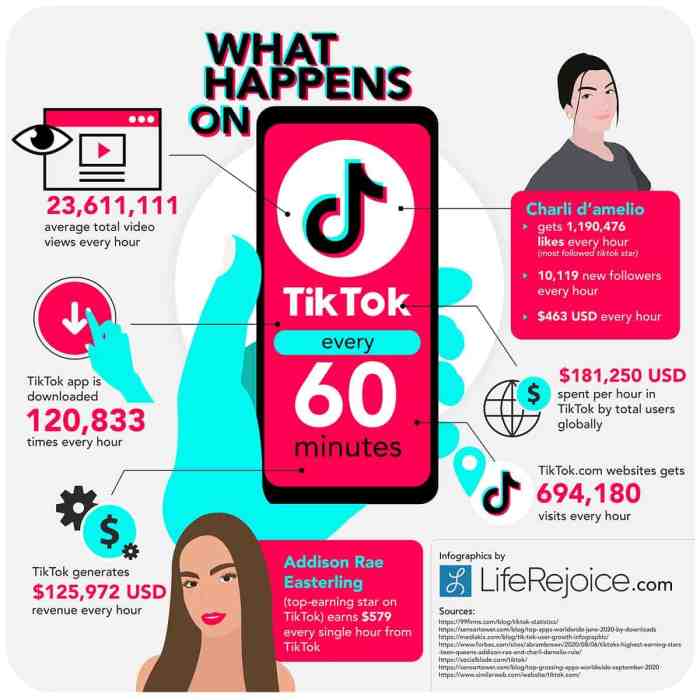
TikTok’s explosive growth presents a significant opportunity for brands, but navigating its unique ecosystem requires understanding its audience and how its algorithm functions. Success hinges on tailoring content to resonate with users and leveraging the platform’s features effectively.TikTok’s user base is notably diverse, yet certain demographic trends emerge. A significant portion of its users fall within the Gen Z and Millennial age brackets, known for their high engagement with short-form video content and their preference for authentic, relatable experiences.

However, TikTok’s reach extends beyond these demographics, encompassing a broader range of ages and interests, making it a powerful tool for targeted marketing campaigns. User behavior is characterized by high levels of daily usage, short attention spans, and a strong preference for visually engaging content.

TikTok Content That Resonates

Understanding what kind of content performs well on TikTok is crucial for brands. High-performing content often features trending sounds, challenges, and dances, demonstrating a willingness to participate in the platform’s cultural zeitgeist. Authenticity and relatability are paramount; users are more likely to engage with content that feels genuine and connects with their experiences. This often manifests in behind-the-scenes glimpses into brand operations, user-generated content campaigns, and collaborations with popular creators.

Effective videos are concise, visually appealing, and often incorporate humor or emotional appeal. Examples include comedic skits showcasing a product’s use, visually stunning product demonstrations, or heartwarming stories about brand values.

TikTok’s Algorithm Compared to Other Platforms

Unlike platforms like Instagram or Facebook that rely heavily on follower counts, TikTok’s algorithm prioritizes content discovery based on user engagement and viewing habits. It uses a sophisticated system that considers factors like video completion rates, likes, shares, comments, and even the time spent watching a video. This means that a new account with high-quality content can quickly gain visibility, unlike other platforms where organic reach is often limited for new profiles.

The algorithm also emphasizes user preferences, serving up videos that align with individual viewing history and interests. This makes it vital for brands to create compelling content that immediately grabs attention and encourages engagement.

Key Features Beneficial for Marketing

TikTok offers a variety of features that are advantageous for marketing. The platform’s built-in editing tools allow brands to create professional-looking videos without needing extensive external software. The ability to incorporate trending sounds and effects enhances discoverability and engagement. The use of hashtags and relevant s aids in search optimization. TikTok Ads provide targeted advertising options, allowing brands to reach specific demographics and interests.

The integration with other social media platforms facilitates cross-promotion and expands reach. Furthermore, the platform’s robust analytics dashboard allows brands to track campaign performance and optimize their strategy based on data-driven insights. For instance, a brand might use analytics to understand which types of content resonate most with their target audience, allowing for refined content creation and increased ROI.

Content Strategy for TikTok Marketing

A successful TikTok marketing strategy requires a deep understanding of the platform’s unique features and its audience. It’s not just about posting videos; it’s about crafting engaging content that resonates with TikTok’s fast-paced, trend-driven environment. A well-defined content strategy is crucial for maximizing reach, engagement, and ultimately, achieving brand goals.

Sample TikTok Content Calendar for a Hypothetical Brand

A content calendar provides structure and ensures consistent posting. This example is for “Coffee Craze,” a fictional coffee shop chain targeting young adults.

Date Day Content Idea Hashtags Sound/Trend
Oct 26 Thursday Behind-the-scenes look at barista making latte art #latteart #coffeelover #coffeeshop #barista #behindthescenes Trending upbeat music
Oct 27 Friday Quick tutorial on how to make the perfect iced coffee at home #icedcoffee #coffeerecipe #diycoffee #homebarista #coffeeshopvibes Popular tutorial sound
Oct 28 Saturday User-generated content: Reposting customer videos enjoying Coffee Craze drinks #coffeecraze #customerlove #usergeneratedcontent #ugc #coffeeshoplife Trending sound related to weekend vibes
Oct 29 Sunday Short, aesthetically pleasing video showcasing the coffee shop’s ambiance #coffeeshopdecor #aesthetic #coffeeaesthetic #sundayvibes #relaxing Calm, relaxing music

Three Video Concepts for a Clothing Brand Targeting Young Adults

The following video concepts showcase diverse approaches to engage a young adult audience on TikTok. Visual appeal and quick cuts are crucial for grabbing attention.

  • Concept 1: Outfit of the Day (OOTD): A fast-paced montage showcasing various outfits using the brand’s clothing, set to trending music. Each outfit should be distinct and visually appealing, highlighting different styles and looks. The video could incorporate text overlays highlighting key pieces or offering links to purchase.
  • Concept 2: Style Challenge/Transformation: A before-and-after video showcasing a style transformation using the brand’s clothing. This could involve a simple change in accessories or a complete makeover. This engages viewers by showing the versatility of the clothes and creating a relatable experience.
  • Concept 3: Collaboration with a TikTok Influencer: Partnering with a relevant influencer to create a sponsored video showcasing the brand’s clothing. This leverages the influencer’s audience and authenticity to reach a wider demographic. The video could incorporate humor, trending sounds, and challenges to increase engagement.

Importance of Using Trending Sounds and Hashtags

Trending sounds and hashtags are essential for increasing visibility and discoverability on TikTok. Using trending sounds makes videos more likely to appear on the “For You” page (FYP), exposing them to a broader audience. Relevant hashtags categorize videos, allowing users searching for specific content to find them. This increases organic reach and engagement.

Examples of Successful TikTok Marketing Campaigns and Their Strategies

Many brands have successfully leveraged TikTok’s unique features. For example, a successful campaign might involve a brand challenge, encouraging users to create videos using a specific sound or hashtag. This generates user-generated content, expands brand reach organically, and creates a sense of community around the brand. Another successful strategy involves partnering with micro-influencers to create authentic and relatable content.

These influencers often have highly engaged audiences, allowing for targeted marketing efforts.

Influencer Marketing on TikTok
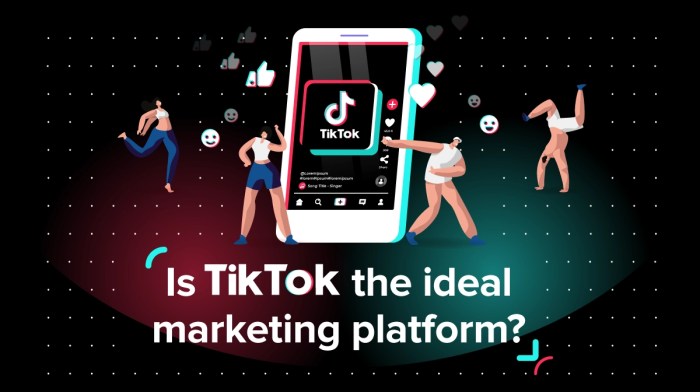
Tiktok tik ganar dinero dominar campaigns influencermarketinghub

Harnessing the power of TikTok influencers can significantly boost brand visibility and engagement. This approach leverages the trust and authenticity influencers have built with their followers, translating into increased brand awareness and potentially higher conversion rates. However, it’s crucial to understand both the advantages and challenges involved before embarking on such a campaign.Influencer marketing on TikTok offers a unique opportunity to reach a highly engaged and receptive audience.

Unlike traditional advertising, influencer marketing feels less intrusive and more genuine, leading to higher levels of audience trust and interaction. This approach allows brands to tap into existing communities and benefit from the influencers’ established credibility.

Benefits and Challenges of TikTok Influencer Collaboration

Collaborating with TikTok influencers presents several advantages, including increased brand awareness, improved reach to target demographics, and enhanced engagement levels. However, challenges include identifying authentic influencers, managing campaign expectations, and measuring return on investment (ROI) effectively. Finding influencers who genuinely align with your brand values and resonate with your target audience is critical for campaign success. Moreover, carefully negotiating contracts and setting clear expectations with influencers are essential to avoid misunderstandings and ensure the campaign runs smoothly.

Finally, accurately measuring the impact of the campaign requires careful tracking of relevant metrics.

Key Metrics for Measuring Influencer Marketing Campaign Success

Several key metrics are crucial for evaluating the success of TikTok influencer marketing campaigns. These metrics provide insights into campaign performance and inform future strategies. Crucially, these should be defined and agreed upon

before* the campaign begins.

  • Reach: The total number of unique users exposed to the campaign content.
  • Engagement: Metrics such as likes, comments, shares, and saves, indicating audience interaction.
  • Website Clicks/Conversions: Tracking clicks from influencer content leading to the brand website or specific calls to action (CTAs).
  • Brand Mentions: Monitoring mentions of the brand across TikTok, reflecting organic reach and brand awareness.
  • Follower Growth: Assessing whether the campaign resulted in a noticeable increase in the brand’s follower count.

These metrics, when analyzed collectively, offer a comprehensive understanding of the campaign’s effectiveness. For example, a high reach with low engagement might suggest a mismatch between the influencer’s audience and the brand’s target market.

Best Practices for Selecting and Collaborating with Relevant Influencers

Choosing the right influencers is paramount. This involves identifying influencers whose audience aligns with the brand’s target demographic and whose content style complements the brand’s voice and values.

  • Audience Alignment: Prioritize influencers whose followers match the brand’s target audience in terms of demographics, interests, and online behavior.
  • Authenticity and Engagement: Select influencers known for genuine interactions with their followers, rather than focusing solely on follower count.
  • Content Style and Brand Alignment: Choose influencers whose content style and aesthetic align with the brand’s image and messaging.
  • Transparency and Disclosure: Ensure influencers clearly disclose their sponsored content according to FTC guidelines.
  • Communication and Collaboration: Maintain open and consistent communication with influencers throughout the campaign, providing clear guidelines and feedback.

Campaign Plan: Influencer Outreach and Content Creation

A well-structured campaign plan is essential for maximizing the effectiveness of influencer marketing efforts. This involves a clear Artikel of the campaign goals, target audience, influencer selection criteria, content strategy, and performance measurement plan. A detailed timeline with key milestones should also be established.

  1. Define Campaign Goals and KPIs: Clearly Artikel the objectives of the campaign, such as increasing brand awareness or driving sales, and identify the key performance indicators (KPIs) to track progress.
  2. Identify and Select Influencers: Research and select influencers who align with the brand’s values, target audience, and campaign goals. This might involve analyzing their engagement rates, audience demographics, and past collaborations.
  3. Develop Content Strategy: Collaborate with influencers to create engaging and authentic content that resonates with their audience and aligns with the brand’s messaging. This could involve various content formats, such as short-form videos, live streams, or challenges.
  4. Negotiate Contracts and Agreements: Establish clear contracts outlining deliverables, payment terms, and usage rights for the created content. Ensure all parties understand their responsibilities and expectations.
  5. Monitor and Analyze Results: Track the campaign’s performance using the pre-defined KPIs. Analyze the data to identify what worked well and areas for improvement in future campaigns.

For example, a clothing brand might collaborate with fashion influencers to showcase new collections through stylish TikTok videos, incorporating branded hashtags and calls to action directing viewers to the brand’s website. The success of this campaign could be measured by tracking website clicks, sales conversions, and brand mentions on TikTok.

TikTok Ads and Paid Promotion

Harnessing the power of TikTok’s massive user base requires a strategic approach to advertising. TikTok Ads offer a diverse range of options to reach your target audience effectively, boosting brand awareness and driving conversions. Understanding the nuances of TikTok’s ad platform is crucial for maximizing your return on investment (ROI).TikTok’s advertising ecosystem provides several formats, each tailored to specific marketing goals.

These options allow for creative flexibility and precise targeting, making it a valuable tool for brands of all sizes. The cost-effectiveness, however, requires careful campaign planning and optimization.

TikTok Ad Formats and Targeting Options

TikTok offers a variety of ad formats, each with its strengths and weaknesses. Choosing the right format depends on your campaign objectives and budget. Effective targeting ensures your ads reach the right audience, maximizing impact and minimizing wasted ad spend.

  • In-Feed Ads: These ads seamlessly blend into the user’s “For You” page (FYP), appearing as organic videos. They offer high engagement rates due to their native feel. Targeting options include demographics, interests, behaviors, and custom audiences. For example, a clothing brand might target users interested in fashion, specific age groups, or those who have interacted with their website.

  • TopView Ads: These full-screen video ads appear at the top of a user’s FYP, offering maximum visibility. They are ideal for launching new products or campaigns, commanding attention immediately. Targeting capabilities mirror those of In-Feed ads, allowing for precise audience selection.
  • Brand Takeover Ads: These ads take over the entire screen for a few seconds when a user opens the app. They are highly impactful, though less targeted than other options. Think of a short, memorable visual that captures the essence of your brand, creating a strong first impression.
  • Spark Ads: These ads leverage existing organic content, amplifying its reach. By boosting a successful organic video, brands can expand their audience efficiently. This approach capitalizes on existing engagement, leveraging organic content’s proven effectiveness.

Cost-Effectiveness of TikTok Ads Compared to Other Platforms

Determining the cost-effectiveness of TikTok ads requires a comparative analysis with other social media platforms like Facebook, Instagram, and YouTube. While direct cost comparisons are difficult due to fluctuating auction dynamics and campaign objectives, general trends can be observed.TikTok’s cost-per-thousand impressions (CPM) and cost-per-click (CPC) can be competitive with, or sometimes higher than, other platforms. However, TikTok’s unique ability to reach a younger, highly engaged audience often justifies the cost for brands targeting this demographic.

A successful TikTok campaign can yield a high return on investment if the creative content resonates strongly with the target audience and the campaign is properly optimized. For example, a brand focusing on Gen Z might find TikTok’s higher cost justifiable given the platform’s strong engagement rates within that demographic.

Creating and Managing a TikTok Ads Campaign

Creating and managing a successful TikTok Ads campaign involves several key steps. Careful planning and consistent monitoring are crucial for optimizing performance and achieving desired results.

  1. Define Campaign Objectives: Clearly define your goals (e.g., brand awareness, website traffic, app installs). This will guide your ad creative and targeting strategies.
  2. Set a Budget: Allocate a realistic budget based on your campaign objectives and available resources. Start with a smaller budget to test different approaches before scaling up.
  3. Develop Compelling Creative: Create engaging video ads that resonate with your target audience. Experiment with different styles and formats to identify what works best.
  4. Target Your Audience: Use TikTok’s robust targeting options to reach the right people. Utilize demographic, interest, and behavioral data to refine your audience selection.
  5. Monitor and Optimize: Regularly track your campaign performance and make adjustments as needed. Analyze key metrics like CPM, CPC, and conversion rates to optimize your strategy.

Setting Up a TikTok Ads Account and Running a Basic Campaign

Setting up a TikTok Ads account and launching a basic campaign is a straightforward process. Follow these steps to get started.

  1. Create a TikTok Ads Manager Account: Visit the TikTok Ads Manager website and create an account using your business information.
  2. Connect Your TikTok Account: Link your existing TikTok business account to the Ads Manager.
  3. Create a Campaign: Choose your campaign objective (e.g., website clicks, app installs). Select your budget and scheduling parameters.
  4. Define Your Targeting: Specify your target audience using TikTok’s targeting options. Be as specific as possible to maximize efficiency.
  5. Upload Your Creative: Upload your video ads ensuring they adhere to TikTok’s specifications.
  6. Review and Launch: Thoroughly review your campaign settings before launching it. Monitor performance closely and make adjustments as needed.

Measuring and Analyzing TikTok Marketing Performance

Understanding how your TikTok marketing campaigns are performing is crucial for optimizing your strategy and maximizing your return on investment (ROI). This involves identifying the right Key Performance Indicators (KPIs), tracking relevant data, and interpreting the results to make data-driven decisions. Effective analysis allows for continuous improvement and ensures your TikTok efforts align with overall business objectives.

Key Performance Indicators (KPIs) for TikTok Marketing Success

Several key metrics provide insights into the effectiveness of your TikTok marketing strategy. These KPIs can be broadly categorized into engagement metrics, reach metrics, and conversion metrics, each offering a different perspective on campaign success. Focusing on a balanced set of KPIs provides a comprehensive understanding of performance.

Tracking Website Traffic and Conversions from TikTok

Tracking website traffic and conversions originating from TikTok requires implementing proper tracking mechanisms. This usually involves using UTM parameters in your TikTok links to differentiate traffic from other sources. By adding UTM parameters to your website links shared on TikTok, you can accurately attribute website visits and conversions directly to your TikTok campaigns in Google Analytics or other analytics platforms.

This provides valuable insights into the effectiveness of your TikTok content in driving traffic and conversions. For example, a link might look like this: `www.yourwebsite.com/?utm_source=tiktok&utm_medium=social&utm_campaign=summer_sale`. The parameters clearly identify the source (TikTok), medium (social), and specific campaign.

Interpreting TikTok Analytics Data to Optimize Campaigns

TikTok’s built-in analytics dashboard provides a wealth of data. Analyzing this data involves looking beyond vanity metrics like likes and views and focusing on engagement rate, video completion rate, and conversion rates. A low engagement rate might suggest the need for more engaging content or a change in targeting. A high video completion rate indicates strong content, while low conversion rates might signal issues with the call to action or landing page.

Regularly reviewing these analytics, comparing performance across different campaigns, and identifying trends are key to campaign optimization. For example, if a specific hashtag is underperforming, consider replacing it with a more relevant one. If a particular type of content consistently receives lower engagement, you might adjust your content strategy accordingly.

TikTok Marketing KPIs: Measurement and Definition

KPI Definition Measurement Method Example
Profile Views The number of times users viewed your TikTok profile. TikTok Analytics dashboard 10,000 profile views in a month
Video Views The total number of times your videos were viewed. TikTok Analytics dashboard 500,000 video views for a specific campaign
Engagement Rate The percentage of viewers who interacted with your video (likes, comments, shares). (Total interactions / Total views) – 100 15% engagement rate indicating high audience interest
Website Clicks The number of clicks on links leading to your website. TikTok Analytics dashboard (with UTM parameters) 2,000 clicks leading to a product page
Conversion Rate The percentage of website visitors who completed a desired action (purchase, sign-up). Google Analytics (with UTM parameters) 5% conversion rate from TikTok traffic indicating effective call to action
Average Watch Time The average length of time users spent watching your videos. TikTok Analytics dashboard An average watch time of 60% indicates high viewer engagement
Follower Growth The increase in the number of followers over a specific period. TikTok Analytics dashboard A 10% increase in followers within a week
Cost Per Click (CPC) The cost incurred for each click on your TikTok ads. TikTok Ads Manager $0.50 CPC indicates efficient ad spending

TikTok Marketing Best Practices and Case Studies

Tiktok

Successful TikTok marketing hinges on understanding the platform’s unique dynamics and adapting strategies accordingly. This involves more than just creating engaging videos; it requires a deep understanding of the TikTok community and a commitment to consistent brand building. By learning from successful brands and implementing best practices, businesses can leverage TikTok’s power to reach a vast and engaged audience.Effective TikTok marketing isn’t just about viral trends; it’s about building a genuine connection with the TikTok community.

This requires consistent effort, creative content, and a responsive approach to user interaction. This section will explore key best practices and analyze successful case studies to illustrate how brands can effectively utilize the platform.

Successful TikTok Marketing Campaigns

Several brands have demonstrated the effectiveness of TikTok marketing through innovative and engaging campaigns. For example, Chipotle’s use of user-generated content (UGC) campaigns, encouraging customers to create videos using their products and a branded hashtag, significantly increased brand awareness and engagement. Similarly, Duolingo’s humorous and relatable content has resonated deeply with its target audience, establishing a strong brand presence and fostering a loyal community.

These campaigns demonstrate the power of authenticity, creativity, and community engagement in driving successful TikTok marketing results. Another strong example is the way that Ryanair uses TikTok to showcase travel deals and destinations, appealing to a younger demographic. They leverage humor and quick, engaging videos to build brand awareness and drive bookings.

Maintaining Brand Consistency and Voice on TikTok

Maintaining a consistent brand voice and visual identity on TikTok is crucial for building recognition and trust. This means using consistent colors, fonts, and overall aesthetic across all your videos. Furthermore, the brand’s personality should shine through in the tone and style of your videos – whether it’s playful, informative, or sophisticated. A cohesive brand presence across all platforms ensures that users recognize your brand, regardless of where they encounter it.

Consistency in messaging and tone is key to reinforcing brand identity and avoiding confusion among viewers.

The Importance of Community Engagement and Responding to Comments

Engaging with your TikTok community is paramount for building relationships and fostering brand loyalty. Responding to comments, both positive and negative, demonstrates that you value your audience’s input and are actively listening. This fosters a sense of community and encourages further interaction. Actively participating in conversations, answering questions, and acknowledging user-generated content shows genuine appreciation for your audience and helps cultivate a loyal following.

Ignoring comments, particularly negative ones, can damage your brand’s reputation and create a perception of disinterest or aloofness.

Handling Negative Comments and Maintaining a Positive Brand Image

Negative comments are inevitable on any social media platform, including TikTok. However, responding thoughtfully and professionally is crucial for maintaining a positive brand image. Addressing concerns directly, acknowledging valid criticisms, and offering solutions when appropriate can turn a negative experience into an opportunity to demonstrate your brand’s commitment to customer satisfaction. Ignoring or deleting negative comments often exacerbates the situation and can damage your brand’s reputation.

A well-crafted response that shows empathy and a willingness to address concerns can significantly mitigate negative impact and strengthen your brand’s credibility.

Integrating TikTok into a Holistic Digital Marketing Strategy

TikTok, with its unique short-form video format and massive user base, offers brands a powerful opportunity to connect with audiences in a highly engaging way. However, to maximize its impact, TikTok should be strategically integrated into a broader digital marketing plan, working in synergy with other channels rather than existing in isolation. This ensures a cohesive brand message and optimized reach across various platforms.TikTok’s role within a comprehensive digital marketing strategy depends heavily on the brand’s overall goals and target audience.

It excels at building brand awareness and driving engagement through creative, trend-based content. However, its effectiveness in driving direct sales might be less pronounced than channels like e-commerce platforms. A well-defined strategy ensures TikTok contributes meaningfully to the larger marketing objectives, whether it’s increasing brand recognition, generating leads, or boosting sales.

TikTok’s Position Within the Digital Marketing Ecosystem

TikTok’s strengths lie in its ability to capture attention quickly with visually appealing content. Unlike platforms like YouTube, which often involve longer-form videos and in-depth explanations, TikTok thrives on short, punchy videos that leverage trends and challenges. Compared to Instagram, which offers a broader range of content formats (photos, Stories, Reels), TikTok’s focus on video creates a more immersive and immediate user experience.

This difference necessitates a tailored content strategy for each platform, reflecting the unique characteristics of each audience and the optimal format for message delivery. For example, a behind-the-scenes look at product creation might be better suited for Instagram Stories, while a catchy dance challenge showcasing the product could be ideal for TikTok.

Driving Traffic from TikTok to Other Platforms

A crucial aspect of integrating TikTok into a broader strategy is using it to drive traffic to other online platforms, such as a brand’s website or e-commerce store. This can be achieved through several methods. Including clear calls to action (CTAs) in TikTok videos, such as visiting a website link in the bio or using a unique promo code, directly guides users to other platforms.

Cross-promotion, where TikTok content teases or previews content available elsewhere (e.g., a longer video on YouTube or an exclusive offer on the brand website), encourages users to explore other channels. Utilizing QR codes in TikTok videos provides a quick and easy way to direct users to specific landing pages or online stores.

Integrating TikTok into a Multi-Channel Campaign: A Fictitious Example

Let’s consider “CozyKnitCo,” a fictional company selling handcrafted knitwear. Their goal is to increase brand awareness and drive sales through a multi-channel campaign incorporating TikTok.

A successful integration requires a phased approach:

  • Phase 1: Audience Research and Platform Selection: Analyze CozyKnitCo’s target audience to understand their TikTok usage habits and preferences. This informs content creation and influencer selection.
  • Phase 2: Content Strategy Development: Create a content calendar featuring a mix of behind-the-scenes glimpses of the knitting process, showcasing the finished products in stylish ways, and engaging with trending sounds and challenges. This ensures a consistent brand presence and avoids overwhelming the audience.
  • Phase 3: Influencer Marketing Integration: Partner with relevant micro-influencers in the fashion and lifestyle niches to promote CozyKnitCo’s products authentically. This expands reach and builds trust with the target audience.
  • Phase 4: Cross-Platform Promotion: Use TikTok to tease new product launches or exclusive offers available on the CozyKnitCo website. Include clear CTAs in all videos directing users to the website for purchases.
  • Phase 5: Performance Monitoring and Optimization: Track key metrics like engagement, website traffic, and sales conversions to assess the campaign’s effectiveness and make data-driven adjustments.

Ethical Considerations in TikTok Marketing

TikTok’s massive reach and influence present unique ethical challenges for brands. Navigating these responsibly is crucial for maintaining trust with consumers and avoiding reputational damage. This section explores key ethical considerations in TikTok marketing, focusing on user-generated content, influencer collaborations, transparency, and deceptive practices.Ethical Implications of Using User-Generated Content in Marketing CampaignsUser-generated content (UGC) is a powerful tool in TikTok marketing, leveraging the authenticity of real users to promote products or services.

However, ethical concerns arise when brands use UGC without proper consent or compensation. Using someone’s video without permission is a clear breach of copyright and could lead to legal action. Even with permission, transparency about the use of UGC is paramount. For instance, if a brand is paying users for their content, this should be clearly disclosed.

Failure to do so can erode consumer trust and damage brand reputation. Furthermore, brands should ensure that the UGC used aligns with their brand values and avoids potentially harmful or offensive content.

Risks Associated with Influencer Marketing Collaborations

Influencer marketing on TikTok presents significant potential risks if not managed ethically. One major risk is a lack of transparency. If an influencer fails to disclose their sponsored content, it constitutes deceptive advertising. This can severely damage both the influencer’s and the brand’s credibility. Another risk is selecting influencers whose values and audience don’t align with the brand.

This can lead to negative associations and backlash from consumers. Furthermore, there’s the risk of associating with influencers involved in scandals or controversies, which can reflect negatively on the brand. Brands must conduct thorough due diligence before entering into any influencer collaborations, carefully vetting potential partners to ensure alignment and avoid reputational risks. Contracts should clearly Artikel expectations regarding disclosure, content creation, and brand alignment.

Maintaining Transparency and Authenticity in TikTok Marketing

Transparency and authenticity are key to building trust with TikTok audiences. Brands should clearly disclose sponsored content, using appropriate hashtags such as #ad or #sponsored. They should also avoid misleading or deceptive claims about products or services. Authenticity can be achieved by creating genuine and engaging content that resonates with the TikTok community. This involves understanding TikTok’s unique culture and creating content that is relevant and entertaining, rather than purely promotional.

For example, instead of simply advertising a product, brands can create challenges, use trending sounds, and collaborate with creators to generate organic and engaging content. Authenticity builds trust, leading to increased engagement and loyalty.

Strategies to Avoid Misleading or Deceptive Marketing Practices

Misleading or deceptive marketing practices on TikTok can have severe consequences. Brands should avoid making false or unsubstantiated claims about their products or services. They should also avoid using manipulative tactics to influence consumer behavior, such as employing misleading testimonials or exploiting vulnerabilities in the audience. It’s crucial to adhere to advertising standards and regulations, ensuring that all claims are accurate and verifiable.

Transparency in pricing, terms, and conditions is also essential. For instance, if a brand is running a contest or giveaway, the rules and eligibility criteria should be clearly stated. Avoiding deceptive practices protects the brand’s reputation and builds long-term trust with consumers.

Mastering TikTok marketing for brands isn’t just about creating viral videos; it’s about building authentic connections and driving meaningful results. By understanding the platform’s nuances, developing a robust content strategy, and leveraging the power of data-driven insights, brands can effectively utilize TikTok to achieve their marketing objectives. Remember that consistent engagement, ethical practices, and a holistic approach are key to long-term success in this dynamic environment.

General Inquiries

What is the optimal posting frequency on TikTok for brands?

There’s no one-size-fits-all answer; it depends on your audience and content strategy. Experiment to find what works best, but consistency is key. Aim for a schedule that allows for regular, high-quality content.

How can I measure the ROI of my TikTok marketing efforts?

Track key performance indicators (KPIs) like website clicks, conversions, engagement rate, and brand mentions. TikTok analytics provides valuable data to assess campaign performance and make data-driven adjustments.

How do I handle negative comments on my TikTok videos?

Respond professionally and empathetically, addressing concerns directly. Don’t engage in arguments, but show you value your audience’s feedback. For severe negativity, consider deleting comments that violate community guidelines.

What are some common mistakes brands make on TikTok?

Ignoring trends, failing to engage with the community, inconsistent branding, neglecting analytics, and producing low-quality content are common pitfalls. Researching best practices and staying updated on platform changes can help avoid these issues.
Digital Marketing Trends 2024 Emerging Technologies and Strategies

Digital Marketing Trends 2024

With Digital Marketing Trends 2024 at the forefront, this paragraph opens a window to an amazing start and intrigue, inviting readers to embark on a storytelling casual formal language style filled with unexpected twists and insights.

As we look ahead to 2024, the landscape of digital marketing is set to undergo significant transformations with the rise of new technologies and strategies reshaping how businesses connect with their audiences.

DIGITAL MARKETING

Digital Marketing Trends 2024

Digital marketing is the use of digital channels, platforms, and technologies to promote products or services to targeted audiences. In today’s business landscape, digital marketing plays a crucial role in reaching and engaging with consumers in a personalized and efficient manner.

Key Components of a Successful Digital Marketing Strategy

A successful digital marketing strategy comprises several key components that work together to achieve marketing goals. These components include:

  • Search Engine Optimization (): Optimizing website content to rank higher in search engine results and attract organic traffic.
  • Content Marketing: Creating and distributing valuable, relevant content to attract and retain a clearly defined audience.
  • Social Media Marketing: Utilizing social media platforms to connect with audiences, build brand awareness, and drive engagement.
  • Email Marketing: Sending targeted messages to leads and customers to nurture relationships and promote products or services.
  • Pay-Per-Click (PPC) Advertising: Running paid advertising campaigns on search engines and social media platforms to drive traffic and conversions.

Benefits of Digital Marketing Over Traditional Marketing Methods

Digital marketing offers several advantages over traditional marketing methods, including:

  • Targeted Reach: Digital marketing allows businesses to target specific audiences based on demographics, interests, and online behavior.
  • Cost-Effectiveness: Compared to traditional marketing, digital marketing is often more affordable and offers better ROI due to its ability to track and measure results in real-time.
  • Global Exposure: With digital marketing, businesses can reach a global audience without physical boundaries, expanding their reach and potential customer base.
  • Interactivity and Engagement: Digital marketing enables two-way communication between businesses and customers, fostering engagement and building relationships.
  • Data-Driven Insights: Digital marketing provides valuable data and insights into consumer behavior, preferences, and campaign performance, allowing for continuous optimization and improvement.

Digital Marketing Trends 2024

In 2024, digital marketing is expected to be heavily influenced by emerging technologies that will revolutionize the industry. Artificial intelligence will play a significant role in shaping marketing strategies, while voice search and smart speakers are set to become integral tools in future campaigns.

Emerging Technologies in Digital Marketing

As we move into 2024, several emerging technologies are poised to transform the digital marketing landscape. These technologies include:

  • Augmented Reality (AR) and Virtual Reality (VR) for immersive brand experiences.
  • Blockchain for secure and transparent transactions.
  • 5G technology for faster connectivity and enhanced user experiences.
  • Internet of Things (IoT) for personalized marketing strategies based on real-time data.

Impact of Artificial Intelligence on Marketing Strategies

Artificial intelligence is set to revolutionize digital marketing by enabling more personalized and targeted campaigns. AI-powered tools can analyze vast amounts of data to understand consumer behavior, optimize ad performance, and automate tasks such as content creation and email marketing. This technology will allow marketers to deliver tailored messages to the right audience at the right time, increasing engagement and conversion rates.

Role of Voice Search and Smart Speakers in Marketing Campaigns

Voice search and smart speakers are becoming increasingly popular, with more consumers using voice commands to search for information and make purchases. Marketers need to optimize their content for voice search to ensure visibility in this growing channel. Smart speakers offer a new way to interact with consumers, providing opportunities for brands to engage with their audience through voice-activated experiences and personalized recommendations.

Personalization in Marketing

Digital Marketing Trends 2024

Personalization in marketing has become increasingly important as brands strive to create more targeted and engaging campaigns for their audience. By tailoring content and messaging to individual preferences and behaviors, companies can build stronger relationships with customers and drive higher conversion rates.

Significance of Personalized Marketing Campaigns

Personalized marketing campaigns are crucial for connecting with consumers on a more personal level. By delivering relevant content based on user data, brands can capture attention, increase engagement, and ultimately drive sales. This level of customization can help differentiate a brand from its competitors and foster brand loyalty.

Use of Data Analytics and AI in Personalized Marketing

  • Data analytics plays a crucial role in personalized marketing by helping brands gather and analyze customer data to understand preferences and behaviors.
  • AI technologies enable brands to automate the process of personalization by leveraging machine learning algorithms to deliver tailored content in real-time.
  • By combining data analytics and AI, brands can create dynamic and personalized experiences for customers across various touchpoints, leading to higher conversion rates and improved customer satisfaction.

Leveraging Personalization for Customer Engagement and Loyalty

  • Personalization can enhance customer engagement by delivering relevant content that resonates with individual interests and needs.
  • By customizing product recommendations, messaging, and promotions, brands can create a more personalized shopping experience that encourages repeat purchases and builds customer loyalty.
  • Through continuous optimization and testing, brands can refine their personalized marketing strategies to better meet the evolving needs and preferences of their audience, ultimately driving long-term customer relationships.

Video Marketing

Video marketing has become increasingly popular in the digital marketing landscape, with more brands utilizing videos to engage with their audience. The use of video content allows for more dynamic and interactive ways to showcase products and services, making it a powerful tool in capturing consumer attention.

Effectiveness of Video Marketing

  • Video content has been shown to significantly increase engagement rates on social media platforms.
  • Consumers are more likely to remember and share video content compared to text or image-based content.
  • Videos can convey emotions and storytelling better, creating a stronger connection with the audience.

Examples of Successful Video Marketing Campaigns

  • The “Share a Coke” campaign by Coca-Cola utilized personalized video content to engage customers, leading to a significant increase in brand awareness and sales.
  • Dollar Shave Club’s viral video campaign effectively communicated their brand message and value proposition, resulting in a massive increase in subscribers and brand recognition.
  • The ALS Ice Bucket Challenge used user-generated video content to raise awareness and donations for the cause, showcasing the power of video in driving social impact.

Influencer Marketing

Influencer marketing has become a crucial component of digital marketing strategies in recent years, leveraging the influence of individuals with a large following on social media platforms to promote products and services. This form of marketing allows brands to connect with their target audience in a more authentic and engaging way.

Role of Influencers in Digital Marketing

Influencers play a significant role in digital marketing strategies by acting as trusted advocates for brands. Their ability to create relatable content and engage with their followers on a personal level makes them valuable partners for brands looking to increase brand awareness, drive traffic, and boost sales.

  • Influencers help brands reach a wider audience by tapping into their existing follower base.
  • They create authentic content that resonates with their followers, leading to higher levels of engagement.
  • By collaborating with influencers, brands can humanize their marketing efforts and build stronger connections with consumers.

Trends in Influencer Marketing

The landscape of influencer marketing is constantly evolving, with new trends shaping the way brands collaborate with influencers to create impactful campaigns. Some of the key trends in influencer marketing include:

  1. Micro-influencers gaining popularity for their niche audiences and high engagement rates.
  2. Long-term partnerships between brands and influencers to build lasting relationships and credibility.
  3. The rise of video content as a preferred medium for influencer collaborations, especially on platforms like TikTok and Instagram Reels.

Collaborating with Influencers Effectively

To effectively reach their target audience through influencer marketing, brands should consider the following strategies:

  1. Identify influencers whose values align with the brand’s image and target audience.
  2. Clearly define campaign objectives and expectations to ensure a successful partnership.
  3. Encourage creative freedom for influencers to authentically promote the brand while staying true to their own style.

In conclusion, Digital Marketing Trends 2024 offer a glimpse into the future of marketing, highlighting the importance of staying ahead of the curve and embracing innovative approaches to engage customers in a rapidly evolving digital world.

FAQ Overview

What are the key components of a successful digital marketing strategy?

A successful digital marketing strategy includes elements such as , content marketing, social media engagement, and data analytics.

How can brands effectively collaborate with influencers for marketing purposes?

Brands can collaborate with influencers by identifying the right influencers for their target audience, establishing clear goals and expectations, and fostering authentic relationships.

Video Marketing Strategies for Businesses

Retail grocery performances pursue constructive boost

Unlocking the power of video marketing for businesses requires a strategic approach. This comprehensive guide delves into the essential elements of crafting, distributing, and analyzing video campaigns that resonate with your target audience and drive tangible results. From defining clear objectives and selecting the right video formats to mastering production techniques and leveraging data-driven optimization, we explore the multifaceted world of video marketing.

We will cover everything from creating compelling narratives to choosing the ideal platforms for distribution and measuring the success of your campaigns. By the end, you’ll possess the knowledge and tools to effectively integrate video marketing into your overall digital strategy, maximizing its impact on brand awareness, lead generation, and ultimately, your bottom line.

Types of Videos for Business Promotion

Difficulty

Choosing the right video format is crucial for effective business promotion. Different video types cater to various audience needs and marketing objectives. Understanding their strengths and weaknesses allows for strategic deployment, maximizing impact and return on investment.

Effective video marketing requires a diverse approach. By utilizing a range of video styles, businesses can reach a wider audience and build stronger brand connections. This section will explore five key video formats and their suitability for business promotion.

Explainer Videos

Explainer videos concisely communicate complex information or product features in an engaging manner. They are particularly effective for introducing new products or services, clarifying intricate processes, or educating customers about a company’s mission. Their strength lies in their ability to simplify complex topics, making them easily digestible for viewers. However, they require careful planning and scripting to ensure clarity and avoid information overload.

A well-crafted explainer video can significantly improve customer understanding and drive conversions. Poorly executed explainer videos, on the other hand, can be confusing and ultimately ineffective.

Product Demo Videos

Product demo videos showcase a product’s functionality and benefits. These videos are highly effective in demonstrating how a product works, highlighting its key features, and addressing potential customer questions. The strength of a product demo video lies in its ability to visually engage the audience and build trust through demonstrable proof of the product’s capabilities. However, they can be time-consuming and expensive to produce, requiring high-quality filming and editing.

Furthermore, a poorly executed demo can fail to highlight key features or even reveal product flaws.

Testimonial Videos

Testimonial videos feature satisfied customers sharing their positive experiences with a product or service. They leverage the power of social proof, building trust and credibility with potential customers. The strength of testimonials lies in their authenticity and persuasive nature. However, obtaining genuine and compelling testimonials can be challenging, requiring careful selection and potentially some incentivization. Furthermore, inauthentic or overly staged testimonials can damage credibility.

Behind-the-Scenes Videos

Behind-the-scenes videos offer a glimpse into a company’s culture, processes, or team. These videos humanize the brand, building stronger connections with the audience. The strength of these videos lies in their ability to foster a sense of community and transparency, increasing audience engagement and brand loyalty. However, they require careful planning to ensure that the content is engaging and relevant to the target audience.

A poorly executed behind-the-scenes video can feel forced or inauthentic.

Brand Story Videos

Brand story videos narrate a company’s history, mission, and values. They create a deeper emotional connection with the audience, fostering brand loyalty and advocacy. The strength of brand story videos lies in their ability to connect with viewers on a personal level, building trust and understanding. However, these videos require a strong narrative and compelling storytelling to resonate with the audience.

A poorly executed brand story video can be dull and ineffective.

Comparison of Video Types

Format Purpose Production Cost Audience Engagement
Explainer Video Educate, clarify, introduce Medium Medium to High
Product Demo Video Showcase features, benefits Medium to High High
Testimonial Video Build trust, social proof Low to Medium High
Behind-the-Scenes Video Humanize brand, build community Low to Medium Medium to High
Brand Story Video Connect emotionally, build loyalty Medium to High High

Creative Video Concepts for a Handmade Jewelry Business

Here are three creative video concepts for a hypothetical handmade jewelry business:

The following concepts aim to leverage different video types to showcase the unique aspects of the handmade jewelry, engage the target audience, and drive sales.

  1. “Crafting with Passion”: A behind-the-scenes video showcasing the artisan’s process, from selecting materials to the final polishing. This video humanizes the brand, highlighting the craftsmanship and passion behind each piece. It could include close-ups of intricate details and soothing background music.
  2. “Customer Spotlight”: A series of short testimonial videos featuring satisfied customers wearing the jewelry and sharing their experiences. This utilizes the power of social proof to build trust and showcase the jewelry in real-life settings. Each video could focus on a different customer and their unique story.
  3. “The Story Behind the Design”: A brand story video explaining the inspiration and meaning behind a specific collection. This video could delve into the artisan’s personal experiences or cultural influences that shaped the design. It would aim to create an emotional connection with the audience, adding value beyond the mere aesthetic appeal of the jewelry.

Video Distribution and Promotion Strategies

Retail grocery performances pursue constructive boost

Getting your business videos in front of the right audience is crucial for success. Effective distribution involves strategic placement across various platforms, coupled with targeted promotional campaigns to maximize reach and engagement. This section explores key distribution channels and promotional strategies to amplify your video’s impact.Choosing the right platforms for your business videos is a critical step in reaching your target audience.

Each platform offers unique advantages and disadvantages, requiring a strategic approach to maximize your video’s visibility and impact.

Video Distribution Platforms

The selection of distribution platforms should align with your target audience’s online behavior. A diverse approach, utilizing multiple channels, is generally recommended to broaden reach.

  • YouTube: YouTube remains the dominant video-sharing platform. Advantages include a massive user base, built-in analytics, and the potential for organic reach through search optimization. However, competition is fierce, and achieving high rankings requires consistent effort and high-quality content.
  • Social Media Platforms (Facebook, Instagram, TikTok, LinkedIn): Each platform caters to a different demographic and content style. Facebook offers broad reach, while Instagram prioritizes visually appealing content. TikTok thrives on short, engaging videos, and LinkedIn is ideal for professional networking. The disadvantages include platform-specific algorithm changes and the need to tailor content to each platform’s unique audience.
  • Website Embedding: Embedding videos directly on your website increases user engagement and improves . This provides a controlled environment, but relies on users visiting your website organically or through other marketing efforts. The disadvantage is that it limits reach compared to broader social media distribution.
  • Email Marketing: Including video links in email newsletters can drive traffic to your videos and increase engagement with your brand. However, email open rates can be inconsistent, and the effectiveness depends on the quality of your email list and the relevance of the video to your subscribers.

Social Media Promotion Plan

A coordinated promotional strategy across different social media platforms is vital for maximizing video visibility. This example showcases a plan for promoting a video about a new product launch:

  • Facebook: Utilize Facebook’s targeting options to reach specific demographics based on interests, age, location, etc. Run a short video ad with compelling visuals and a clear call to action (e.g., “Shop Now,” “Learn More”). Post the full video on your Facebook page with engaging captions and relevant hashtags.
  • Instagram: Create visually appealing Instagram Reels or Stories showcasing short, attention-grabbing clips from the main video. Use relevant hashtags and engage with comments to increase interaction. Run Instagram ads targeting users interested in similar products or brands.
  • TikTok: Leverage trending sounds and challenges to increase visibility. Create short, dynamic TikTok videos highlighting key features of the product. Collaborate with relevant influencers to expand reach and credibility. Use TikTok’s ad platform to target users based on demographics and interests.

Paid Advertising for Video Reach

Paid advertising significantly boosts video reach and engagement, particularly on platforms with large user bases and competitive algorithms. Paid campaigns allow for precise targeting, enabling you to reach your ideal audience efficiently.

  • Targeted Advertising: Platforms like YouTube, Facebook, Instagram, and TikTok offer sophisticated targeting options based on demographics, interests, behaviors, and even specific s. This ensures your video ads are shown to the most relevant users, maximizing your return on investment.
  • Campaign Optimization: Regularly monitor your campaign performance and adjust your targeting, bidding strategies, and creative assets based on the data. A/B testing different ad variations can help identify what resonates most effectively with your audience.
  • Budget Allocation: Allocate your advertising budget strategically across different platforms based on your target audience’s behavior and the cost per click/view on each platform. Start with a smaller budget to test different approaches before scaling up your investment.

Integrating Video Marketing into a Holistic Digital Marketing Strategy

Video marketing shouldn’t exist in a silo; it’s most effective when interwoven with other digital marketing strategies to create a powerful, unified approach. A well-integrated video strategy amplifies your message across multiple channels, boosting reach, engagement, and ultimately, conversions. This synergistic approach maximizes your marketing ROI and builds a stronger brand presence.Successful video marketing complements other digital channels by enhancing their effectiveness.

By strategically incorporating video into your existing strategies, you leverage the unique strengths of each channel to create a holistic and powerful marketing ecosystem.

Video Marketing’s Synergy with Other Digital Channels

Video content significantly enhances the impact of various digital marketing channels. For instance, embedding videos on your website improves user engagement and reduces bounce rates, which in turn positively impacts . Using short, engaging video clips on social media platforms increases visibility and encourages shares, expanding your reach organically. Including video links in email newsletters can significantly boost click-through rates and drive traffic to your website.

Creating a Cohesive Marketing Funnel with Video

A well-structured marketing funnel guides potential customers through the buyer’s journey, from initial awareness to final conversion. Video can play a vital role at each stage. Top-of-the-funnel videos, such as explainer videos or brand story videos, introduce your brand and build awareness. Mid-funnel videos, such as product demos or customer testimonials, nurture leads and build trust. Bottom-of-the-funnel videos, such as case studies or product tutorials, encourage conversions by showcasing the value proposition and guiding potential customers toward purchase.

This multi-stage approach uses video to address the specific needs and interests of customers at each point in their journey.

Examples of Successful Video Marketing Integration

Many businesses successfully integrate video marketing into their overall digital strategies. For example, HubSpot consistently uses video across their website, blog, social media, and email marketing. Their explainer videos clearly communicate complex concepts, while their customer testimonials build trust and credibility. Similarly, Dollar Shave Club’s viral marketing video launched their brand into the mainstream, effectively leveraging social media and email marketing to build brand awareness and drive sales.

These examples demonstrate how strategic video integration can significantly boost brand visibility and drive business growth. The key is to create high-quality, engaging content that aligns with your overall marketing objectives and target audience.

Effective video marketing is not just about creating visually appealing content; it’s about crafting a cohesive strategy that aligns with your business goals, engages your audience, and drives measurable results. By meticulously planning your campaigns, utilizing diverse video formats, and consistently analyzing performance data, you can harness the power of video to elevate your brand, connect with customers, and achieve sustainable growth.

Remember, a well-executed video marketing strategy is an investment that yields significant returns.

Questions and Answers

What is the ideal video length for business promotion?

There’s no one-size-fits-all answer. Optimal length depends on the platform, content type, and audience. Keep it concise and focused on delivering value.

How can I measure the ROI of my video marketing efforts?

Track key metrics like website traffic from video embeds, lead generation from calls-to-action, sales conversions attributed to video views, and social media engagement.

What are some common video marketing mistakes to avoid?

Poor audio quality, irrelevant content, lack of a clear call to action, and neglecting audience engagement are common pitfalls.

How often should I post videos?

Consistency is key, but the frequency depends on your resources and audience engagement. Start with a manageable schedule and adjust based on performance.

Should I use professional video production or DIY?

The best approach depends on your budget and technical skills. High-quality production enhances professionalism, but DIY options can be cost-effective for smaller businesses.

Marketing Automation Tools 2024 A Comprehensive Guide

Marketing Automation Tools 2024

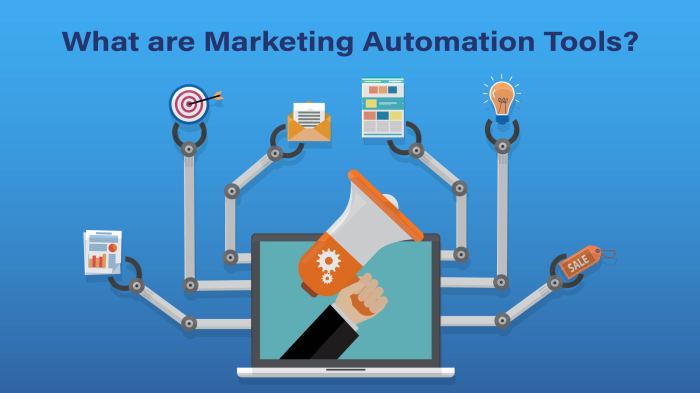
The marketing landscape is constantly evolving, and 2024 promises to be no different. This guide delves into the crucial role of marketing automation tools in navigating this dynamic environment. We’ll explore the top contenders, emerging trends like the increasing influence of AI, and the importance of data privacy. We’ll also examine successful integration strategies across various digital channels and provide actionable insights into measuring ROI and overcoming common implementation challenges.

From understanding key performance indicators to predicting the future of the field, this comprehensive overview equips marketers with the knowledge and strategies needed to leverage automation effectively and achieve significant results. We’ll cover everything from choosing the right tool for your needs to optimizing campaigns for maximum impact, ensuring you’re well-prepared for the future of marketing.

Top Marketing Automation Tools in 2024

Marketing automation tools are crucial for businesses of all sizes seeking to streamline their marketing efforts, improve efficiency, and ultimately, boost ROI. The right tool can significantly enhance lead generation, nurture prospects, and personalize customer interactions, leading to increased conversions and stronger customer relationships. Choosing the best platform depends heavily on specific business needs and budget constraints.

Top 10 Marketing Automation Tools and Their Unique Selling Propositions

Selecting the optimal marketing automation platform requires careful consideration of several factors. The following table compares ten leading tools, highlighting their key features, pricing models, and target audiences. Note that pricing can vary based on specific features and user volume.

Name Key Features Pricing Model Target Audience
HubSpot CRM integration, email marketing, landing pages, social media management, analytics dashboards. Strong emphasis on inbound marketing. Freemium, tiered pricing Small to enterprise businesses, particularly those focused on inbound marketing strategies.
Marketo Advanced lead scoring and segmentation, account-based marketing (ABM) capabilities, robust analytics and reporting. Known for its sophistication. Subscription-based, enterprise-level pricing Large enterprises with complex marketing needs and dedicated marketing teams.
Salesforce Marketing Cloud Highly scalable platform with advanced features for email marketing, personalization, journey building, and cross-channel campaign management. Deep Salesforce ecosystem integration. Subscription-based, enterprise-level pricing Large enterprises with significant marketing budgets and complex marketing operations.
ActiveCampaign Powerful automation features, excellent email marketing capabilities, robust CRM integration, and advanced segmentation. Known for its ease of use. Subscription-based, tiered pricing Small to medium-sized businesses, particularly those prioritizing email marketing and automation.
Pardot (Salesforce) B2B focused platform with strong lead scoring, engagement tracking, and sales alignment capabilities. Seamless integration with Salesforce. Subscription-based, enterprise-level pricing B2B businesses seeking to improve lead nurturing and sales conversion rates.
SharpSpring Marketing automation, CRM, and website analytics all in one platform. Strong focus on ROI tracking and reporting. Subscription-based, tiered pricing Small to medium-sized businesses seeking a comprehensive marketing platform.
Drip E-commerce focused platform with strong email marketing, segmentation, and automation features. Excellent for personalized customer journeys. Subscription-based, tiered pricing E-commerce businesses seeking to improve customer retention and lifetime value.
Ontraport All-in-one marketing platform with CRM, email marketing, membership sites, and e-commerce capabilities. Highly customizable. Subscription-based, tiered pricing Businesses needing a comprehensive, customizable platform.
Zoho CRM + Marketing Automation Integrated CRM and marketing automation platform. Offers a wide range of features at a competitive price. Subscription-based, tiered pricing Small to medium-sized businesses seeking an affordable, integrated solution.
GetResponse Email marketing, landing pages, webinars, automation, and sales funnels. User-friendly interface. Subscription-based, tiered pricing Small to medium-sized businesses looking for a comprehensive email marketing and automation solution.

Successful Marketing Campaigns Using Marketing Automation Tools

Many successful campaigns leverage marketing automation. For example, a B2B SaaS company using Marketo implemented an account-based marketing strategy, focusing on high-value prospects. This resulted in a 30% increase in qualified leads and a 20% improvement in sales conversion rates within six months. Another example involves an e-commerce company utilizing Drip to personalize email sequences based on customer purchase history and website behavior.

This led to a 15% increase in customer lifetime value and a significant reduction in churn rate. These successes highlight the power of strategic marketing automation implementation.

Emerging Trends in Marketing Automation

The marketing automation landscape is constantly evolving, driven by technological advancements and changing consumer behavior. Understanding emerging trends is crucial for businesses seeking to leverage these tools effectively and maintain a competitive edge. This section will explore three key trends shaping the future of marketing automation.

Artificial Intelligence’s Expanding Role in Marketing Automation

Artificial intelligence (AI) is rapidly transforming marketing automation, moving beyond simple automation to deliver truly intelligent solutions. AI-powered tools are enhancing personalization, prediction, and optimization across the entire customer journey. For example, AI algorithms analyze vast datasets to identify patterns and predict customer behavior, enabling marketers to proactively deliver targeted content and offers. Predictive analytics, driven by AI, allows for more effective campaign segmentation and resource allocation, resulting in improved ROI.

Furthermore, AI-powered chatbots are revolutionizing customer service, providing instant support and personalized assistance, leading to increased customer satisfaction and engagement. The use of AI in A/B testing allows for rapid optimization of marketing campaigns, identifying the most effective messaging and creative assets, ultimately boosting conversion rates. Companies like Netflix utilize AI-powered recommendation engines to suggest content tailored to individual user preferences, demonstrating the powerful impact of AI on customer engagement and retention.

The Growing Importance of Data Privacy and Compliance

Data privacy regulations, such as GDPR and CCPA, are significantly influencing the development and use of marketing automation tools. Marketers must prioritize data security and transparency to maintain customer trust and avoid hefty penalties. This has led to a focus on tools that offer robust data management capabilities, including features like consent management platforms, data anonymization techniques, and secure data storage solutions.

Companies are investing heavily in compliance measures, ensuring their marketing automation practices adhere to evolving regulations. For example, many platforms now offer features that allow users to easily manage subscriber preferences and provide clear opt-out options, demonstrating a commitment to data privacy. This trend is not just about compliance; it’s about building a positive brand reputation and fostering long-term customer relationships based on trust and respect for their data.

Hyper-Personalization and Omnichannel Experiences

The demand for personalized customer experiences is increasing, and marketing automation tools are evolving to meet this need. Hyper-personalization goes beyond simple segmentation; it leverages AI and data analysis to deliver highly tailored content and offers based on individual customer preferences, behaviors, and interactions across multiple channels. Omnichannel marketing, integrating various touchpoints such as email, social media, SMS, and in-app messaging, is crucial for delivering seamless and consistent experiences.

Effective marketing automation tools enable marketers to orchestrate campaigns across these channels, ensuring a cohesive and personalized journey for each customer. For instance, a customer might receive a personalized email based on their browsing history, followed by a targeted social media ad, and finally a relevant in-app notification, all contributing to a consistent and engaging brand experience. This level of personalization significantly enhances customer engagement and loyalty, driving improved conversion rates and brand advocacy.

Integration with Other Digital Marketing Channels

Automation

Marketing automation tools are not standalone entities; their true power lies in their ability to seamlessly integrate with other digital marketing channels, creating a cohesive and efficient marketing ecosystem. This integration allows for streamlined workflows, improved data analysis, and ultimately, a better return on investment (ROI). Effective integration optimizes campaign performance across various platforms, enhancing the overall customer experience.Marketing automation platforms achieve this integration through various methods, including APIs (Application Programming Interfaces), pre-built connectors, and custom integrations.

These methods allow data to flow between different systems, automating tasks and providing a unified view of customer interactions. This holistic approach enables marketers to orchestrate targeted campaigns across email, social media, and search engines, creating a more impactful and personalized customer journey.

Email Marketing Integration

A key integration point for marketing automation is with email marketing services. This synergy allows for highly targeted and personalized email campaigns triggered by specific user actions or events within the automation platform. For example, a user downloading a whitepaper could automatically trigger a follow-up email sequence nurturing their interest and guiding them towards a conversion. This integration streamlines email campaign creation and management, improving efficiency and campaign performance.

Workflow Example: Marketing Automation and Email Marketing Integration

Consider a lead nurturing campaign using HubSpot (marketing automation platform) and Mailchimp (email marketing service). The workflow could be as follows:

1. Lead Capture

A website visitor fills out a form on a landing page, capturing their name and email address. This information is automatically passed to HubSpot.

2. Segmentation

HubSpot segments the lead based on pre-defined criteria (e.g., industry, job title).

3. Email Trigger

Based on the segmentation, HubSpot triggers a specific email sequence in Mailchimp.

4. Automated Emails

Mailchimp sends a series of automated emails, providing valuable content and guiding the lead through the sales funnel.

5. Data Synchronization

Mailchimp updates HubSpot with engagement data (e.g., open rates, click-through rates), allowing for further segmentation and campaign optimization.

6. Reporting and Analysis

HubSpot provides comprehensive reporting on the entire campaign performance, combining both marketing automation and email marketing data.This integrated approach provides a clear picture of campaign effectiveness and allows for data-driven adjustments to optimize future campaigns.

Social Media Engagement Improvement through Marketing Automation

Marketing automation can significantly enhance social media engagement by automating repetitive tasks and providing data-driven insights. This automation allows for more efficient content scheduling, targeted advertising, and personalized interactions. For instance, a company can automatically post content across multiple platforms, schedule social media posts based on optimal times, and monitor engagement metrics in real time.

Step-by-Step Guide: Using Marketing Automation to Improve Social Media Engagement

1. Define Goals

Clearly define your social media goals, such as increasing brand awareness, driving website traffic, or generating leads.

2. Audience Segmentation

Segment your audience based on demographics, interests, and behavior to tailor your messaging effectively.

3. Content Planning

Create a content calendar that aligns with your goals and audience segments. This includes planning the type of content, posting frequency, and platform selection.

4. Automation Setup

Use a marketing automation platform to schedule posts across different social media channels. This ensures consistent and timely content delivery.

5. Social Listening

Monitor social media mentions of your brand and engage with users appropriately. The platform can help identify trending topics and relevant conversations.

6. Campaign Tracking

Track key metrics such as engagement rate, reach, and website traffic to measure the success of your social media campaigns.

7. Optimization

Analyze the data to refine your strategy, improve content, and optimize your social media efforts for better engagement.

Search Engine Optimization () Integration

While not as directly integrated as email marketing, marketing automation platforms can indirectly support efforts. By tracking website activity and user behavior, these platforms can provide valuable insights into which content resonates most with your audience. This information can be used to inform content creation and optimization strategies, leading to improved search engine rankings. For instance, identifying popular blog posts or highly engaging social media content can guide the development of optimized website pages and strategies.

Measuring the ROI of Marketing Automation

Marketing automation offers significant potential for boosting efficiency and return on investment (ROI), but accurately measuring its impact is crucial for demonstrating its value and justifying continued investment. Without proper tracking and analysis, it’s difficult to understand what’s working, what’s not, and how to optimize your strategies for better results. This section Artikels key performance indicators (KPIs) to track, provides illustrative dashboard examples, and offers best practices for campaign optimization based on data analysis.Effective measurement of marketing automation ROI requires a strategic approach.

It’s not simply about looking at individual campaign metrics in isolation; it’s about connecting those metrics to broader business goals, such as lead generation, sales conversion, and customer lifetime value. A holistic view allows for a more complete understanding of the overall impact of your automation efforts.

Key Performance Indicators (KPIs) for Marketing Automation

Understanding which metrics to track is fundamental to measuring the success of your marketing automation strategy. Focusing on the right KPIs provides clear insights into campaign performance and areas for improvement. The selection of KPIs should align with your overall marketing objectives.

  • Website Conversion Rate: This metric tracks the percentage of website visitors who complete a desired action, such as filling out a form, making a purchase, or signing up for a newsletter. A higher conversion rate indicates effective lead generation and engagement. For example, a campaign that increases website conversion rate from 2% to 5% demonstrates a significant improvement in lead generation.

  • Marketing Qualified Leads (MQLs): This KPI measures the number of leads generated through marketing efforts who meet pre-defined qualification criteria, indicating their potential to become customers. Tracking MQLs helps assess the effectiveness of lead nurturing and segmentation strategies. A consistent increase in MQLs suggests a successful lead generation process.
  • Sales Qualified Leads (SQLs): This metric represents the number of MQLs that sales teams deem ready for direct engagement. Tracking SQLs highlights the effectiveness of your lead nurturing process in converting MQLs into sales-ready leads. An increase in SQLs, alongside a healthy conversion rate from MQL to SQL, points to a successful lead nurturing strategy.
  • Customer Acquisition Cost (CAC): This KPI measures the total cost of acquiring a new customer. By tracking CAC, you can evaluate the efficiency and cost-effectiveness of your marketing automation efforts. A decrease in CAC suggests improvements in campaign efficiency and targeting.
  • Return on Ad Spend (ROAS): This metric calculates the revenue generated for every dollar spent on advertising. By integrating marketing automation with advertising platforms, you can track the effectiveness of your paid campaigns and optimize spending for better returns. A ROAS consistently above 1 indicates a profitable advertising strategy.

Dashboard Examples

Visualizing your KPIs through dashboards provides a clear and concise overview of your marketing automation performance. A well-designed dashboard should present key metrics in an easily digestible format, allowing for quick identification of trends and areas for improvement.For instance, a dashboard could display the website conversion rate, MQLs, SQLs, and CAC in a graphical format, showing trends over time.

Another section could highlight the performance of individual campaigns, allowing for a comparison of their effectiveness. A third section could show the ROAS for different advertising channels, facilitating informed budget allocation decisions. This visual representation facilitates quicker decision-making and proactive campaign adjustments.

Best Practices for Optimizing Marketing Automation Campaigns

Analyzing performance data is crucial for ongoing campaign optimization. Regularly reviewing your KPIs and identifying trends allows for data-driven adjustments to improve campaign effectiveness.

Continuously analyze your data, adapt your strategies, and iterate based on the results. Success in marketing automation is an ongoing process of refinement.

By identifying underperforming campaigns or segments, you can refine your targeting, messaging, and automation workflows to improve results. A/B testing different approaches allows you to identify what resonates best with your audience and optimize your campaigns for maximum impact. Regularly reviewing and updating your marketing automation strategy based on data analysis ensures that your efforts remain efficient and effective.

The Role of Marketing Automation in Digital Marketing

Marketing Automation Tools 2024

Marketing automation has become an indispensable component of a successful digital marketing strategy in today’s fast-paced, data-driven environment. It allows businesses to streamline repetitive tasks, personalize customer interactions, and ultimately achieve a higher return on investment (ROI) from their marketing efforts. Without it, businesses risk being overwhelmed by the sheer volume of data and tasks associated with modern digital marketing, potentially leading to missed opportunities and inefficient resource allocation.Marketing automation fundamentally shifts the focus from manual, time-consuming processes to automated, data-driven campaigns.

This allows marketing teams to concentrate on higher-level strategic initiatives, such as developing innovative campaigns and analyzing performance data to refine strategies. By automating routine tasks, marketing automation frees up valuable time and resources, enabling marketers to focus on creative problem-solving and building stronger customer relationships.

Marketing Automation versus Manual Marketing Processes

Manual marketing processes, while potentially offering a sense of direct control, are often inefficient and prone to human error. They are significantly more time-consuming, requiring manual data entry, email sending, and campaign tracking. This can lead to delays in response times, inconsistent messaging, and a lack of personalized customer experiences. In contrast, marketing automation offers a centralized platform to manage all aspects of marketing campaigns, from lead generation and nurturing to email marketing and social media engagement.

This automation leads to increased efficiency, improved accuracy, and the ability to scale marketing efforts effectively to reach larger audiences with personalized messages. For example, a small business managing email marketing manually might only send out a few hundred emails a week, while a similar business using marketing automation could send thousands of personalized emails, segmented by customer behavior and preferences, all within the same timeframe.

This increased reach and personalization translates directly into improved conversion rates and revenue generation.

Marketing Automation and Improved Customer Relationship Management (CRM)

Marketing automation significantly enhances CRM by enabling more effective customer segmentation, personalized communication, and targeted campaigns. By integrating marketing automation with a CRM system, businesses gain a holistic view of their customer journey, allowing them to track interactions, analyze behavior, and personalize their messaging accordingly. This integration allows for the automation of tasks such as lead scoring, which assigns values to leads based on their engagement and potential, allowing sales teams to prioritize high-value prospects.

Further, it facilitates the creation of highly targeted email sequences, nurturing leads through the sales funnel with personalized content based on their individual needs and interests. For instance, a company selling software could use marketing automation to send tailored email sequences to different customer segments based on their industry, company size, or stage in the buying process. This targeted approach increases engagement and conversion rates, fostering stronger customer relationships and ultimately driving business growth.

Challenges and Considerations

Implementing marketing automation tools, while offering significant potential for growth, presents several challenges that businesses must proactively address for successful adoption and ROI. These hurdles often stem from issues with data management, user adoption, and the ongoing need for training and support. Overcoming these challenges requires a strategic and phased approach, focusing on clear objectives and measurable outcomes.Successful implementation hinges on effective data management and user buy-in.

Poor data quality, insufficient integration with existing systems, and a lack of user training can significantly hinder the effectiveness of any marketing automation platform. Conversely, a well-planned strategy addressing these areas can lead to substantial improvements in efficiency and marketing performance.

Data Management Challenges and Solutions

Effective data management is paramount to the success of any marketing automation initiative. Poor data quality, including inconsistencies, inaccuracies, and incomplete information, can lead to flawed segmentation, inefficient campaigns, and ultimately, a poor return on investment. Strategies for overcoming these challenges include investing in data cleansing and validation tools, establishing robust data governance processes, and ensuring data integration across different marketing platforms.

For example, regularly scheduled data audits can identify and correct inaccuracies, while implementing a single customer view (SCV) can provide a unified and consistent view of customer data across all systems. This allows for more targeted and personalized marketing efforts. Furthermore, using data enrichment tools can supplement existing data with additional information, improving the accuracy and completeness of customer profiles.

User Adoption Strategies

Successfully integrating marketing automation tools requires more than just technical implementation; it necessitates user adoption across the organization. Resistance to change, lack of training, and insufficient support can significantly impede the effectiveness of the new system. Strategies to improve user adoption include providing comprehensive training programs tailored to different roles and responsibilities, establishing clear roles and responsibilities within the marketing team, and fostering a culture of continuous improvement and feedback.

Regular training sessions, coupled with readily available documentation and ongoing support, can help users overcome initial challenges and become confident in using the platform. Furthermore, showcasing early success stories and highlighting the benefits of the system through internal communications can foster enthusiasm and engagement. For example, a phased rollout of the system, starting with a pilot group, can allow for iterative improvements and address user feedback before a full-scale implementation.

The Importance of Ongoing Training and Support

Marketing automation tools are constantly evolving, with new features and functionalities being added regularly. Therefore, ongoing training and support are crucial for maintaining user proficiency and maximizing the return on investment. This should include regular updates on new features, best practices, and troubleshooting tips. Dedicated support channels, such as online forums, help desks, or dedicated support staff, can provide users with prompt assistance when they encounter issues.

Furthermore, providing access to advanced training materials and certification programs can help users develop their skills and expertise in using the platform effectively. Regularly scheduled training sessions and workshops can ensure that users remain up-to-date with the latest features and best practices. This ongoing investment in training and support ensures that the marketing automation system remains a valuable asset to the organization, contributing to improved efficiency and better marketing outcomes.

Future of Marketing Automation

The next five years promise a dramatic reshaping of marketing automation, driven by advancements in artificial intelligence (AI), machine learning (ML), and the ever-increasing sophistication of customer expectations. We’ll see a shift from rule-based automation to more intelligent, adaptive systems capable of anticipating customer needs and personalizing experiences at an unprecedented scale. This will necessitate a deeper understanding of ethical considerations and a renewed focus on data privacy and transparency.The integration of AI and ML will be pivotal.

Predictive analytics will move beyond simple segmentation, allowing marketers to anticipate individual customer behavior with greater accuracy. This will enable hyper-personalization, delivering the right message, at the right time, through the right channel, for each individual customer. For example, an e-commerce platform might predict a customer’s likelihood of abandoning their cart and proactively offer a personalized discount or free shipping to incentivize purchase completion.

A Hypothetical Marketing Automation System in 2029

Imagine a marketing automation system in 2029 that seamlessly integrates with every touchpoint of the customer journey. This system isn’t just reactive; it’s proactive and predictive. Its core is a sophisticated AI engine that analyzes vast amounts of data – transactional data, social media interactions, web browsing history, even sensor data from connected devices – to create a holistic, real-time profile of each customer.

This profile isn’t static; it continuously updates based on new interactions. The system then uses this information to personalize marketing campaigns across multiple channels – email, SMS, social media, in-app messaging, and even personalized website experiences. Visually, imagine a dynamic dashboard displaying a network of interconnected nodes, each representing a customer. The size and color of the nodes change in real-time, reflecting the customer’s engagement level and predicted behavior.

Lines connecting the nodes represent various touchpoints and interactions, dynamically shifting as the customer engages with the brand. The dashboard provides a bird’s-eye view of the entire marketing ecosystem, allowing marketers to identify trends, anticipate challenges, and optimize campaigns in real-time. Think of it as a living, breathing representation of the customer journey, constantly adapting and learning.

Ethical Considerations in Advanced Marketing Automation

The increasing sophistication of marketing automation technologies raises crucial ethical questions. The ability to predict customer behavior with such accuracy raises concerns about manipulation and the potential for exploitation. For instance, the use of highly targeted advertising based on sensitive personal data (health information, financial status) could be perceived as intrusive or even discriminatory. Transparency is paramount.

Customers must be aware of how their data is being used and have the ability to opt out of personalized marketing efforts. Robust data privacy measures and adherence to regulations like GDPR and CCPA are non-negotiable. Furthermore, the potential for algorithmic bias needs careful consideration. If the AI systems are trained on biased data, they may perpetuate and even amplify existing inequalities.

Regular audits and ongoing efforts to mitigate bias are essential to ensure fairness and equity. The development and deployment of responsible AI in marketing automation will require a collaborative effort between technology developers, marketers, and policymakers.

In conclusion, mastering marketing automation in 2024 requires a strategic approach that balances technological advancements with ethical considerations and a deep understanding of your target audience. By carefully selecting the right tools, integrating them seamlessly across your digital channels, and continuously monitoring key performance indicators, businesses can unlock the full potential of automation, driving efficiency, enhancing customer relationships, and ultimately achieving a significant return on investment.

The future of marketing is automated, and this guide provides the roadmap to success.

FAQ Compilation

What is the average cost of marketing automation tools?

Pricing varies greatly depending on the features, scalability, and vendor. Expect a range from free options with limited functionality to enterprise-level solutions costing thousands of dollars per month.

How long does it typically take to implement a marketing automation system?

Implementation timelines depend on the complexity of your needs and the chosen platform. Simple integrations might take weeks, while more complex setups can take months.

What are the biggest risks associated with marketing automation?

Key risks include poor data management leading to inaccurate targeting, insufficient user training resulting in low adoption rates, and potential compliance issues related to data privacy regulations.

Can small businesses benefit from marketing automation?

Absolutely! Many platforms offer affordable plans suitable for small businesses, enabling them to automate repetitive tasks, personalize communications, and improve efficiency despite limited resources.

Building an Email List for Marketing Success

Building a thriving email list is crucial for any successful marketing strategy. It allows for direct communication with potential customers, nurturing relationships, and driving conversions. This guide delves into the multifaceted process of building an email list, from defining your target audience and selecting the right email marketing platform to crafting compelling lead magnets and implementing effective growth strategies.

We’ll explore both organic and paid methods, emphasizing ethical considerations and data privacy throughout.

We’ll cover everything from creating engaging email content and segmenting your audience to measuring your results and integrating email marketing with other digital channels. By the end, you’ll have a comprehensive understanding of how to build a high-performing email list that fuels your marketing success.

Building Email List Growth Strategies

Building a substantial email list is crucial for effective marketing. A well-cultivated list allows for direct communication with potential and existing customers, fostering stronger relationships and driving conversions. This section will explore several strategies for organically and paid methods of growing your email list, alongside crucial ethical considerations.

Organic Email List Growth Methods

Employing organic strategies focuses on attracting subscribers naturally through valuable content and engaging interactions. This approach builds trust and fosters a loyal audience who are genuinely interested in your offerings. Here are five effective methods:

  • Lead Magnets: Offer valuable content in exchange for email addresses. This could be an ebook, checklist, template, webinar recording, or exclusive discount code. A well-designed lead magnet directly addresses a pain point or need within your target audience, incentivizing sign-ups.
  • Content Marketing: Create high-quality, engaging content (blog posts, articles, videos) that provides value to your target audience. Include strategic calls-to-action (CTAs) within your content, encouraging readers to subscribe to your email list for more valuable information.
  • Social Media Engagement: Actively engage with your audience on relevant social media platforms. Promote your lead magnets and content, respond to comments and questions, and run contests or giveaways to encourage email sign-ups. Consistent and authentic engagement builds trust and brand awareness.
  • Website Pop-ups and Forms: Strategically placed pop-ups or embedded forms on your website can capture email addresses. Ensure these are non-intrusive and offer a clear value proposition in exchange for the email address. Consider timing and targeting options to optimize effectiveness.
  • Guest Blogging and Influencer Marketing: Collaborate with other businesses or influencers in your niche. Guest blogging on relevant websites exposes your brand to a new audience and provides opportunities to promote your email list. Influencer marketing can leverage the trust and authority of established figures to drive sign-ups.

Paid Advertising for Email List Building

Paid advertising, while offering faster growth, requires careful consideration of its benefits and drawbacks.

Benefits: Paid advertising, such as through platforms like Google Ads or social media advertising, allows for targeted reach and faster list growth compared to organic methods. It provides greater control over audience targeting, allowing you to focus on specific demographics and interests. You can also track your results in real-time, making adjustments as needed.

Drawbacks: Paid advertising can be expensive, especially if not managed effectively. It requires a budget and ongoing investment to maintain consistent growth. If not targeted correctly, it can lead to wasted ad spend and a low return on investment. Furthermore, relying solely on paid advertising can create a less engaged audience compared to organically built lists.

Ethical Considerations in Email List Building

Building an email list ethically is paramount for maintaining trust and complying with data privacy regulations. Transparency and consent are key.

  • Explicit Consent: Always obtain explicit consent from individuals before adding them to your email list. This means they actively choose to subscribe, understanding what they are signing up for.
  • Data Privacy: Protect subscriber data and comply with relevant data privacy regulations such as GDPR (General Data Protection Regulation) and CCPA (California Consumer Privacy Act). Clearly state your privacy policy and how you handle subscriber data.
  • Transparency: Be transparent about your email marketing practices. Clearly explain how often you’ll send emails, the type of content subscribers can expect, and how they can unsubscribe.
  • Avoid Spamming: Never send unsolicited emails or engage in spamming practices. This damages your reputation and can result in penalties.
  • Provide Easy Unsubscribe Options: Make it easy for subscribers to unsubscribe from your email list at any time. Include a clear and prominent unsubscribe link in every email.

Successfully building an email list requires a strategic and multifaceted approach. By defining your target audience, choosing the right platform, creating valuable lead magnets, and employing effective growth strategies, you can cultivate a loyal subscriber base. Remember to prioritize ethical considerations, segment your audience for personalized communication, and continuously analyze your results to optimize your campaigns. Consistent effort and a focus on providing value will ultimately lead to a thriving email list that drives significant results for your business.

FAQ Insights

What is the best email marketing platform?

The best platform depends on your specific needs and budget. Popular options include Mailchimp, ConvertKit, and ActiveCampaign, each offering different features and pricing tiers.

How often should I send emails?

The optimal frequency varies depending on your audience and content. Start with a reasonable schedule and adjust based on engagement metrics. Avoid overwhelming subscribers.

How can I improve my email open rates?

Use compelling subject lines, personalize emails, segment your audience, and send emails at optimal times based on subscriber behavior.

What are some examples of effective lead magnets?

Effective lead magnets offer valuable content in exchange for email addresses. Examples include ebooks, checklists, templates, webinars, and exclusive discounts.

Affiliate Marketing Tips and Tricks

Unlock the secrets to successful affiliate marketing! This comprehensive guide delves into the strategies and techniques needed to build a thriving online business through strategic partnerships. We’ll explore everything from selecting the right products and building a high-converting website to mastering content marketing, social media engagement, and email marketing automation. Prepare to transform your online presence and maximize your earning potential.

From choosing profitable affiliate products and crafting compelling content to leveraging the power of social media and email marketing, we’ll cover all aspects of a successful affiliate marketing campaign. We’ll also address crucial legal and ethical considerations, ensuring you build a sustainable and reputable business. This guide provides a practical, step-by-step approach, making affiliate marketing accessible to everyone, regardless of experience.

Legal and Ethical Considerations in Affiliate Marketing

Affiliate marketing, while offering lucrative opportunities, necessitates a strong understanding of legal and ethical responsibilities. Transparency and adherence to regulations are crucial for building trust with your audience and avoiding potential legal repercussions. Ignoring these aspects can severely damage your reputation and even lead to legal action.Transparency in disclosing affiliate relationships is paramount. Consumers have a right to know if you are receiving compensation for recommending a product or service.

Failing to do so can be considered deceptive advertising, leading to legal issues and a loss of credibility with your audience.

Disclosure of Affiliate Relationships

Full transparency is key to maintaining ethical standards. Clearly stating your affiliate relationships prevents any misunderstanding or perception of deception. This can be achieved through various methods, including adding a clear disclaimer on your website, using specific phrases like “affiliate link” or “sponsored post” within your content, and ensuring your disclosure is prominent and easily noticeable to your readers.

For example, including a statement like, “This post contains affiliate links, meaning I may earn a commission if you click through and make a purchase,” at the beginning or end of relevant content is a straightforward approach. Similarly, using clear labels on recommended products, such as “Affiliate Link” next to the product name or image, ensures full disclosure.

Remember, the more visible your disclosure, the better.

Legal Requirements and Best Practices for Affiliate Marketing

Affiliate marketing falls under various legal frameworks, including advertising regulations and consumer protection laws. It’s crucial to understand and comply with the relevant laws in your jurisdiction and the jurisdictions of your audience. These laws often require truthful advertising, prohibiting misleading or deceptive claims. Best practices involve carefully reviewing the terms and conditions of each affiliate program you join, understanding your responsibilities, and ensuring your marketing materials comply with all applicable regulations.

This includes accurately representing products or services and avoiding exaggerated claims. Furthermore, maintaining accurate records of your affiliate activities, including commissions earned and disclosures made, is essential for accountability and transparency. Regularly reviewing and updating your disclosure practices to reflect changes in regulations and best practices is also vital.

Ethical Dilemmas and Their Avoidance

Ethical dilemmas can arise when the affiliate marketer prioritizes personal gain over the audience’s best interests. For instance, recommending a low-quality product solely for a higher commission, or failing to disclose a negative experience with a product, are ethically questionable practices. Maintaining integrity involves honestly evaluating products and services, recommending only those you genuinely believe offer value to your audience, and disclosing any potential conflicts of interest.

Always prioritize your audience’s needs and avoid making misleading claims to drive sales. If a product doesn’t meet your standards, don’t promote it, regardless of the commission offered. Building trust and maintaining a positive reputation are long-term assets far more valuable than short-term gains from unethical practices. Consider creating a review policy that guides your selection and evaluation of products before recommending them to your audience.

Mastering affiliate marketing requires a blend of strategic planning, creative content, and consistent execution. By implementing the tips and tricks Artikeld in this guide, you can effectively build a profitable online business. Remember, success lies in understanding your audience, selecting the right products, and delivering valuable content that resonates. Continuously analyze your performance, adapt your strategies, and stay ahead of the curve in the ever-evolving digital landscape.

Your journey to affiliate marketing success starts now.

Frequently Asked Questions

What is the best affiliate network to join?

The “best” network depends on your niche and audience. Popular options include Amazon Associates, ClickBank, ShareASale, and CJ Affiliate. Research each to find the best fit.

How long does it take to see results from affiliate marketing?

Results vary greatly. Consistent effort and high-quality content are key. It can take weeks or months to see significant income, depending on your strategy and niche.

How do I avoid getting penalized for affiliate marketing?

Always disclose your affiliate relationships transparently. Avoid deceptive practices like misleading advertising or hiding affiliate links. Follow all terms and conditions of your affiliate networks.

What are some common mistakes to avoid?

Common mistakes include focusing solely on quantity over quality, neglecting , ignoring audience engagement, and failing to track results and adapt strategies.

How to Run Google Display Ads Effectively

Adwords campaigns

Unlocking the power of Google Display Ads can significantly boost your business’s visibility and reach. This comprehensive guide navigates you through the process of creating, implementing, and optimizing successful display advertising campaigns. From understanding the diverse targeting options available to crafting compelling ad creatives and analyzing key performance indicators, we’ll equip you with the knowledge to harness the full potential of this impactful marketing channel.

We’ll explore various strategies, including audience segmentation, remarketing techniques, and best practices for budget allocation and bidding. Learn how to integrate Google Display Ads seamlessly into your broader digital marketing strategy, maximizing its effectiveness alongside other channels like social media and email marketing. By the end, you’ll be confident in your ability to launch and manage high-performing Google Display Ads campaigns that drive tangible results.

Understanding Google Display Ads

Google Display Ads offer a powerful way to reach a vast audience across the internet. Unlike search ads that target users actively searching for specific s, display ads leverage visual elements and strategic placement to capture attention and build brand awareness. This approach is particularly effective for reaching potential customers who may not be actively searching for your product or service but are nonetheless part of your target demographic.The benefits of utilizing Google Display Ads are numerous.

By strategically targeting specific audiences based on demographics, interests, and website browsing history, businesses can significantly increase brand visibility and generate leads. The visual nature of display ads allows for creative and engaging messaging, fostering stronger brand recall and positive associations. Moreover, the ability to retarget website visitors who haven’t converted provides an opportunity to re-engage potential customers and drive conversions.

Ultimately, a well-executed display campaign can significantly enhance your overall marketing efforts.

Google Display Ad Formats

Several ad formats are available within the Google Display Network, each offering unique visual capabilities and placement options. Choosing the right format depends on your campaign goals and creative assets. The variety allows for flexibility and experimentation to find what resonates best with your target audience.

  • Image Ads: These are simple yet effective, consisting of a compelling image and concise text. They are versatile and suitable for various campaigns.
  • Responsive Display Ads: These ads automatically adjust their size and format to fit various ad spaces. They require uploading multiple images and headlines, allowing Google’s system to optimize for best performance.
  • Native Ads: These ads blend seamlessly into the surrounding website content, providing a less intrusive and more engaging user experience. They often look and feel like the content on the website they appear on.
  • Video Ads: Short, attention-grabbing video ads can be highly effective in capturing viewer interest and conveying your message dynamically. They are best suited for platforms and websites that support video playback.

Setting Up a Google Ads Account for Display Campaigns

Creating a Google Ads account specifically for display campaigns involves a straightforward process. The following steps provide a clear guide:

  1. Create a Google Ads Account: If you don’t already have one, sign up for a free Google Ads account. This is the foundation for all your Google Ads campaigns.
  2. Choose your Campaign Goal: Select your primary objective, such as website traffic, lead generation, or brand awareness. This will guide the campaign setup and optimization.
  3. Select “Display” as your Campaign Type: This will specify that you are creating a display advertising campaign. This step ensures your budget and targeting are directed towards the Display Network.
  4. Define your Target Audience: Precise targeting is crucial. Utilize Google’s audience targeting options, including demographics, interests, s, and remarketing lists, to reach the most relevant potential customers.
  5. Set your Budget and Bidding Strategy: Allocate a budget appropriate for your campaign goals and choose a bidding strategy (e.g., automated bidding or manual bidding) that aligns with your objectives.
  6. Create your Display Ads: Design compelling visuals and write engaging ad copy that aligns with your brand and target audience. Use the various ad formats to experiment and find what works best.
  7. Review and Launch your Campaign: Thoroughly review your campaign settings before launching. Ensure all aspects are aligned with your objectives and budget.

Creating Effective Display Ad Creatives

Ads

Crafting compelling display ads is crucial for a successful Google Display campaign. Effective creatives capture attention, communicate value, and drive conversions. This involves a strategic blend of visually appealing design and persuasive copywriting, tailored to your target audience. Ignoring this aspect can lead to wasted ad spend and missed opportunities.

Creating visually engaging and informative display ads requires careful consideration of several key elements. High-quality visuals are essential for grabbing attention in a cluttered online environment. Equally important is concise, persuasive copy that clearly communicates the value proposition of your product or service. The combination of these elements creates a powerful message that resonates with your target audience and encourages them to take action.

Display Ad Design Examples

Let’s illustrate three different visual approaches for display ads promoting a fictional product: “Zenith,” a premium noise-canceling headphone.

Design 1: Lifestyle Image. This ad features a high-resolution image of a person enjoying a peaceful moment in a coffee shop, wearing the Zenith headphones. The background is subtly blurred, focusing attention on the user’s relaxed expression and the headphones themselves. The image conveys a sense of tranquility and escape, highlighting the product’s noise-canceling benefit. The color palette is calming and sophisticated, reflecting the premium nature of the product.

Design 2: Product-focused Image. This ad showcases the Zenith headphones in detail, highlighting their sleek design and premium materials. The image uses professional product photography, emphasizing the headphones’ features such as the comfortable earcups, intuitive controls, and high-quality construction. This approach is ideal for highlighting specific product attributes and appealing to customers interested in technical specifications and design aesthetics.

Design 3: Animated GIF. This ad utilizes a short, looping animated GIF that showcases the Zenith headphones in action. The animation might demonstrate the headphones’ noise-canceling capabilities by showing a transition from a noisy environment to a peaceful one, accompanied by a subtle visual effect. This dynamic approach is more attention-grabbing than static images and effectively communicates the product’s key benefit in a visually engaging way.

The Importance of High-Quality Images and Compelling Ad Copy

High-quality images are paramount in display advertising. Blurry, low-resolution images reflect poorly on your brand and fail to capture attention. Conversely, sharp, professional images immediately convey quality and trustworthiness. Similarly, compelling ad copy is essential for communicating the value proposition concisely and persuasively. It should clearly articulate the benefits of your product or service and motivate users to click.

Examples of Successful Display Ad Copy

The following table illustrates examples of successful display ad copy, showcasing different approaches and target audiences:

Ad Headline Ad Description Image Description Target Audience
Escape the Noise. Embrace the Zen. Experience unparalleled sound quality with Zenith noise-canceling headphones. Order now and enjoy free shipping! A person relaxing on a beach, wearing Zenith headphones, with a calm ocean backdrop. Relaxation seekers, travelers
Unrivaled Audio. Uncompromising Design. Zenith headphones: premium materials, superior sound, and exceptional comfort. Learn more and explore our range. Close-up shot showcasing the sleek design and premium materials of the Zenith headphones. Audiophiles, design-conscious consumers
Silence the World. Amplify Your Focus. Boost your productivity with Zenith’s advanced noise cancellation. Ideal for work, study, and travel. A person working intensely at a desk, wearing Zenith headphones, in a busy office environment. Students, professionals, commuters

Measuring and Optimizing Display Ad Performance

Adwords campaigns

Successfully running Google Display Ads isn’t just about creating compelling visuals and targeting the right audience; it’s also about continuously monitoring and refining your campaigns for optimal performance. Effective measurement and optimization are crucial for maximizing your return on investment (ROI) and achieving your advertising goals. This section will explore key strategies for analyzing campaign data and improving your ad performance.

Understanding your campaign’s performance requires a robust analytical approach. By analyzing key metrics and conducting A/B testing, you can identify areas for improvement and refine your strategy to drive better results. This iterative process of measurement, analysis, and optimization is essential for long-term success.

The Importance of A/B Testing in Optimizing Display Ad Campaigns

A/B testing, also known as split testing, is a crucial method for optimizing display ad campaigns. It involves creating two or more versions of your ad (differing in elements like headlines, images, calls to action, or targeting) and showing them to different segments of your audience simultaneously. By comparing the performance of each version, you can determine which elements resonate most effectively with your target audience and lead to higher click-through rates (CTR) and conversion rates.

For example, you might A/B test two different ad creatives, one featuring a close-up product shot and another showing people using the product in a lifestyle setting. Analyzing the results will show which creative performs better in terms of clicks and conversions. This data-driven approach ensures that your advertising budget is allocated to the most effective ad variations.

Analyzing Campaign Data to Identify Areas for Improvement

Google Ads provides a wealth of data to analyze campaign performance. Key metrics to focus on include:

  • Click-Through Rate (CTR): This indicates the percentage of users who clicked on your ad after seeing it. A low CTR suggests your ad isn’t engaging enough or is targeting the wrong audience.
  • Conversion Rate: This measures the percentage of clicks that resulted in a desired action (e.g., purchase, sign-up). A low conversion rate indicates issues with your landing page or the overall user experience.
  • Cost Per Click (CPC): This shows how much you’re paying for each click on your ad. High CPCs might indicate overly competitive bidding or poor targeting.
  • Cost Per Acquisition (CPA): This measures the cost of each conversion. High CPA suggests your campaign isn’t efficient in generating conversions.
  • Return on Ad Spend (ROAS): This metric indicates the revenue generated for every dollar spent on advertising. A high ROAS signifies a successful and profitable campaign.

By regularly reviewing these metrics and identifying trends, you can pinpoint areas needing improvement. For instance, a consistently low CTR might suggest the need for more compelling ad creatives or a more precise targeting strategy. A high CPC with a low conversion rate may indicate the need to adjust your bidding strategy or improve your landing page.

Tips and Techniques for Improving CTR and Conversion Rate

Improving your CTR and conversion rate requires a multifaceted approach. Here are some effective strategies:

  • High-Quality Ad Creatives: Use visually appealing, high-resolution images and videos. Keep your text concise and compelling, highlighting the key benefits of your product or service.
  • Targeted Audience Selection: Refine your targeting options to reach the most relevant audience segments. Utilize Google’s audience targeting features, such as demographics, interests, and remarketing, to ensure your ads are seen by the right people.
  • Compelling Call to Action (CTA): Use clear and concise CTAs that encourage users to take the desired action (e.g., “Shop Now,” “Learn More,” “Sign Up”).
  • Optimized Landing Pages: Ensure your landing pages are relevant to your ad creatives and provide a seamless user experience. Fast loading times, clear navigation, and a strong value proposition are crucial.
  • Regular A/B Testing: Continuously test different ad variations to identify the most effective elements and optimize your campaigns over time.
  • Responsive Display Ads: Use responsive display ads that automatically adjust to different screen sizes and formats, ensuring optimal visibility across various devices.

Mastering Google Display Ads requires a strategic approach encompassing creative design, precise targeting, and meticulous performance monitoring. By understanding the nuances of different ad formats, targeting methods, and optimization techniques, you can leverage the vast reach of the Google Display Network to achieve your marketing objectives. Remember that consistent analysis and adaptation are key to maximizing your return on investment.

Embrace the iterative process of testing, refining, and optimizing your campaigns to unlock the true power of Google Display Ads.

Quick FAQs

What is the difference between Display and Search Ads?

Display Ads appear visually on websites and apps within the Google Display Network, focusing on brand awareness and broader reach. Search Ads appear textually on Google’s search results page, targeting users actively searching for specific s.

How much does it cost to run Google Display Ads?

Costs vary greatly depending on factors like bidding strategy, targeting, and ad quality. You set your budget, and you only pay when someone clicks on your ad (pay-per-click or PPC).

How long does it take to see results from Display Ads?

Results vary, but you should start seeing some data within a few days. Significant results and optimization usually take several weeks, as you gather data and refine your campaigns.

Can I use Google Display Ads for lead generation?

Yes, absolutely. By using appropriate targeting and call-to-actions, Display Ads can effectively drive leads. Consider using lead-form ads for optimal results.