With Email Marketing Best Practices taking the spotlight, embark on a journey through the realm of effective digital communication strategies that drive engagement and growth. From crafting captivating emails to building a loyal subscriber base, this guide covers it all.
Delve into the intricacies of email marketing best practices and unlock the secrets to creating impactful campaigns that resonate with your audience.
Email Marketing Best Practices
Email marketing is a powerful tool in digital marketing that involves sending commercial messages to a group of people through email. It allows businesses to communicate with their audience, promote products or services, and build relationships with customers. Email marketing is significant in digital marketing as it helps businesses reach a large number of people directly in their inbox, leading to increased brand awareness, customer engagement, and ultimately, sales.
Examples of Successful Email Marketing Campaigns
- Apple: Apple’s email marketing campaigns are known for their sleek design, engaging content, and personalized recommendations. Their emails often showcase new products, promotions, and customer stories, creating a sense of exclusivity and excitement among subscribers.
- Amazon: Amazon’s personalized email campaigns are tailored to individual preferences and shopping behaviors. By sending relevant product recommendations, order updates, and promotional offers, Amazon keeps customers engaged and encourages repeat purchases.
The Importance of Personalization in Email Marketing
Personalization in email marketing involves customizing content based on recipient data such as past purchases, browsing history, demographics, and preferences. Personalized emails have a higher open rate, click-through rate, and conversion rate compared to generic emails. By addressing recipients by name, recommending products based on their interests, and sending targeted offers, businesses can create a more personalized and engaging experience for subscribers.
The Role of Segmentation in Email Marketing
Segmentation in email marketing involves dividing your email list into smaller segments based on criteria such as demographics, behavior, purchase history, or engagement level. By segmenting your audience, you can send more relevant and targeted emails that resonate with specific groups of subscribers. This leads to higher engagement, lower unsubscribe rates, and improved ROI as you are delivering content that is tailored to the interests and needs of each segment.
Elements of Effective Email Marketing
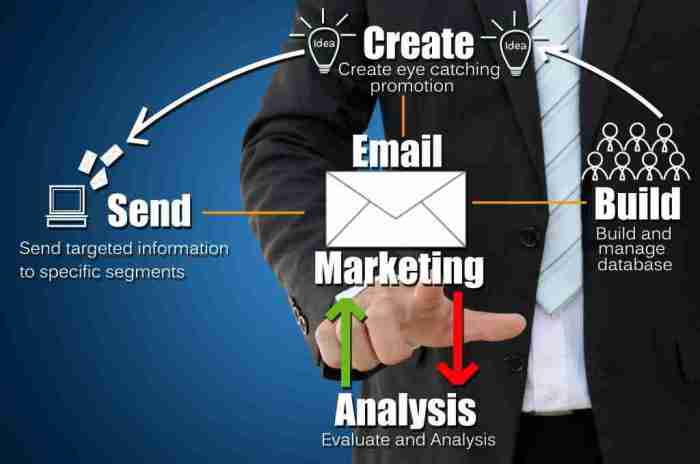
When it comes to crafting effective marketing emails, there are several key elements that can make a significant impact on the success of your campaign. From the subject line to the call-to-action buttons and mobile responsiveness, each component plays a crucial role in engaging your audience and driving conversions.
Importance of Subject Lines and Creating Compelling Ones
The subject line is the first thing recipients see when they receive your email, making it a critical element in capturing their attention and enticing them to open the email. A compelling subject line should be concise, relevant, and pique curiosity to encourage recipients to click through. Personalization, urgency, and relevance to the content inside the email are key factors in creating a compelling subject line that drives engagement.
Significance of Call-to-Action (CTA) Buttons and Their Placement
CTA buttons are essential for guiding recipients towards the desired action, whether it’s making a purchase, signing up for a webinar, or downloading a resource. The placement of CTA buttons within the email is crucial for visibility and engagement. They should be strategically placed, visually appealing, and clearly labeled to prompt recipients to take action without confusion.
Best Practices for Designing Mobile-Responsive Emails
- Use a responsive design that adapts to different screen sizes and devices to ensure optimal viewing experience for mobile users.
- Keep the email layout simple and easy to navigate, avoiding clutter and excessive text that may be hard to read on smaller screens.
- Optimize images for quick loading times and ensure they are displayed correctly on mobile devices.
- Test your emails on various devices and email clients to ensure they render correctly and are easy to interact with on mobile.
Email List Building Strategies
In the world of email marketing, building a strong and engaged email list is crucial for the success of your campaigns. Let’s explore some effective strategies for growing your email list organically.
Utilizing Lead Magnets
One popular method for attracting subscribers to your email list is by offering lead magnets. These are valuable resources or incentives that you provide to your audience in exchange for their email address. Lead magnets can come in various forms such as ebooks, whitepapers, checklists, or exclusive discounts. By offering something of value, you can entice visitors to sign up for your email list.
- Create compelling and relevant lead magnets that address the pain points of your target audience.
- Promote your lead magnets across your website, social media channels, and other marketing platforms to attract more subscribers.
- Make sure to deliver on the promise of your lead magnet to build trust with your subscribers.
Implementing Double Opt-In
Double opt-in is a process where subscribers are required to confirm their subscription twice before being added to your email list. This extra step helps ensure that subscribers are genuinely interested in receiving your emails, leading to a more engaged and responsive audience.
By implementing double opt-in, you can reduce the chances of fake or inactive email addresses on your list, improving the overall deliverability and engagement rates of your campaigns.
Maintaining a Clean and Engaged Email List
It’s essential to regularly clean and maintain your email list to keep it healthy and engaged. Here are some tips to help you manage your email list effectively:
- Remove inactive subscribers periodically to improve your email deliverability rates.
- Segment your email list based on user behavior and preferences to send targeted and personalized campaigns.
- Encourage engagement by sending relevant content, conducting surveys, or running interactive campaigns.
Email Automation and Personalization
Email automation refers to the use of technology to automate the process of sending emails to customers or subscribers based on specific triggers or schedules. This automation streamlines marketing efforts by allowing businesses to send targeted and timely messages without manual intervention.Personalization plays a crucial role in email marketing as it helps to create a more tailored and relevant experience for recipients.
By personalizing email content and subject lines, businesses can increase engagement, build customer loyalty, and drive conversions.
The Importance of Personalization in Email Content and Subject Lines
- Personalization helps to grab the recipient’s attention and make them feel valued.
- Customized content based on recipient preferences or past interactions can lead to higher open and click-through rates.
- Personalized subject lines have been shown to increase email open rates significantly.
- By segmenting your email list and sending targeted messages, you can improve the overall effectiveness of your email campaigns.
The Role of Dynamic Content in Email Campaigns
Dynamic content allows for real-time personalization of emails based on recipient behavior, preferences, or demographics. This feature enables businesses to create highly relevant and targeted messages that resonate with individual recipients, leading to higher engagement and conversion rates.Examples of effective automated email sequences in marketing include welcome emails, abandoned cart reminders, product recommendations based on past purchases, personalized birthday or anniversary emails, and re-engagement campaigns for dormant subscribers.
These automated sequences help businesses nurture leads, drive sales, and build stronger relationships with customers over time.
DIGITAL MARKETING
Digital marketing refers to the use of digital channels, platforms, and technologies to promote products or services to consumers. In today’s fast-paced business landscape, digital marketing has become a crucial component of any successful marketing strategy. It has evolved significantly over the years, incorporating various online tools and techniques to reach and engage target audiences effectively.
Overview of Digital Marketing
Digital marketing encompasses a wide range of channels and strategies, including search engine optimization (), social media marketing, content marketing, email marketing, and pay-per-click advertising. These channels allow businesses to connect with their customers in real-time, create personalized experiences, and measure the effectiveness of their campaigns more accurately.
- Search Engine Optimization (): Optimizing websites to rank higher in search engine results pages, increasing organic traffic and visibility.
- Social Media Marketing: Leveraging social media platforms to build brand awareness, engage with customers, and drive website traffic.
- Content Marketing: Creating and distributing valuable content to attract and retain a target audience, ultimately driving profitable customer action.
- Email Marketing: Sending targeted emails to prospects and customers to nurture leads, promote products, and build brand loyalty.
- Pay-Per-Click Advertising: Placing ads on search engines and websites, paying only when a user clicks on the ad, increasing visibility and driving traffic.
Digital marketing offers several advantages over traditional marketing methods, including real-time results tracking, cost-effectiveness, global reach, and better targeting capabilities.
Examples of Successful Digital Marketing Campaigns
1. Nike’s “Just Do It” Campaign
Nike’s powerful digital marketing campaign combined with influencer partnerships and user-generated content to engage customers and increase brand loyalty.
2. Coca-Cola’s “Share a Coke” Campaign
Coca-Cola’s personalized marketing approach, using customer names on product labels, led to a significant increase in sales and social media engagement.
3. Airbnb’s Instagram Campaign
Airbnb leveraged user-generated content on Instagram to showcase unique travel experiences, increasing brand awareness and customer engagement.
Content Marketing in the Digital Space
Content marketing plays a crucial role in digital strategies by providing valuable and relevant content to attract and engage target audiences. Through content creation, businesses can drive engagement, establish thought leadership, and generate leads effectively.
The Role of in Content Marketing
Search Engine Optimization () is essential in content marketing as it helps improve the visibility of content on search engines. By optimizing content with relevant s, meta tags, and quality backlinks, businesses can increase their online presence and reach a wider audience.
- Conduct research to identify relevant s for your industry and target audience.
- Optimize meta tags, including title tags, meta descriptions, and headers, to improve search engine rankings.
- Create high-quality content that provides value to readers and encourages engagement.
- Build quality backlinks from reputable websites to improve the authority and credibility of your content.
Creating a Content Calendar for Digital Marketing Campaigns
Developing a content calendar is crucial for planning and organizing content creation efforts in digital marketing campaigns. By creating a schedule for content publication, businesses can ensure consistency, relevancy, and alignment with overall marketing goals.
- Define your content marketing goals and objectives to align with business objectives.
- Identify key topics and themes based on target audience interests and needs.
- Plan content distribution across different channels, such as social media, email, and blog posts.
- Establish a timeline for content creation, review, and publication to maintain consistency and quality.
In conclusion, mastering the art of email marketing best practices is not just about sending emails—it’s about building relationships, driving conversions, and fostering brand loyalty. Implement these strategies wisely, and watch your business soar to new heights in the digital realm.
Key Questions Answered
How can I improve email open rates?
To improve email open rates, focus on creating compelling subject lines, segmenting your audience for targeted content, and personalizing your emails to make them more relevant to recipients.
What are some common mistakes to avoid in email marketing?
Avoid sending too many emails, neglecting mobile responsiveness, using generic content, and overlooking the importance of audience segmentation in email marketing campaigns.
Why is personalization important in email marketing?
Personalization in email marketing helps build stronger connections with your audience, increases engagement levels, and boosts the chances of conversions by delivering content tailored to individual preferences.